True justice and equality can only be achieved when both society and law tackle the difficulties of marginalised groups by intersecting their identities.
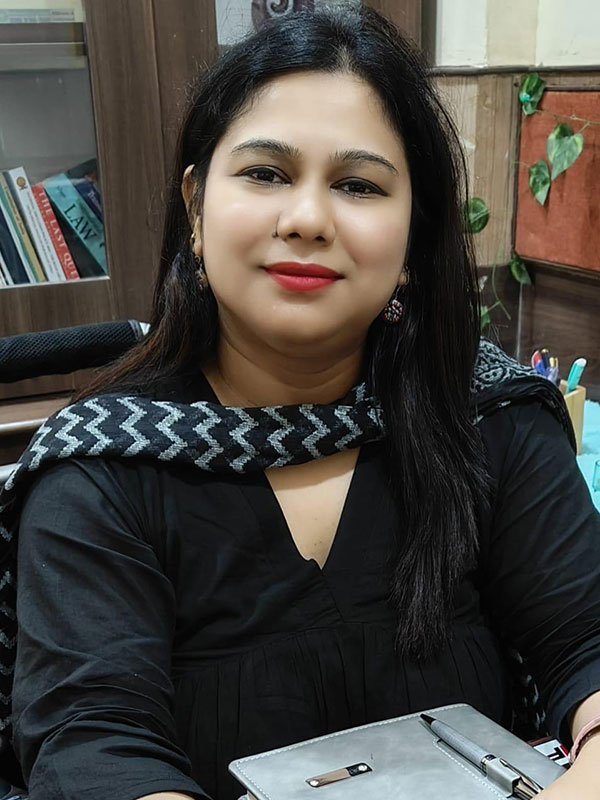
Dr Tanwi Shams
Assistant Professor of Law and Director, Centre for Disability Law & Advocacy, National Law University, Odisha
The way we imagine discrimination or disempowerment often is more complicated for people who are subjected to multiple forms of exclusion. The good news is that intersectionality provides us a way to see it.
-Kimberlé Crenshaw
The term intersectionality was coined by Kimberlé Crenshaw, a legal scholar and a civil rights activist. She introduced the concept of intersectionality to identify how different axes of discrimination such as sex, caste, race and disability intersects with one another and effects the marginalized groups. Moreover, these disadvantageous or marginalized groups faces a unique form of discrimination, these effects are not merely double but compounded. Intersectionality is a theoretical way through which we can understand how different dimensions of discrimination such as sex, caste, race, gender and disability combine or intersect with each other and with what kind of experiences are encountered by individuals who undergo such compounded forms of discrimination, and how these experiences shape their lives? It also helps to address that people of marginalized sections do not face discrimination in just one way, but through the combination of various identities.
During the 1980s and early 1990s, the Black feminist scholar activist developed a theoretical framework to address the experiences of marginalized individuals who were facing oppression on the basis of colour and gender. Therefore, Intersectionality originally developed during the black feminism in the late 20th century. Kimberley Crenshaw introduced the concept of “intersectionality” in her 1991 piece titled ‘mapping the Margins: Intersectionality, identity politics and violence against women of colour.’ Focusing on the experiences of the black women in cases of domestic violence and rape, she argued that black women face unique and aggravated forms of discrimination. They did not face marginalisation, discrimination or violence because of their race or sex, but because of the intersections of both race and sex. From this stage, Intersectionality therefore, recognized as an important concept to understand the intersections of different identities.
Critically observing the society reveals that discrimination or marginalisation is persisting everywhere. It continues to exist on the basis of race, caste, gender, disability and other identities. These grounds of discrimination cannot be examined adequately or in isolation because these forms intersect and overlap with one another and creates unique form of discrimination which further deepens the marginalization of the individuals. This unfair treatment happens not just in the nations but across the world. Likewise the societies around the world, India struggled from the ages with social inequalities and even in the 21st century many communities are still subjected to various forms of discrimination. Among all these inequalities Caste based inequality and Gender inequality has plays the most significant role. When caste intersects with other identities such as gender and disability then the effect of multiple marginalization can be seen and a vulnerable situation for the individuals will arise. Caste system and gender inequality are deeply interconnected, it means that women from lower castes faced aggravated form of discrimination. First, gender based discrimination and second, caste based discrimination.
To highlight such aggravated form of discrimination there are numerous real example cases, one of them is Hathras rape and murder case. In the 21st century, this case marked a new phase in the history of rape-as-caste atrocity. In this case four dominant caste men gang-raped a lower caste girl before trying to kill her. There was another horrific incident that once again exposes the brutal violence against Dalit woman was alleged gang-raped by five men in district Sindhi Churhat forest. This barbaric incident comes at a time when the Madhya Pradesh government, in response to a question in the state assembly by Congress MLA Arif Masood, revealed chilling statistics on crimes against women from Scheduled Castes and Scheduled Tribes. Between 2022 and 2024, 7,418 rape cases were registered against Dalit and Adivasi women in the state an average of seven such rapes every single day. During the same period, 338 gang-rapes and 558 murders of SC/ST women were reported. Dalits and Adivasis form nearly 38% of the state’s population.
In India Context, on the basis of caste, class and gender, majorly Dalit women are the victims of triple violence. As per the National Census of 2011, the population of Dalit women in India is 9.79 crore out total female population of India which is 58.7 crore. The rich and affluent people of so called “upper castes” oppressed the Dalit women because of their caste identity. Dalit women face patriarchal oppression even from their own community’s men for being a women. They also face mistreatment from the upper caste and wealthy people, which makes their situation even more vulnerable in the society. As per the National Crime Records Bureau (NCRB) data of 2019, 10 Dalit women and minor girls are raped in India every day.
In the context of transgender identity, the forms of vulnerability and discrimination encountered by the trans and intersex community are distinct and deeply layered.transgender individuals often face intersecting marginalization on the grounds of both caste and gender identity. They may experience exclusion and prejudice from upper-caste transgender persons due to their caste background, while simultaneously being subjected to discrimination within the Dalit community because of their gender identity. This dual marginalization places in an especially vulnerable social position. Paradoxically, even feminists activists, who have long advocated for gender equality, have not paid little attention to the discrimination faced by transgender individuals. This raises the critical question of whether transgender persons have been excluded from such movements merely because they are not biologically female, and whether this exclusion explains why their rights have historically received minimal advocacy. And when such discrimination intersects with disabilities, individuals subjected to far harsher conditions, compounded disadvantages, and more severe lived experiences.
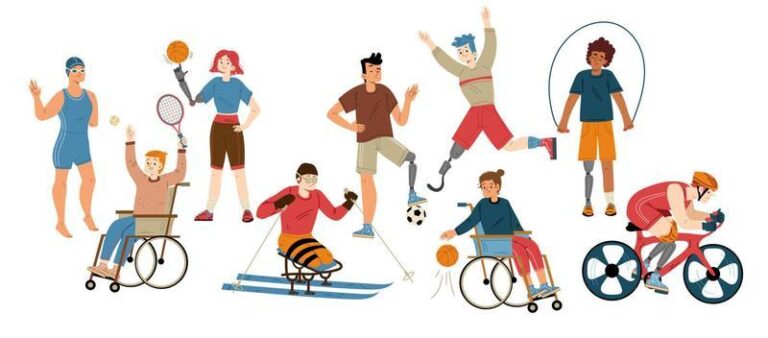
While society often view disability as a barrier there are many inspiring individuals who proved that disability never limit the potential of those who have dedication and strength. Despite, facing the physical and social challenges and discrimination. They proved that disability is not a hindrance for them but ability which teaches them how to excel in different fields such as education, sports and art and science. For instance, Sheetal Devi, 18-year-old from Jammu and Kashmir created history after becoming the first ever armless woman archer to win the world Para Championship gold. Another example, Simran Sharma won gold in the women’s 100 m T12 in world Para Athletics Championship 2025, who suffered from visual impairment since infancy. Despite, the fact that they proved their potential, they still faces the discrimination on the basis of gender, caste and disability in the society. When a woman is disabled she not only subjected discrimination because of her disability and but also for being a woman.
In India, however, Disability is often not studied or addressed through an inter-sectional framework. Persons with disabilities remain one of the most neglected sections of the society, facing discrimination and stigma and lack of access to basic rights. Disability and Caste, gender are usually not discussed together in India, but when they intersect with each other it leads to multiple difficulties for the people who suffered firstly because of their caste or gender and secondly due to their disability. In other words, these marginalized individuals are encounter with compounded forms of marginalisation. The marginalisation of women with disabilities often originates within the familial domain. They are mostly made to feel neglected, their voices and needs are less valued than those of other family members. In Indian society, it is often observed that, men-whether disabled or non-disabled-generally expected to have a ‘normal wife’, it reflects the patriarchal expectations and the privilege of male desire in marital arrangements. On the other side, women with disabilities are often subjected to stigma, solely because of their disability. Disability framed as a barrier to marital eligibility for them. It reflects the double standards of the societal basis and creates a double burden of gender bias and disability bias.
In the Indian context, persons with disabilities continue to face discrimination in numerous and structural barriers that hinder their participation in society. They are often subject to neglect isolation, stigma, and deprivation of basic rights and opportunities. Women with disabilities experience these challenges more intensely, as they are encountered with multiple marginalisation on account of their gender identity and disability. Societal attitudes often consider them as dependent or incapable individuals, which restricts their access to education, employment, healthcare, and even marriage, reinforcing their exclusion and vulnerability. Disabled women in India, faces a unique set of challenges in daily life. They encountered with distinct set of challenges in the field of employment and job opportunities. Many disabled women are denied equal access to education, employment and job skills, which limits their chances of securing jobs and employment in their future. Many employers do not want to hire a disabled woman because they wrongly believe that disabled women are incapable to do work properly even if they are qualified. Those who are employed (disabled women) frequently encounter bias and unfair treatment or even harassment from superiors.
This marginalization or exclusion becomes even worsen in caste oppressed communities who are already struggling to gain basic resources for survival and to improve the living conditions. Among the total disabled population in India, Schedule Caste (“SC”) persons with disabilities were 49,27,433 and Schedule Tribe (“ST”) persons with disabilities are 21,40,763 according to recent data from 2018. A disabled woman or a disabled Dalit woman might not be treated equally or fairly as compared to the other disabled man or woman who belongs to upper caste. Persons with disability also face “negligence and deprivation because of the attitude that they are not able to perform and contribute to social development.” Nilika Mehrotra’s study on access to employment, importantly stated that women with disabilities from Dalit communities “suffer multiple marginalities owing not only to their caste but also gender and certain nature of disability”.
In India, disabled Dalit women or other lower caste women are often subjected to violence and sexual harassment. There are number of real-life incidents of violence or sexual harassment against the disabled Dalit women. For instance, in Vizianagaram district of Andhra Pradesh, a 21-year-old disabled Dalit woman was allegedly rape by an auto-rickshaw driver when she was on her way to her sister’s house. This case highlighting the vulnerability faced by the woman at the intersection of caste and disability.
These are provisions in the Indian Constitution and under different acts which provide protection to people who faced discrimination or injustice on the basis of caste, gender, sex, disability etc.
For instance, Article 14 of Indian Constitution provides that no person shall be denied equality before the law or equal protection of law by the state within a territory of India. Article 15 prohibits the discrimination on the basis of religion, race, caste, sex, place of birth by the state. Similarly Article 16 of the Indian Constitution provides the equal opportunity for all in respect of employment without discrimination on the basis of religion, race, caste, sex, descent, place of birth and residence. Article 17 of the Indian Constitution states that,“Untouchability is abolished and its practice in any form is forbidden. The enforcement of any disability arising out of untouchability shall be an offence punishable in accordance with the law.”
In the case of Suchita Shrivastava vs. Chandigarh Administration, A woman had become pregnant as a result of an alleged rape that took place while she was an inmate at a government run welfare institute located in Chandigarh, which is the respondent in this case, had approached the High court seeking approval for the termination of her pregnancy, keeping in mind that in addition to being mentally retarded she was also orphan who did not have any parent or guardian to look after her or her perspective child. The High court directed the termination of the pregnancy inspite of Expert Body’s findings which show that the victim had expressed her willingness to bear a child. In an appeal to Supreme court, S.C. stresses that women’s mental condition did not made her entirely incapable of decision making. The S.C. emphasized upon the personal autonomy of person with intellectual disabilities in the decision making processes. The S.C set aside the decision of high court and held that termination of pregnancy without her consent was a violation of her rights.
It is recommended that there should be a specific Law which address the Discrimination on the basis of caste, gender and disability using an inter-sectional approach and implementation of these laws are very crucial. There should be awareness among people that how intersection of caste, gender and disability worsen the life of those who faced them modules on intersectionality included in the schools and colleges too increase awareness on this issue. There should be a separate budget allotted for these people who faced discrimination in the society due to intersection of caste, gender and disability. To understand the difficulties faced by people due to their disability, gender and caste there is a need of proper data collection and research.
Conclusion:
To conclude with, we can say that intersection of caste, gender and disability reveals that how discrimination overlaps and deeply rooted in the Indian society and how it leads to vulnerability. While there are laws to address discrimination on the basis of gender, caste and disability but there are many loopholes in these laws which should be addressed. While examining the inter-sectional discrimination it reveals that the discrimination with SC\ST become more complex when the persons were women and transgender or had a disability and how that experience was different. To formulate welfare programmes and policy reforms there is a need to understand the social and economic demographics of vulnerable groups. True justice and equality can only be achieved when both society and law tackle the difficulties of marginalised groups by intersecting their identities.