
Blood Disorders: India and the Global Scenario

India mirrors many global trends in blood disorders but faces unique challenges related to awareness, infrastructure, and socio-cultural barriers.
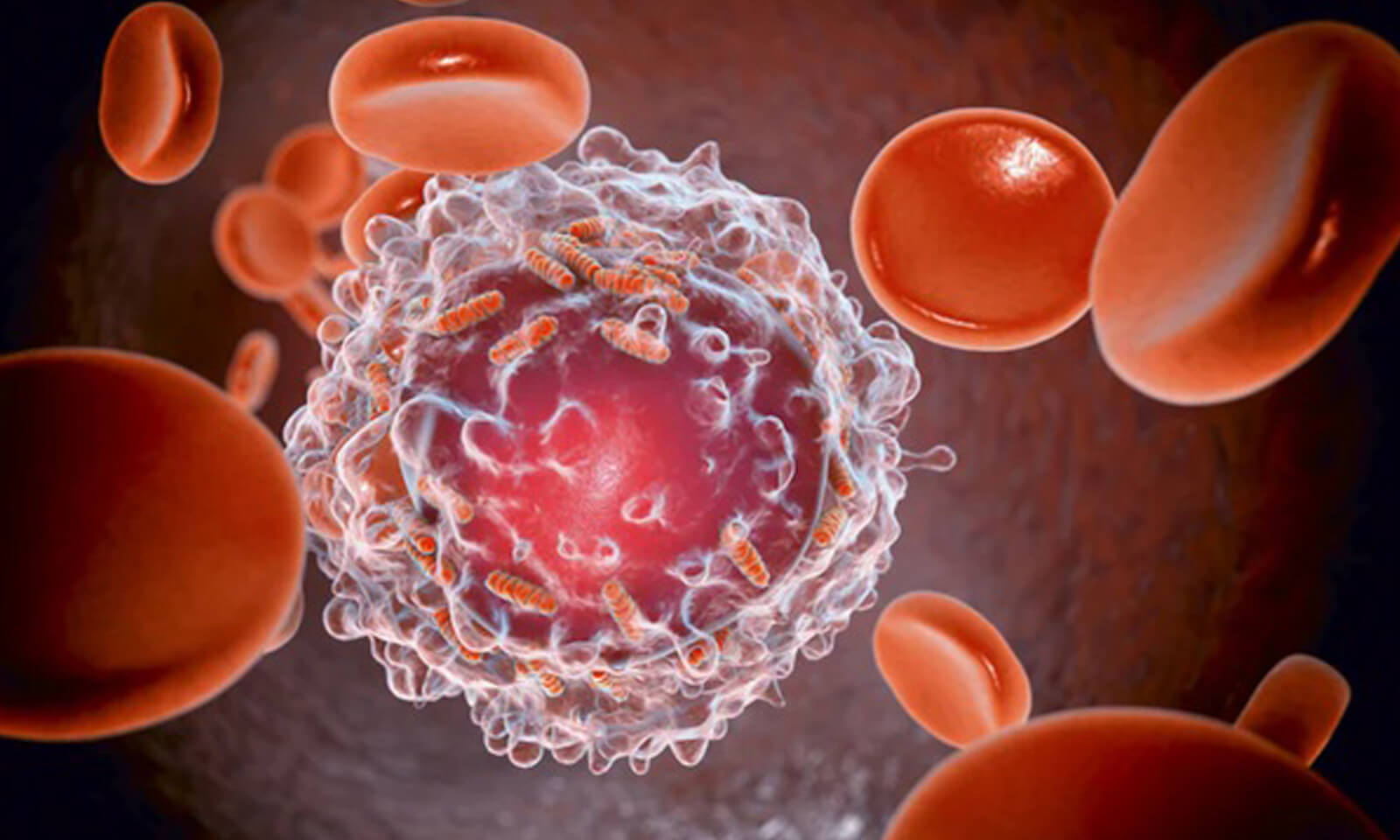
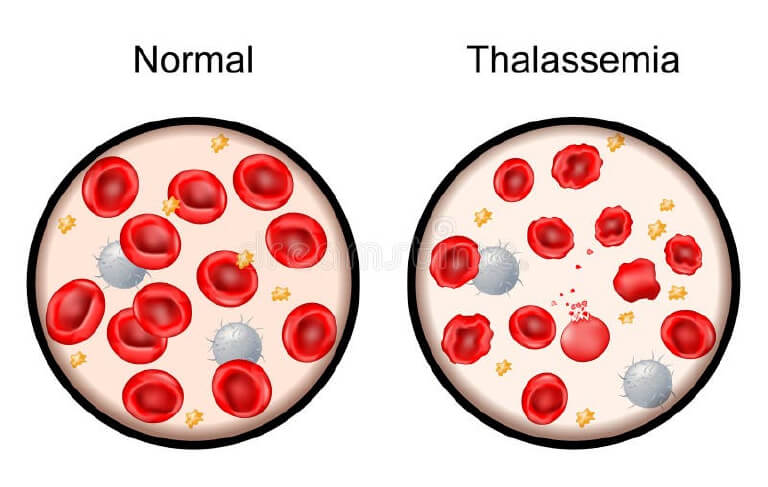
Blood is a vital, living tissue composed of liquid and solid components. The liquid portion, known as plasma, consists mainly of water, salts, and proteins, making up more than half of the blood’s volume. The solid part includes red blood cells, white blood cells, and platelets—each playing a crucial role in the body’s functioning.

Blood disorders are conditions that affect one or more components of the blood, impairing its ability to perform essential functions. These disorders can be acute (short-term) or chronic (long-term), and many are inherited. Others may result from diseases, medication side effects, or nutritional deficiencies.

Major Types of Blood Disorders

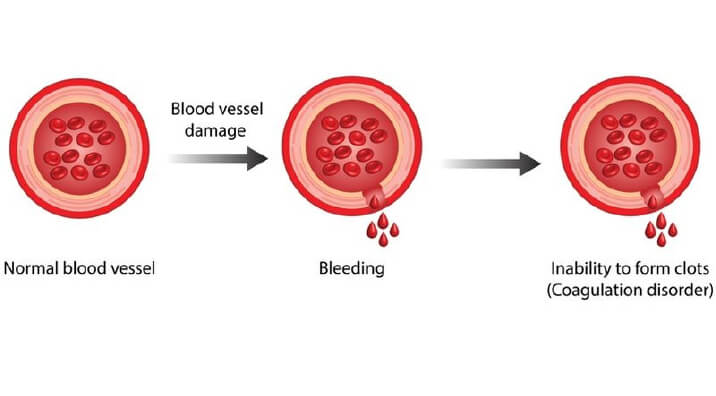
  • Platelet Disorders, Bleeding, and Clotting Issues: Conditions that impact blood’s ability to clot properly, leading to excessive bleeding or unwanted clot formation.
  • Anemia: Occurs when the blood doesn’t carry enough oxygen to tissues and organs, often due to low red blood cell count or hemoglobin levels.
  • Blood Cancers: Includes conditions like leukemia and myeloma, which affect blood cell production and immune function.
  • Eosinophilic Disorders: Affect specific white blood cells (eosinophils), potentially leading to inflammation or allergic reactions.

Overview of Inherited Blood Disorders

Inherited blood disorders are genetic conditions passed from parents to children, often affecting blood cells or clotting mechanisms.

The most common inherited disorders include:

Thalassemia: A genetic disorder where the body produces abnormal hemoglobin, leading to severe anemia.
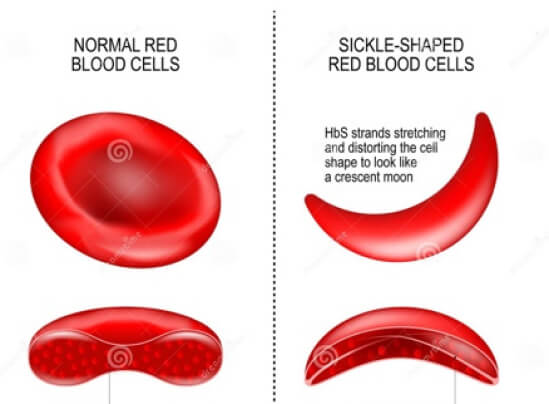
Sickle Cell Disease (SCD): Red blood cells become crescent-shaped, causing blockages in blood flow, pain, and organ damage.
Hemophilia: A rare disorder where the blood doesn’t clot properly due to missing clotting factors, leading to prolonged bleeding.
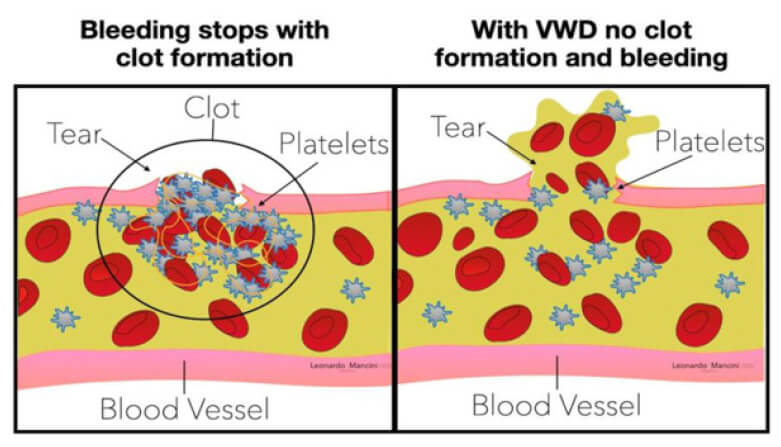
Von Willebrand Disease: A bleeding disorder caused by a deficiency or malfunction of the von Willebrand factor, a protein crucial for blood clotting.

Global Scenario

Prevalence

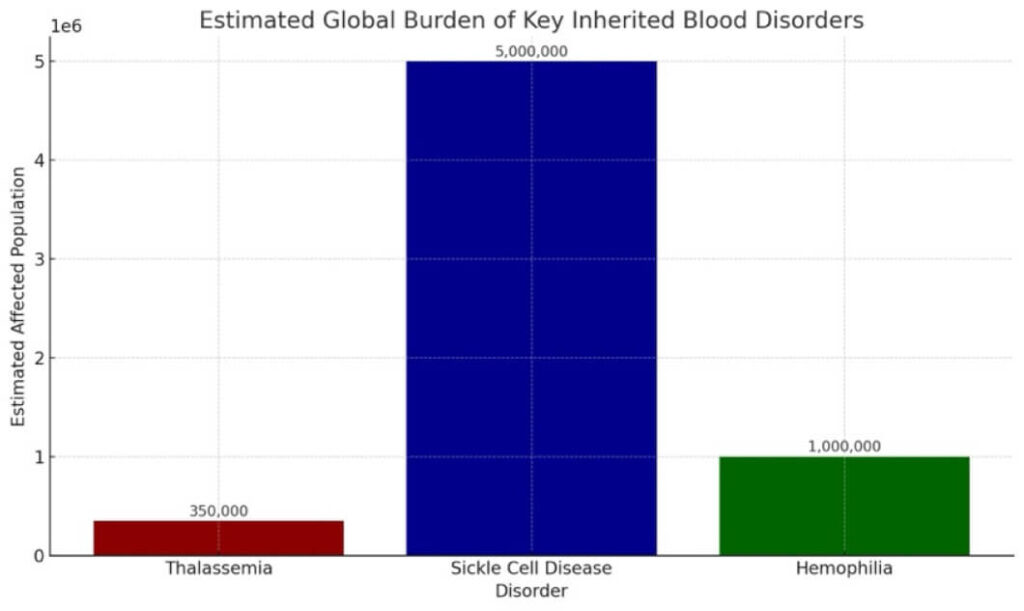
  • Thalassemia: Over 270 million carriers globally; 300,000–400,000 babies born each year with severe forms (WHO).
  • Sickle Cell Disease: Most prevalent in sub-Saharan Africa, Middle East, India, and Central America.
  • Hemophilia: Affects ~1 in 10,000 people globally, but nearly 75% of people with bleeding disorders remain undiagnosed.

Global Challenges

• In many low-income countries, blood disorders are underdiagnosed and poorly treated.
• Stigma and lack of awareness prevent early detection and management.
• Access to safe blood transfusions and clotting factor concentrates is limited in developing regions.

Global Efforts

  • WHO and the World Federation of Hemophilia (WFH) promote treatment access and national registries.
  • Countries like the UK and Italy have successful screening programs and lifelong management for thalassemia and hemophilia.
  • New therapies such as gene editing (CRISPR) and bone marrow transplants are showing promise.

India’s Scenario

Prevalence

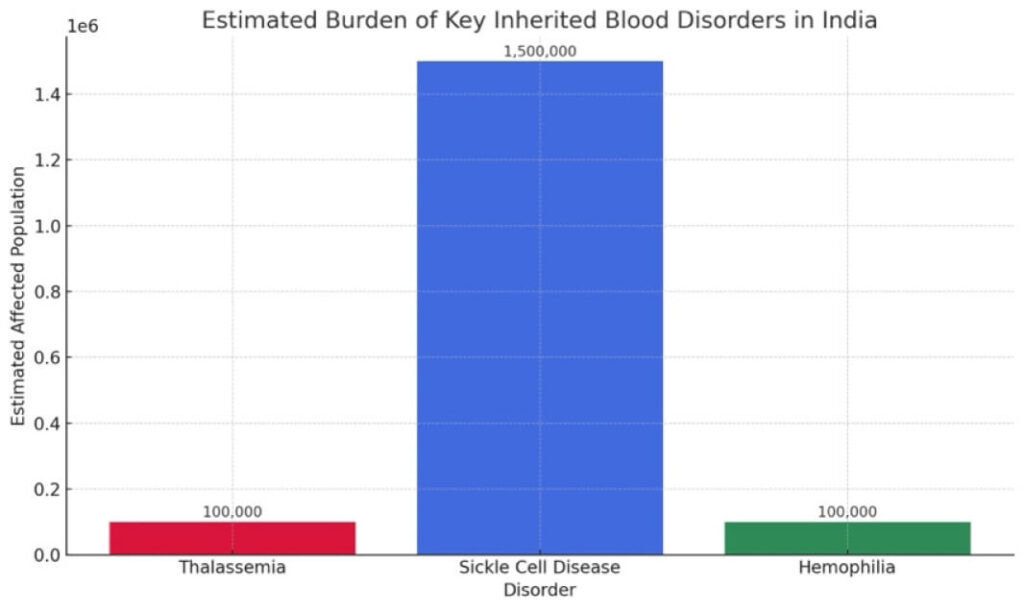
  • Thalassemia: Estimated 100,000 patients with transfusion-dependent thalassemia; ~42 million carriers.
  • Sickle Cell Disease: High prevalence in tribal populations in Odisha, Chhattisgarh, Maharashtra, Gujarat, and Madhya Pradesh.
  • Hemophilia: Around 20,000 diagnosed cases, but experts estimate over 100,000 undiagnosed.

Key Challenges

  • Low Awareness: Most people are unaware of carrier status until affected children are born.
  • Stigma: Social discrimination affects marriage prospects, education, and employment.
  • Access Gaps: Rural and tribal areas lack diagnostic centers and regular transfusion facilities.
  • Financial Burden: Treatment is lifelong and expensive; public support is limited.

Efforts in India

  • Government Programs:
    • National Health Mission and Sickle Cell Mission target tribal regions.
    • States like Gujarat, Odisha, and Maharashtra offer free drugs like hydroxyurea and chelation therapy.
  • NGO Role:
    • Thalassemics India, Cure2Children, and Hemophilia Federation India offer support, education, and advocacy.
  • Screening Initiatives:
    • Gujarat and Odisha have implemented mass screening programs in tribal areas.
    • Prenatal diagnosis is available in urban centers but remains rare elsewhere.

Comparative Insights:

AspectGlobal (Developed Nations)India
AwarenessHigh among general populationLow to moderate, especially rural
Screening ProgramsWidespread, mandatory in placesLimited to select states
Healthcare AccessUniversal healthcare aids treatmentFragmented, urban-focused
StigmaMinimal due to awarenessSignificant in rural areas
Advanced TherapiesAvailable (e.g., gene therapy)Rare and unaffordable
Policy SupportStrong, consistentImproving, but inconsistent

Recommendations

  • Universal Screening: Mandate premarital and prenatal screening, especially in high-prevalence regions.
  • Health Education: Launch nationwide campaigns to debunk myths and reduce stigma.
  • Strengthen Rural Infrastructure: Ensure every district hospital can screen and treat blood disorders.
  • Research and Data Collection: Create national registries and support clinical research in Indian contexts.
  • Subsidize Treatment: Offer financial support and insurance coverage for long-term care.

Conclusion

India mirrors many global trends in blood disorders but faces unique challenges related to awareness, infrastructure, and socio-cultural barriers. While international efforts are moving toward cures and advanced therapies, India must first focus on early diagnosis, awareness, equitable access, and social support to bridge the gap. Collaboration between government, civil society, and medical institutions is crucial to address both the medical and social aspects of these lifelong conditions.
Dr Sruti Mohapatra

Dr. Sruti Mohapatra
2021 Nari Shakti Purashkar by President of India
TEDx Speaker (5+) and Winner of 77+ awards
Founder and CEO, Swabhiman, Bhubaneswar
Vice Chair, Disabled People’s International-India, Consultative Status UN

Share the post

Leave a Reply

Your email address will not be published. Required fields are marked *

ଓଟିଟି ପ୍ଲାଟ୍‌ଫର୍ମଗୁଡ଼ିକୁ ଆକ୍ସେସେବୁଲ ବୈଶିଷ୍ଟ୍ୟଯୁକ୍ତ କରିବାକୁ ଦିଲ୍ଲୀ ହାଇକୋର୍ଟର ନିର୍ଦ୍ଧେଶ

ଦିଲ୍ଲୀ ହାଇକୋର୍ଟର ମାନ୍ୟବର ବିଚାରପତି ସଚିନ ଦତ୍ତ ଆବେଦନକାରୀ ଅକ୍ଷତ ବାଲ୍‌ଦୁଆଙ୍କ ଏକ ଆବେଦନକୁ ଶୁଣାଣି କରି ଏ ଦିଗରେ ଏକ ସମ୍ପୂର୍ଣ୍ଣ ସ୍ପଷ୍ଟ ମାର୍ଗଦର୍ଶିକା ଜାରି କରିବା ପାଇଁ ନିର୍ଦ୍ଧେଶ ପ୍ରଦାନ କରିଛନ୍ତି...

ଗୁରୁତର ଭିନ୍ନକ୍ଷମଙ୍କୁ କେୟାରଗିଭର୍ ସହାୟତା ସ୍କିମ୍‌ରେ ଅନ୍ତର୍ଭୁକ୍ତି ପାଇଁ ଦିଲ୍ଲୀ ସରକାରଙ୍କ ଯୋଜନା

ଶାରୀରିକ ଗତିଶୀଳତା ହରାଇଥିବା ଅଥବା ସମସ୍ୟା ରହିଥିବା ଗୁରୁତର ଭିନ୍ନକ୍ଷମମାନଙ୍କୁ କେୟାରଗିଭର୍‌ର ସେବା ନେବା ନିମନ୍ତେ ଆର୍ଥିକ ସହାୟତା ପ୍ରଦାନ କରିବା ପାଇଁ ଦିଲ୍ଲୀ ସରକାରଙ୍କ ଏକ ଯୋଜନା ପ୍ରସ୍ତାବିତ ରହିଛି । ଦିଲ୍ଲୀର...

ସମସ୍ତ ସର୍ବସାଧାରଣ ପ୍ରତିଷ୍ଠାନରେ ଭିନ୍ନକ୍ଷମଙ୍କ ପାଇଁ ସୁଗମ୍ୟତା ସୁନିଶ୍ଚିତ କର – କେରଳ ହାଇକୋର୍ଟ

ମାନ୍ୟବର ଉଚ୍ଚ ନ୍ୟାୟାଳୟ ଗୁରୁତ୍ୱାରୋପ କରି କହିଛନ୍ତି ଯେ ଭିନ୍ନକ୍ଷମ ଆଇନ ଅନୁଯାୟୀ ସରକାର କେବେହେଲେ ନିଜ ଦାୟିତ୍ୱକୁ ପରିହାର କରିପାରିବେ ନାହିଁ । ଏହାର ସ୍ପଷ୍ଟୀକରଣ ଦେଇ ମାନ୍ୟବର କୋର୍ଟ କହିଛନ୍ତି ଯେ,...

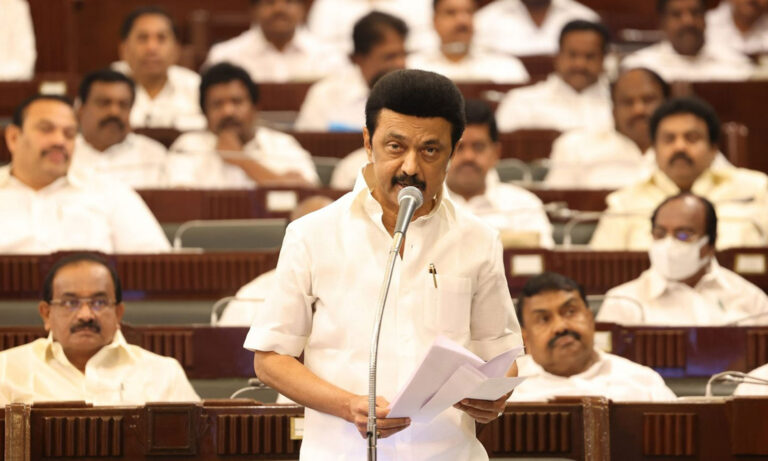
ଦିବ୍ୟାଙ୍ଗସମୂହଙ୍କ ରାଜନୈତିକ ପ୍ରତିନିଧିତ୍ଵ ସରଂକ୍ଷଣ ବିଲ ଉପସ୍ଥାପିତ କଲା ତାମିଲନାଡୁ ।

କେବଳ ଅନୁକମ୍ପା ଭିତ୍ତିରେ ନୁହେଁ, ବରଂ ସେମାନଙ୍କ ଅଧିକାର ଆଧାରରେ ଭିନ୍ନକ୍ଷମଙ୍କ କଲ୍ୟାଣ ପାଇଁ ଆମେ ଯୋଜନା ପ୍ରସ୍ତୁତ କରୁଛୁ । ଶ୍ରୀ ଷ୍ଟାଲିନ୍ କହିଛନ୍ତି ଯେ ପିଡବ୍ଲ୍ୟୁଡିମାନଙ୍କ ପାଇଁ ୪% ସଂରକ୍ଷଣ ମାଧ୍ୟମରେ...

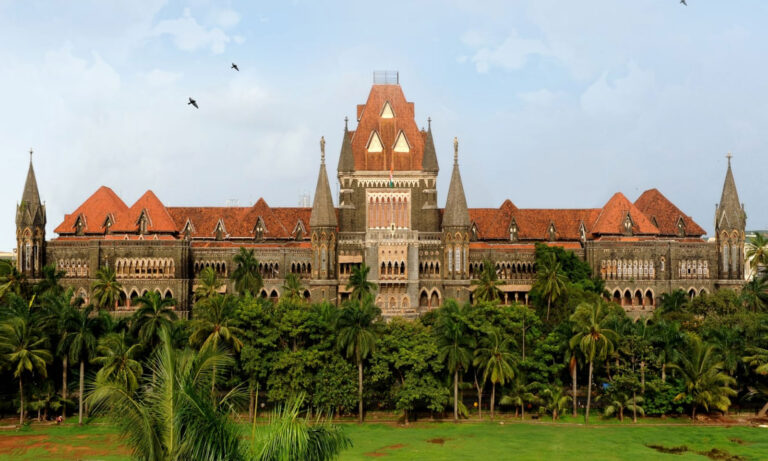
ବମ୍ବେ ହାଇକୋର୍ଟଙ୍କ ଗୁରୁତ୍ୱପୂର୍ଣ୍ଣ ରାୟ: ଦୁଇ ଭିନ୍ନକ୍ଷମ ପିଲାଙ୍କ ପିତାମାତା ତୃତୀୟ ସାଧାରଣ ସନ୍ତାନକୁ ପୋଷ୍ୟ ଭାବେ ଗ୍ରହଣ କରିପାରିବେ

କାରା (CARA) ଏହାର ୨୦୨୩ କାର୍ଯ୍ୟନିର୍ବାହୀ ଆଦେଶକୁ ପ୍ରୟୋଗ କରିଥିଲା ଯାହା ସମ୍ଭାବ୍ୟ ପୋଷ୍ୟ ପିତାମାତାଙ୍କର ପୂର୍ବରୁ ଦୁଇଟି ଜୈବିକ ସନ୍ତାନ ରହିଥିଲେ ଏକ ସାଧାରଣ ଶିଶୁକୁ ପୋଷ୍ୟ ସନ୍ତାନ ଗ୍ରହଣ କରିବାକୁ ପ୍ରତିବନ୍ଧକ...