Reconstructing the Self: Disability, Identity, and Social Reintegration in Olatpur
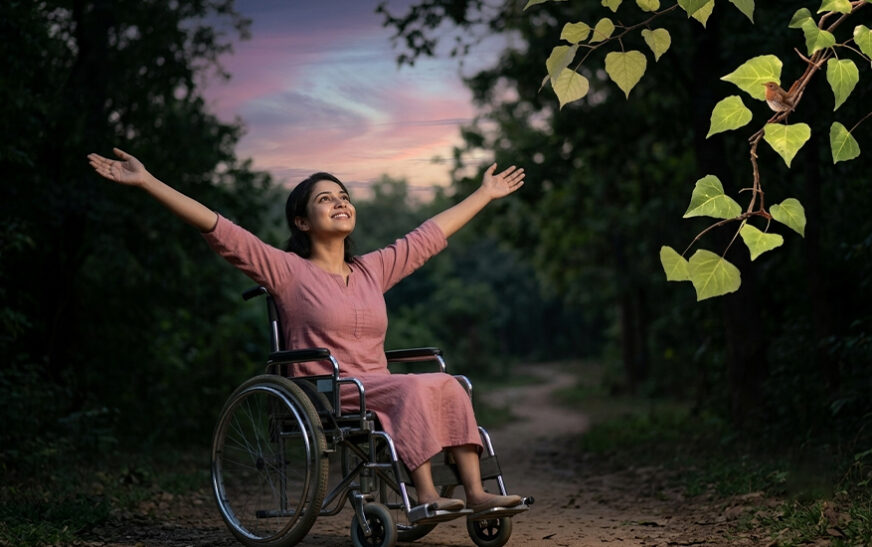
Olatpur leaves an indelible mark: a person is never defeated as long as they hold onto inner strength, community support, and the courage to forge a new identity from the ashes.
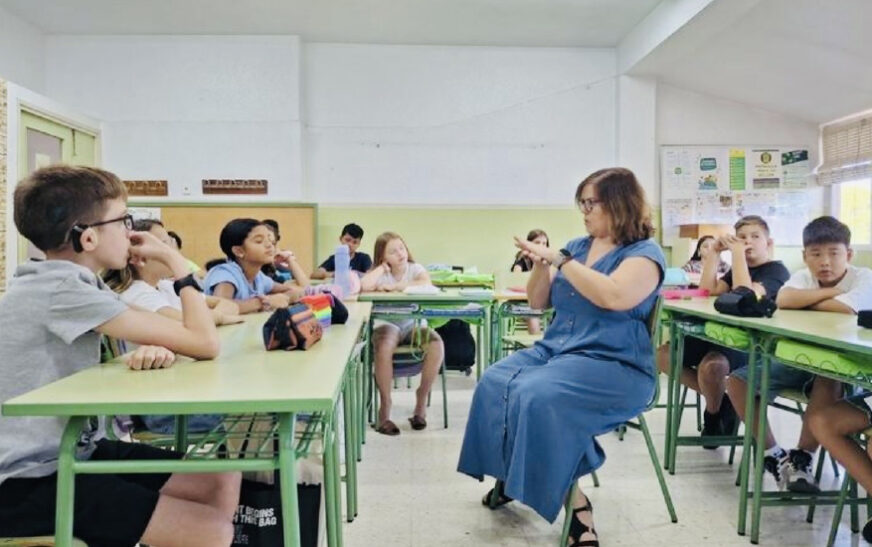
Beyond Barriers, Towards Belonging Education and Disability in the EU
The goal of inclusion is not to make every learner identical. The goal is to create an education system flexible enough to recognise that every learner is different — and every learner matters.
The American Special Education System: My Experience
Looking back, I realize that I did not simply care for those students. They became part of my understanding of nursing. They became my teachers and their lessons in patience, dignity, courage, compassion, and hope remain with me today.
Education and Disability in Odisha: Navigating Structural Barriers and the Quest for Inclusive Learning
Odisha’s journey toward true development cannot be complete until its lecture halls, libraries, and examination halls are opened wide to every student, ensuring that physical or visual limitations no longer dictate intellectual boundaries.
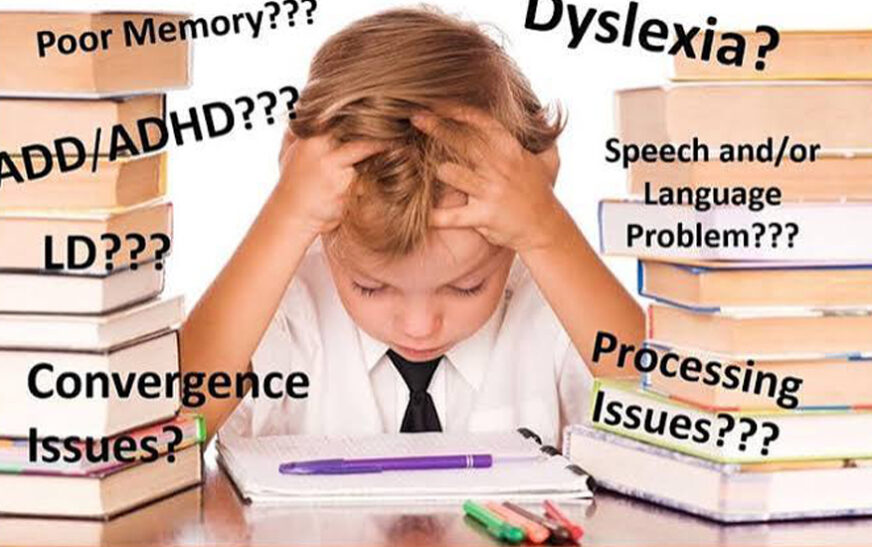
Education, Disability and Present Challenges
It makes education better for everyone. When we create a classroom where instructions are clear, visual, and auditory; where assessments are flexible; and where every child is valued - all children benefit.

Inclusion is a Design Problem – The Deaf Child who was never the Problem
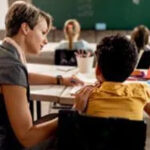
Disability, in that room, was not the problem to be managed around. It was one more form of difference that a classroom exists to help children learn about and live with.
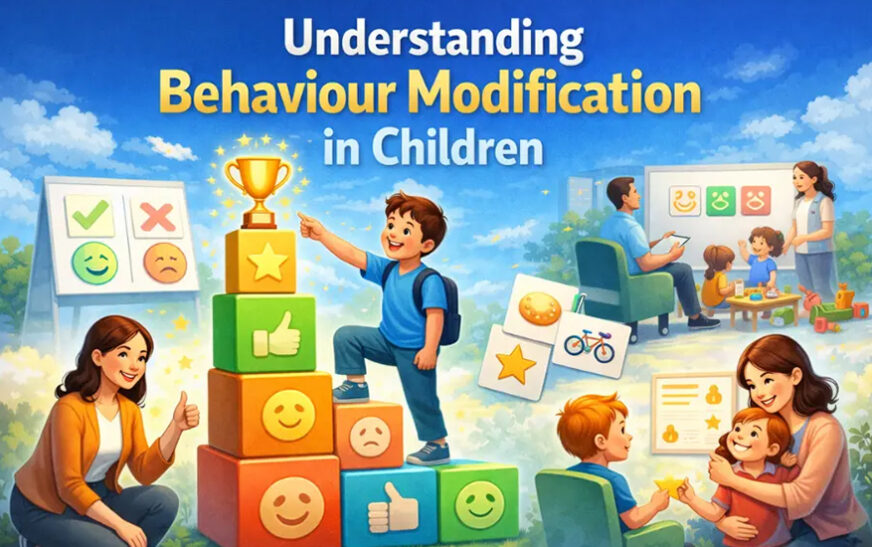
Behaviour Modification Techniques For The Management Of Problem Behaviours Shown By The Persons With Developmental Disabilities
It is important for parents, neighbors, and school teachers to observe the problem behaviours, make detailed notes of the types and frequency of problem behaviours and understand its dynamics.
Education Must Teach Us to Belong
Inclusion cannot be achieved by teaching children with disabilities separately and expecting society to become inclusive later. Children learn from one another. They learn friendship, cooperation, empathy and respect through everyday interaction.

Transactionality for Ensuring Inclusion: Responsive NEP
Transactionality plays a key role here, where the ongoing interaction leads to greater responsiveness and adaptability.
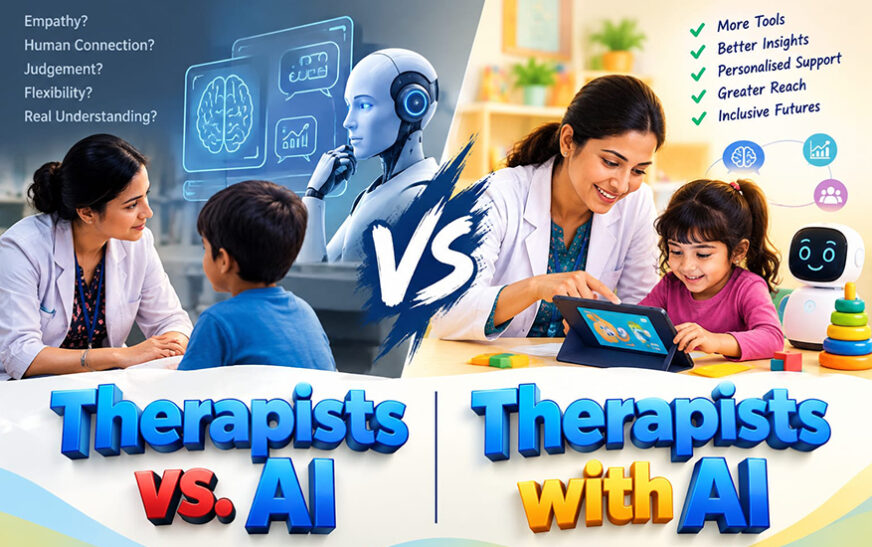
Therapists vs. AI and Therapists with AI
After some of America’s top AI executives have called for a slowdown in AI development, citing, among many things, the AI-divided world and the fear and threat of devastating cyberattacks by out-of-control agents, many tech giants, including Microsoft’s CEO Satya Nadella, suggest that AI should remain under human control. Similarly,