Introduction
India proudly calls itself the world’s largest democracy. Elections are celebrated as festivals of participation, with political parties mobilising millions across villages, towns, and cities. Yet one of India’s largest marginalized communities, persons with disabilities or Divyangs, continues to remain largely invisible in political leadership. Discussions around disability and democracy in India have focused mainly on welfare, pensions, assistive devices, and accessible voting. While these are important, they represent only one side of political inclusion. Democracy cannot be meaningful if persons with disabilities are encouraged to vote but are systematically excluded from becoming lawmakers, ministers, legislators, party leaders, and decision-makers (Sharma, Goyal & Usmani, 2025).
According to the Election Commission of India, nearly 88.4 lakh voters with disabilities were registered for the 2024 Lok Sabha elections, compared to around 62.63 lakh in 2019. Chief Election Commissioner Rajiv Kumar announced that accessible polling measures such as ramps, wheelchairs, transport support, and home voting facilities would be provided to disabled voters (NDTV, 2024). India recorded nearly 642 million votes during the 2024 general elections, making it one of the largest democratic exercises in human history (Reuters, 2024). Yet within this massive electoral process, persons with disabilities remained politically invisible beyond the role of voters.
In Odisha too, the contradiction between participation and representation is increasingly visible. Disability rights groups have repeatedly argued that while voter participation among Divyangs is improving, political representation remains negligible. In March 2024, The New Indian Express reported that despite growing electoral participation, persons with disabilities in Odisha continued to remain excluded from mainstream politics. Disability rights leader and irst blind OAS of icer from Odisha, Sanyas Behera, observed that political parties still largely see disabled persons as welfare beneiciaries rather than lawmakers or policymakers (The New Indian Express, 2024).
Disability and the Politics of Perception
The Narrative Around Disability The issue is not merely administrative. It is deeply connected to how Indian society imagines disability itself. The book Narrative Universes of Disability argues that disability is not simply a medical condition but a social and cultural experience shaped by institutions, public narratives, and systems of power (Sati, Das & Mahanta, 2025). The way society narrates disability inluences whether persons with disabilities are viewed as capable citizens or passive dependents.
In India, disability narratives have historically revolved around pity, charity, tragedy, or inspiration. Rarely are persons with disabilities represented as policymakers, administrators, political strategists, or chief ministers. Society celebrates disabled people when they overcome adversity in sports or arts, but becomes uncomfortable imagining them as parliamentarians or cabinet ministers (Sati, Das & Mahanta, 2025). The narrative framework becomes particularly relevant in politics. Institutions often reproduce ableist assumptions by controlling whose voices are considered legitimate in public life. Disabled people are rarely portrayed as experts on economics, law, governance, agriculture, or foreign policy. Instead, they are expected to speak only about disability issues. This creates symbolic segregation and pushes persons with disabilities away from mainstream political leadership.
Odisha’s Disability Rights Movement
Odisha as a Centre of Disability Advocacy
Odisha offers some of the strongest examples of disability activism and leadership in India. For more than three decades, disability rights groups in Odisha have challenged charity-based approaches and demanded dignity, rights, accessibility, and participation. Activists such as Sruti Mohapatra have consistently pushed governments toward inclusive policies, accessible infrastructure, and political participation. Organisations like Swabhiman, National Association of the Blind Odisha branch, and several disabled people’s organisations have mobilised thousands of persons with disabilities across the state.
Odisha’s disability movement played an important role in pushing for accessible polling booths, disability pensions, inclusive disaster management, and implementation of the Rights of Persons with Disabilities Act. In 2025, Odisha received the National Award for Empowerment of Persons with Disabilities from President Droupadi Murmu for effective implementation of disability rights initiatives. Odisha Commissioner for Persons with Disabilities Bratati Harichandan received the award on behalf of the state (OrissaPOST, 2025).
Minati Barik and Grassroots Political Leadership
One of the most inspiring examples is Minati Barik from Katanabania Gram Panchayat in Odisha (Katanabania Gram Panchayat is located in the Rajkanika Block of the Kendrapara district in the state of Odisha, India. It is part of the Rajkanika Tehsil). A wheelchair user, she became one of the irst women with locomotor disabilities in Odisha to win a Panchayat election. During her tenure, sanitation, drinking water access, and local governance reportedly improved signi icantly in her village (Sharma, Goyal & Usmani, 2025). Her story challenged deeply rooted assumptions that disability prevents leadership.
Women with disabilities in districts such as Ganjam, Kendrapara, Puri, Mayurbhanj, and Kalahandi have led local campaigns related to pensions, housing, accessible schools, and livelihood programmes. Many became community leaders during disasters and public health crises, proving that disability leadership strengthens governance rather than weakening it.
Disability, Poverty, and Political Participation
Disability and poverty remain deeply interconnected in Odisha. In 2024, disability organisations across Odisha demanded that disability pensions be increased from ₹1,000–₹1,200 to ₹3,500, arguing that economic insecurity prevents persons with disabilities from participating effectively in public life and governance (The Times of India, 2024). Activists such as Narayan Badatya of Mutakash argued that survival struggles leave little scope for political participation.
Government data revealed that more than 7.11 lakh elderly and disabled persons in Odisha were awaiting pension approvals under social security schemes (The Times of India, 2025). Another Assembly statement revealed that over 10,320 elderly and persons with disabilities were still waiting for pension support under MBPY and NSAP schemes, with thousands of cases pending in districts such as Cuttack and Khordha (Pragativadi, 2026). Such delays directly affect dignity, mobility, and the ability to participate in democratic processes.
The connection between political identity and welfare identity has also become visible. The Indian Express reported in 2025 that voter identity cards in Odisha had become essential documents for accessing pensions and social security bene]its, linking electoral participation with economic survival (The Indian Express, 2025).
Accessible Elections: Progress and Limitations
Election Commission Initiatives
India has made visible progress in improving electoral accessibility. The Election Commission introduced several reforms under its Accessible Elections campaign. These include home voting options for eligible voters with disabilities, ramps and wheelchairs at polling booths, Braille-enabled EVMs, volunteers at polling stations, and the Saksham mobile application for accessibility assistance.
The Associated Press reported in 2024 that India allowed elderly and disabled citizens to vote from home for the ]irst time in national elections. Millions of disabled and elderly citizens who previously struggled to reach polling stations could now participate more independently (Associated Press, 2024).
The Times of India reported that absentee voting among elderly and disabled citizens crossed 89 percent during home voting in Kerala’s Ernakulam district, showing how accessibility reforms can signi]icantly improve participation (The Times of India, 2025).
Accessibility Beyond Polling Booths
Despite these reforms, accessibility still focuses overwhelmingly on persons with disabilities as voters rather than candidates or policymakers. A Divyang candidate often encounters barriers from the very beginning. Nomination forms and af]idavits remain poorly designed for accessibility. Campaigning itself requires enormous ]inancial and physical resources.
A deaf candidate may require sign language interpreters. A blind candidate may need accessible campaign material. A wheelchair user may require accessible transport throughout campaigning. Persons with high support needs may require assistants or caregivers during travel. Unlike several Western democracies, India offers almost no structured institutional support for disabled candidates.
In Odisha, accessibility itself remains incomplete even in major public institutions. In 2026, over 50 persons with disabilities demanded permanent accessibility measures such as ramps and tactile pathways at the Jagannath Temple in Puri after facing mobility challenges during visits (The Times of India, 2026). If even major religious institutions remain inaccessible, political institutions continue to be even more exclusionary.
Attitudinal Barriers and Political Exclusion
Disability Seen Through a Welfare Lens
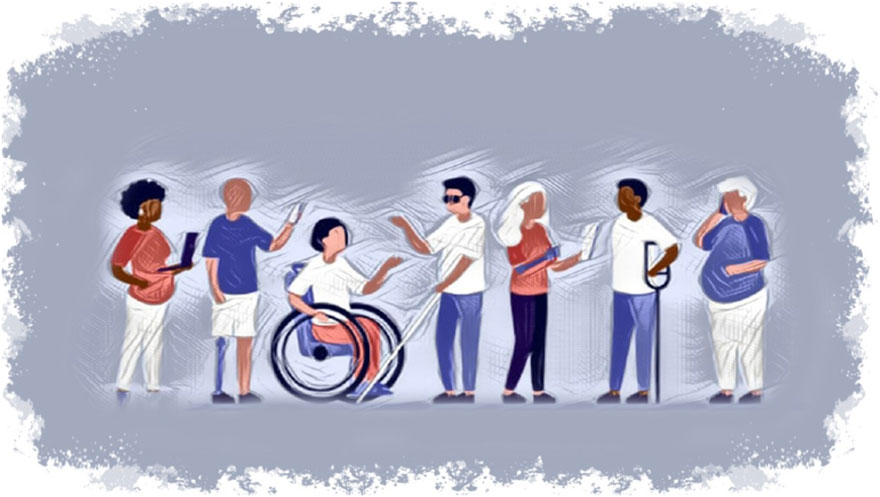
The greatest barriers are often attitudinal rather than physical. Indian society continues to see persons with disabilities as bene]iciaries rather than leaders. Disability is associated with dependency, weakness, or incapacity. Political parties often assume that disabled candidates are not “winnable.”
No major political party in India currently has a strong national disability leadership framework or an in]luential disability cell dedicated to political participation. Disabilityissues are often reduced to welfare promises during elections rather than being integrated into mainstream governance agendas.
Double Discrimination Faced by Women
Women with disabilities face multiple layers of exclusion because of gender, disability, poverty, and social stigma. In rural Odisha, women with disabilities often face restrictions on mobility, education, and ]inancial independence. Families may discourage them from entering politics because public life is viewed as unsafe or unsuitable.
Yet disabled women leaders across Odisha continue to challenge social barriers through self-help groups, Panchayat participation, disability federations, and grassroots campaigns. Their participation is particularly important because they bring perspectives related to healthcare, social protection, education, nutrition, caregiving, and gender violence.
National, International and Odisha Disability Leaders
India has produced remarkable disability rights leaders who transformed public discourse.
Late Javed Abidi was one of India’s most in]luential disability rights activists. Born with spina bi]ida and using a wheelchair from adolescence, he founded disability advocacy networks and played a central role in the passage of disability rights legislation in India. The United Nations described him as a globally known disability rights activist whose advocacy strengthened accessibility and political participation (United Nations, 2018). Sadhan Gupta became India’s ]irst blind parliamentarian in independent India in 1953 and later served as Advocate General of West Bengal. Despite becoming blind during childhood due to smallpox, he emerged as a successful lawyer, parliamentarian, and public intellectual.
Satendra Singh consistently highlighted disability rights within medical education, accessibility reforms, and governance structures.
Internationally, Crystal Asige became a symbol of disability-inclusive governance by advocating for sign language recognition and policies bene]iting caregivers and disabled citizens.
Odisha has played a pioneering role in strengthening political participation and accessible elections for persons with disabilities in India. Leaders such as Sruti Mohapatra, founder of Swabhiman and convener of the Odisha State disAbility Network (OSdN), have led sustained campaigns demanding accessible polling booths, disabilityinclusive election manifestos, and political representation for Divyangs. Since 2004, Swabhiman and OSDN mobilised disability groups across Odisha and India to pressure the Election Commission and political parties to recognise the political rights of persons with disabilities. Their advocacy contributed signi]icantly to national discussions on “Accessible Elections,” including ramps, Braille-enabled EVMs, volunteer support, accessible voter awareness materials, and sensitisation of polling of]icials (Swabhiman, 2024).
Sannyasi Behera, Odisha’s ]irst blind OAS of]icer, repeatedly highlighted the near absence of Divyang representation in Assemblies and Parliament and called for political reservation and disability cells within political parties (The New Indian Express, 2024). Activists such as Jitendra Biswal, Narayan Badatya, and Satyabhama Mohapatra, along with organisations including Swabhiman, Odisha State Disability Network (OSdN), National Association of the Blind Odisha branch, and district-level Disabled People’s Organisations, have consistently raised issues of accessible voting, political empowerment, social security, and leadership development. Odisha also became nationally visible during campaigns for accessible elections in 2004, 2009, 2014, and 2019, with consultations, voter awareness drives, mock polling exercises, accessibility audits, and training programmes for election of]icials helping improve electoral accessibility across districts such as Bhubaneswar, Cuttack, Puri, and Ganjam (Election Commission of India, 2025).
Legal Rights and the Representation Gap
India possesses a relatively strong legal framework for disability rights. The Rights of Persons with Disabilities Act, 2016 guarantees equality, accessibility, and participation in public life. Section 11 mandates accessible polling stations and electoral materials, while Section 29 guarantees participation in political and public life.
The constitutional framework also supports disability rights. Article 14 guarantees equality before law, Article 15 prohibits discrimination, and Article 21 protects dignity and life with dignity. The Supreme Court judgment in Rajive Raturi vs Union of India reaf]irmed accessibility as a fundamental right under Articles 14, 19, and 21.
However, legal recognition alone does not automatically produce representation. The absence of political reservation for persons with disabilities remains a major gap. India already provides political reservations for Scheduled Castes and Scheduled Tribes, while women’s reservation has gained constitutional backing. But no such mechanism existsfor persons with disabilities.
Disability rights organisations such as National Centre for Promotion of Employment for Disabled People have increasingly demanded political reservation for persons with disabilities, mandatory representation in local bodies, disability cells within politicalparties, accessible campaign infrastructure, and ]inancial support for disabledcandidates.
Emerging Political Reforms
Some encouraging changes are emerging across India. Tamil Nadu introduced amendments enabling the nomination of nearly 14,000 persons with disabilities into urban and rural local bodies, creating one of the largest political inclusion initiatives for disabled persons in India (The Times of India, 2025).
Odisha too has begun discussing broader governance reforms. In 2026, Odisha proposed the Odisha Resource Centre for Ageing and Divyangjan (ORCAD) in collaboration with UNFPA, UNDP, and UNICEF to strengthen disability inclusion and governance systems (The Business Bytes, 2026).
The Odisha government also directed district collectors to strengthen identi]ication of persons with disabilities through the UDID programme to improve inclusion in welfareand governance systems (The Times of India, 2022). In 2025, Odisha also directed inclusion of persons with disabilities under MGNREGS and village-level livelihoodgroups to improve economic participation (The New Indian Express, 2025).
Toward an Inclusive Democracy
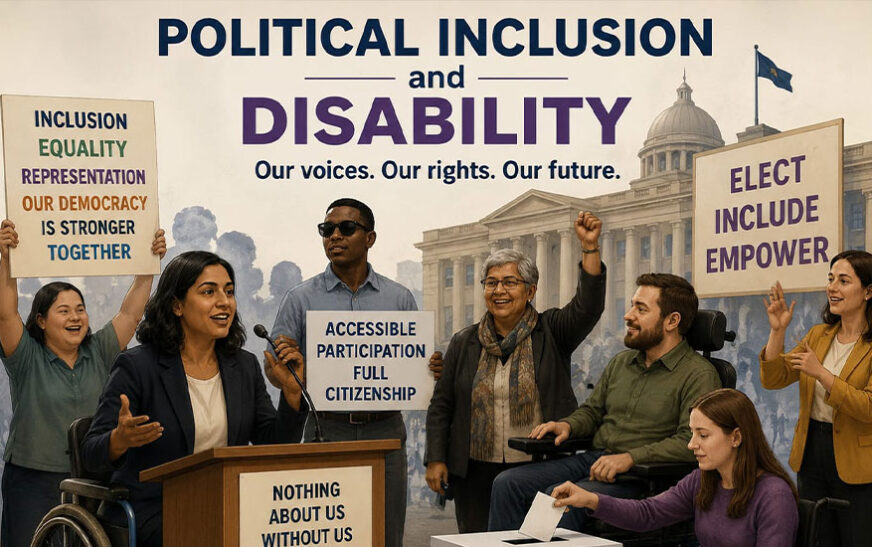
The disability rights slogan “Nothing About Us Without Us” has become globally recognized. But India’s democratic future demands an even stronger principle: “NothingWithout Us.”
Persons with disabilities are not merely welfare recipients. They are citizens, taxpayers, professionals, teachers, artists, farmers, lawyers, entrepreneurs, athletes, and activists. Their exclusion from political leadership weakens democracy itself. Political participation cannot end at accessible polling booths. It must include accessible power. A truly inclusive India will emerge only when Divyangs are visible not merely in voter lists, but also in Panchayats, Municipalities, Assemblies, Parliament, ministries, party leadership, and constitutional institutions. The question is no longer whether persons with disabilities can lead. The real question is whether Indian democracy is prepared to ]inally recognize their leadership.
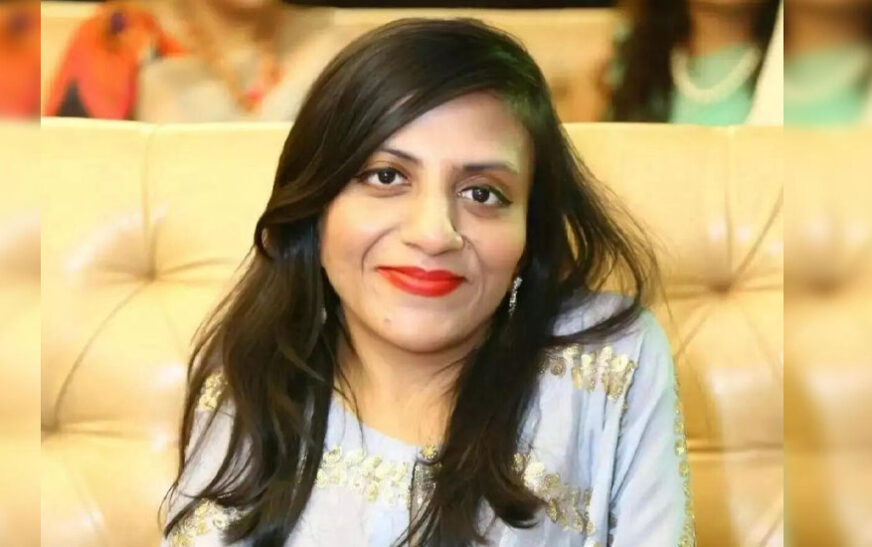
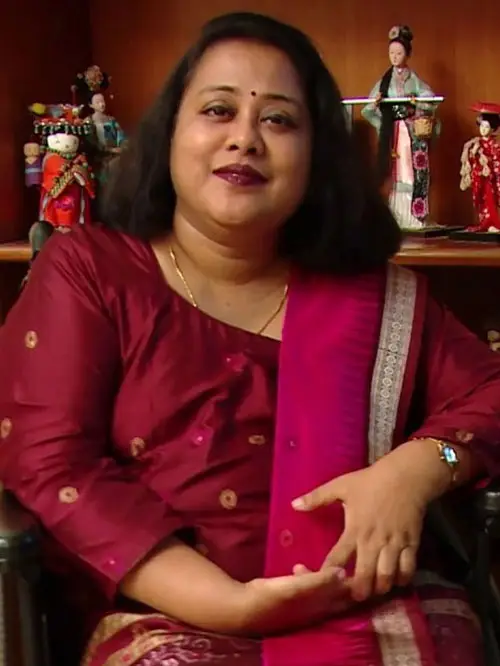
Dr. Sruti Mohapatra
2022 Nari Shakti Purashkar by President of India
TEDx Speaker (5+) and Winner of 79+ awards
Founder and CEO, Swabhiman, Bhubaneswar
State Steering Committee Member, SCF, S&ME, GoO
Member, National Council of Teacher Education (NCTE), ME, GoI
Vice Chair, Commonwealth Disabled People’s Forum (CDPF), London
Vice Chair, Disabled People’s International-India (Consultative Status UN)
References
1. Associated Press Report on Home Voting for Disabled Citizens
2. Ashoka Fellowship Pro]ile of Javed Abidi
3. Election Commission of India – Accessible Elections
4. IDR Online Article – India Needs Persons with Disabilities in Politics
5. Indian Express Report on Voter IDs and Pension Access in Odisha
6. JGU Repository PDF – Narrative Universes of Disability
7. NDTV Report on Disabled Voters in 2024 Elections
8. New Indian Express Report on Political Representation of PwDs in Odisha
9. New Indian Express Report on PwD Inclusion in MGNREGS
10. NCPEDP Of]icial Website
11. Odisha Resource Centre for Ageing and Divyangjan (ORCAD) Initiative
12. OrissaPOST Report on National Disability Empowerment Award
13. Pragativadi Report on Pending Disability Pensions in Odisha
14. Reuters Report on 2024 Indian General Elections
15. Rights of Persons with Disabilities Act, 2016 PDF
16. Sati, S., Das, S., & Mahanta, B. (2025). Narrative Universes of Disability: Global Perspectives.
17. Swabhiman. Advocacy Initiatives on Accessible Elections and Political Participation, 2024. The New Indian Express. Political Representation Eludes PwDs of Odisha, 2024.
18. The Times of India Report on Accessibility at Puri Jagannath Temple
19. The Times of India Report on Disability Pension Demands in Odisha
20. The Times of India Report on Pending Pension Applications in Odisha
21. The Times of India Report on Tamil Nadu Local Body Inclusion Bill
22. The Times of India Report on UDID Identi]ication Drive in Odisha
23. United Nations Tribute to Javed Abidi