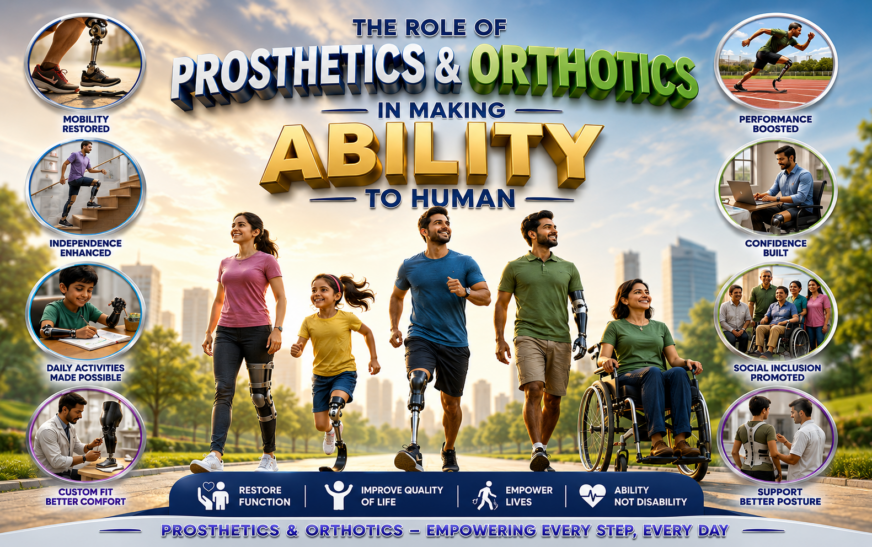
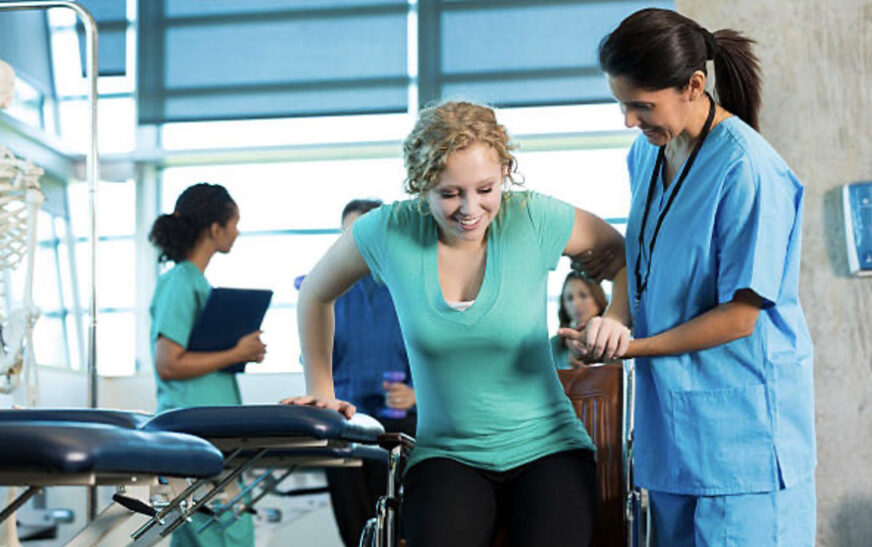
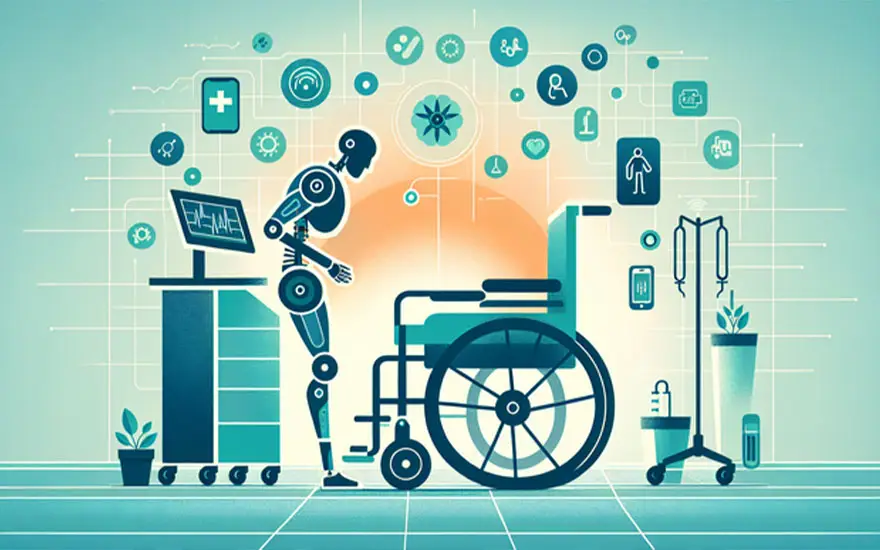
Prosthetics and orthotics have evolved far beyond functional aids, becoming instruments of empowerment that restore mobility, dignity, and independence. Modern innovations—ranging from thought-controlled limbs to neural feedback systems—enable extraordinary agility and participation in work, sports, and daily life. Yet the true revolution lies in their transformative impact on individuals, exemplified by Manasi Joshi, who rose from personal tragedy to become a world champion para-badminton player.
Despite these advances, access remains uneven due to prohibitive costs, creating a two-tiered system of opportunity. Addressing this challenge requires affordable innovation, policy recognition, and a societal shift that reframes assistive devices as celebrations of resilience rather than markers of difference. Looking ahead, breakthroughs in brain-computer interfaces and advanced materials promise to expand possibilities further.The measure of progress is not technological sophistication alone, but the ability to transform lives across all sections of society. Prosthetics and orthotics are catalysts for change—restoring human dignity and potential, one life at a time.
In an era where technological advancement continues to redefine human potential, the dominion of prosthetics and orthotics stands as a testament to humanity’s resolve to transcend physical limitations. These devices, once seen as merely functional aids, have transformed into powerful tools of empowerment that enable people with disabilities to lead fuller, more active lives. For individuals who have faced the physical and emotional impacts of amputation, deformities, or conditions affecting mobility, modern prosthetics and orthotics offer not only support but also a renewed sense of hope and
possibility. Modern prosthetics, enhanced by artificial intelligence and responsive sensors, offer capabilities that would have seemed like science fiction mere decades ago. Patients can now control artificial limbs with the power of thought, grasp objects with precise pressure, and even experience a sense of touch through neural feedback systems. This newfound agility enables individuals to regain an extraordinary level of control and independence, empowering them to return to work, participate in sports, or even take on new physical challenges. However, the true revolution lies not in the technology itself, but in its transformative impact on lives. Consider the inspiring journey of Manasi Joshi, a remarkable para-badminton player who lost her left leg in a road accident in 2011.Through sheer determination and the support of advanced prosthetics, she not only returned to the badminton court but rose to become a world champion. Today, Manasi stands as a Paralympic athlete and World No. 1 in SL3 category. Such stories challenge our preconceptions about disability and redefine what’s possible. Yet, we must confront an uncomfortable truth: access to these life-changing technologies remains heavily skewed by economic disparities. While high-end prosthetics can restore near-normal functionality, their prohibitive cost place them beyond the reach of most who need them. This economic barrier creates a two-tiered system where the promise of mobility and independence remains just that a promise for many. The solution lies in a multi-faceted approach. First, we need sustained investment in research and development focused not just on advancing technology, but on making it more affordable. Second, government policies must evolve to recognize advanced prosthetics not as luxury items but as essential medical devices, worthy of coverage under healthcare schemes and insurance policies. Looking ahead, the future of prosthetics and orthotics holds immense promise. Emerging technologies like brain-computer interfaces and advanced materials science continue to push the boundaries of what’s possible. But technology alone is not enough. We need a societal shift in how we view disability and assistive devices. These are not crutches that mark someone as different, but powerful tools that celebrate human adaptability and resilience.
The power of prosthetics and orthotics extends far beyond their mechanical function. They are instruments of empowerment, catalysts for change, and symbols of humanity’s unwavering spirit to overcome challenges. The measure of our progress lies not in the sophistication of our technology, but in its ability to touch and transform lives across all sections of society. The revolution in prosthetics and orthotics is not just about restoring physical capability—it’s about restoring human dignity and potential, one life at a time.