“A truly inclusive classroom is not one where every child learns in the same way — it is one where every child is given the opportunity to belong, participate, learn and dream.”For every child, education should be more than a seat in a classroom — it should be a doorway to dreams, dignity and a life of full of possibilities and positive experiences.
For a child with a disability, that doorway can mean something even deeper: the chance to be seen not for the barriers they face, but for the limitless potential they carry within.
From access to belonging in EU
European Union (EU), international organization comprising 27 European countries and governing common economic, social, and security policies. The EU’s members are Austria, Belgium, Bulgaria, Croatia, Cyprus, the Czech Republic, Denmark, Estonia, Finland, France, Germany, Greece, Hungary, Ireland, Italy, Latvia, Lithuania, Luxembourg, Malta, the Netherlands, Poland, Portugal, Romania, Slovakia, Slovenia, Spain, and Sweden. The United Kingdom, which had been a founding member of the EU, left the organization in 2020.
EU has made significant progress in recognising education as a fundamental right.
Yet physical access to a school building is only the beginning.
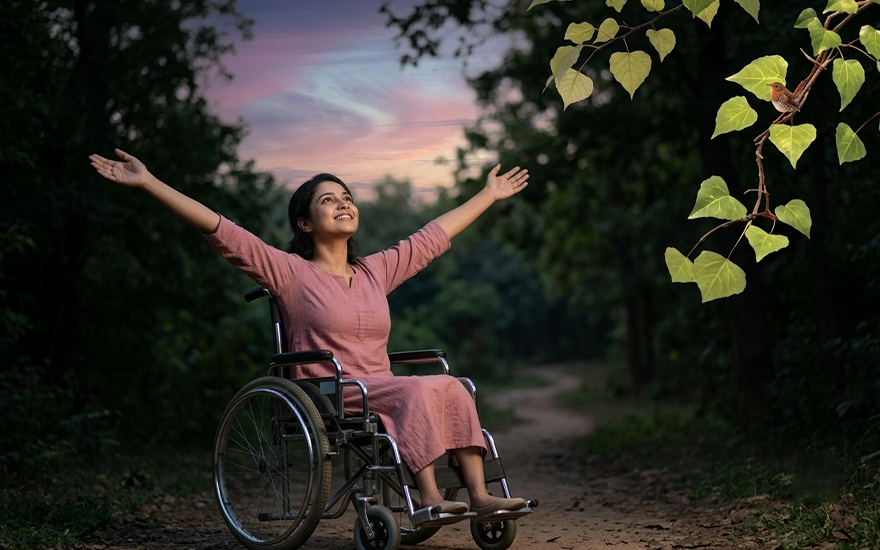
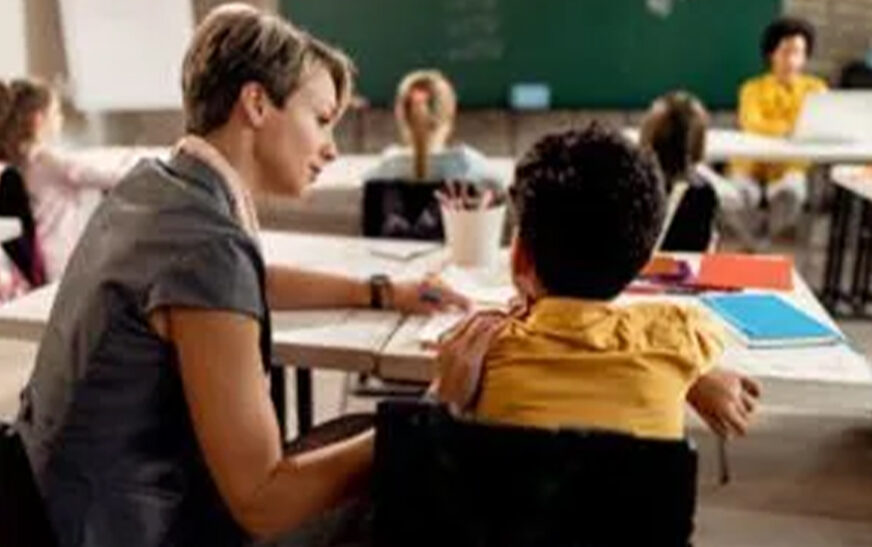
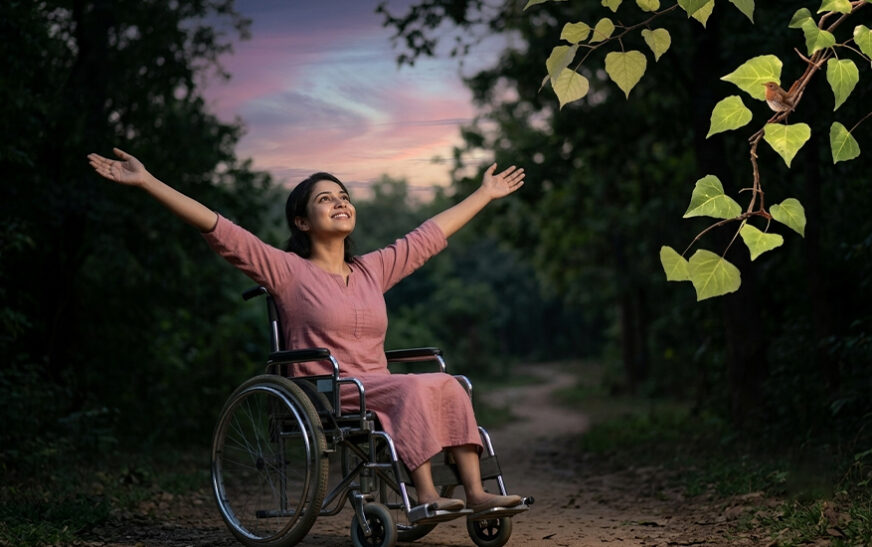
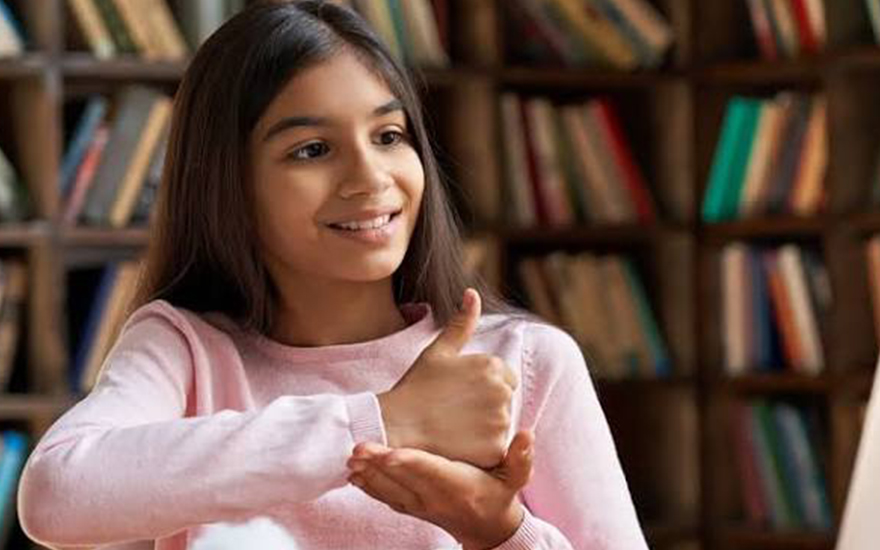
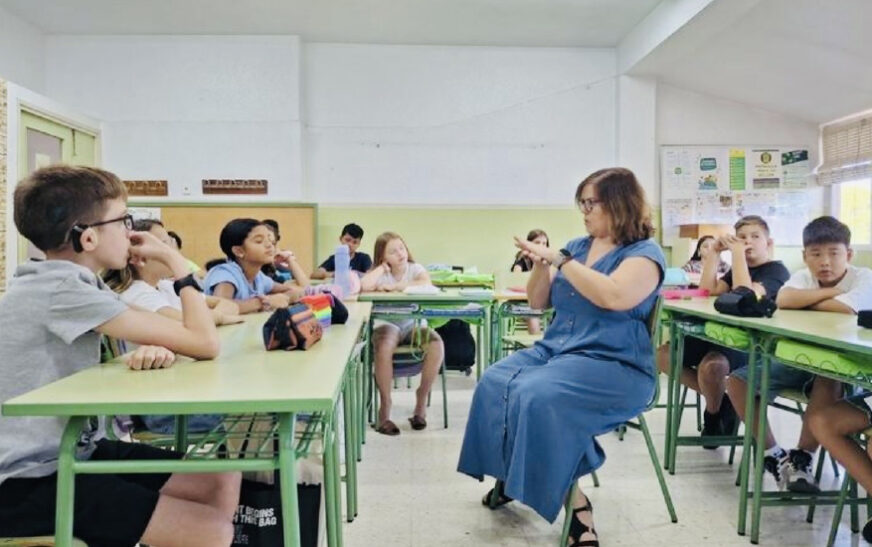
True inclusion means that a child who uses a wheelchair can enter the classroom independently. It means that a deaf child can communicate effectively, that a blind student can access learning materials, and that a child with an intellectual, developmental or learning disability is supported rather than defined by a label.
A child should not merely be present in a classroom. They should feel that they are part of it.
The European Agency for Special Needs and Inclusive Education (EASNIE) collects data across European education systems to examine where learners are educated and the extent to which learners with officially recognised special educational needs participate in inclusive settings.
A classroom that welcomes different abilities, communication styles, learning needs, cultures and experiences can benefit every student.
Children learn empathy by interacting with people whose experiences differ from their own. They learn collaboration rather than isolation. They discover that asking for help is not weakness and that differences do not diminish human potential.
Inclusion therefore prepares young people for the society we want to build: a society where diversity is normal rather than exceptional.
What Does an Inclusive Classroom Look Like in Europe?
An inclusive European classroom is not simply a room where children with and without disabilities sit together. It is a learning environment designed so that every child can participate, communicate, learn and feel that they belong. The European Agency for Special Needs and Inclusive Education describes the vision as learners receiving meaningful, high-quality education in their local community alongside their friends and peers.
In practice, inclusion can take many forms because education systems are organised differently across European countries. However, several common approaches are increasingly important:
Accessible classrooms and schools: ramps, lifts, accessible toilets, appropriate seating and other adjustments help remove physical barriers.
Flexible teaching: teachers adapt methods, materials, pace and ways of demonstrating learning so that students with different needs can participate.
Individualised support: some learners may receive additional educational, therapeutic, communication or social-emotional support alongside the measures available to the whole class.
Assistive and digital technology: screen readers, communication devices, captioning, accessible digital materials and other technologies can enable students to learn more independently.
Specialist expertise within mainstream education: special educators and other professionals can work with classroom teachers, rather than inclusion being left to one teacher alone.
Peer participation: children with disabilities are encouraged to learn and participate alongside their classmates rather than being routinely separated.
Family and school collaboration: parents, teachers, specialists and students work together to understand needs and identify effective support.
Importantly, inclusive education does not mean giving every child exactly the same thing. Equality sometimes means providing different forms or levels of support so that every learner has a genuine and equal opportunity to participate irrespective of their disability.
An inclusive classroom in Europe does not ask, “How can this child fit into our system?” It asks, “How can we make our system work for this child?”
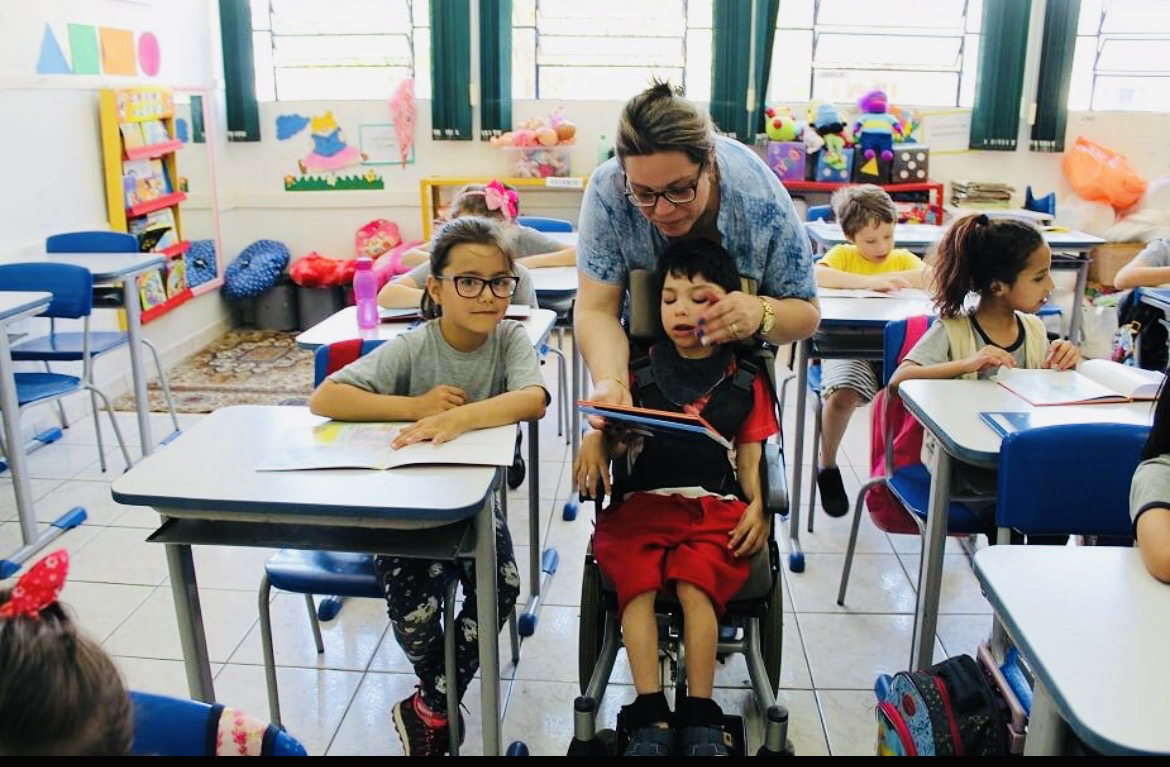
Teachers are the heart of inclusion in Europe
No inclusive education policy can succeed without empowering teachers.
In Europe /EU Teachers are expected to respond to increasingly diverse classrooms while balancing curriculum requirements, assessment, classroom management and individual learning needs.
They therefore need more than goodwill. It is not only a profession, but a pure passion.
They are trained in Assistive technology, which can transform learning for students with visual, hearing, physical, communication or learning disabilities into a joyful experience. Universal Design for Learning helps educators create lessons that offer different ways of engaging with content, demonstrating knowledge and participating in classroom activities.
Technology, however is only a tool rather than a substitute for human connection.
A supportive teacher who sees a child’s strengths can sometimes change a child’s entire perception of themselves.
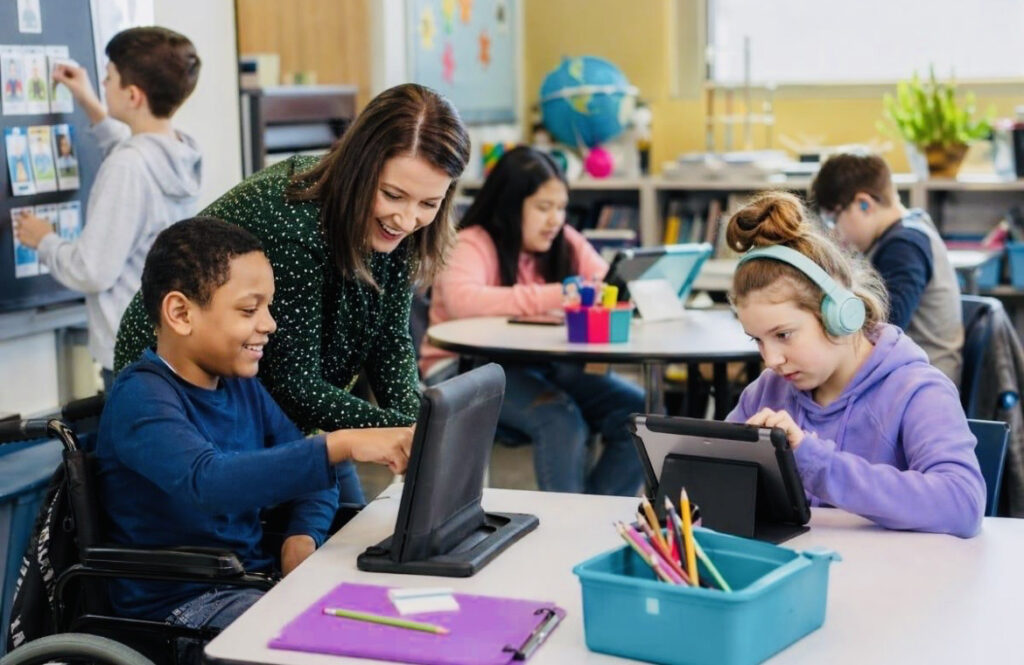
Inclusion begins early
The foundations of inclusion are laid long before secondary school or university.
Early childhood education can play a crucial role in identifying support needs, developing communication and social skills, building confidence and creating positive attitudes towards diversity.
The European evidence also points to the importance of early intervention and continued investment across the education journey.
EASNIE’s latest analysis calls for continued investment in inclusive early education and better monitoring of educational participation. (European Agency)
Inclusion should therefore not be treated as a temporary intervention.
It should be a continuum — from early childhood through higher education and lifelong learning.
From policy to practice
Europe has important frameworks and commitments supporting equity and inclusion. Yet legislation and policy become meaningful only when they are experienced in everyday life.
A ramp matters when a student can actually enter the building.
A sign-language interpreter matters when a deaf student can participate fully in the lesson.
Accessible digital material matters when a blind student can independently study.
Additional classroom support matters when a student who needs it can learn without being isolated.
And perhaps most importantly, a culture of respect matters when children understand that difference is not a reason for exclusion.
Inclusive education is ultimately about the kind of Europe we want to create.
A Europe where disability does not determine how far a child can dream.
A Europe where accessibility is designed into education rather than added afterwards.
A Europe where teachers are equipped rather than overwhelmed.
A Europe where parents do not have to fight endlessly for basic educational support.
And a Europe where every child can look around their classroom and know:
“I belong here.”
The goal of inclusion is not to make every learner identical.
The goal is to create an education system flexible enough to recognise that every learner is different — and every learner matters.
I saw written on the walls of a primary school in Germany that touched my heart-
Hier zählt nicht, was uns unterscheidet, sondern was uns verbindet.“
“Here, what matters is not what separates us, but what connects us.”
Sarmistha Choudhury
An Expert in Indian Sign Language(ISL),Master’s Degree in Zoology and Human Resource Management and a Bachelor’s Degree in Education and a Deutsch /German Language C1 Certification from Goethe Institute, Munich. Apart from having a solid experience in Teaching, Administration, Operations and Educational Management , Sarmistha converses fluently in English, Hindi, Odia, German, Sanskrit and Language of Humanity as well. Currently Sarmistha works as Country Associate for Global Workplace Solutions, with HCL Technologies for UK and Europe.