
Introduction
Inclusion is not a one-way process. It thrives on transactionality, a dynamic process where mutual exchange and collaboration pave the way for meaningful participation. Intersectionality ensures that strategies do not overlook the complex impediments faced by marginalized/ disadvantaged groups. By recognizing these deep social dynamics, programs and interventions across the Globe, such as the SDGs 2030, can be implemented in the Letter and Spirit.
In reality, Intersectionality is not a new addition to the vocabulary of such a discourse. This is “— a lens, a prism, for seeing how various forms of inequality often operate together and exacerbate each other” . This was coined in 1989 by Crenshaw to explain the differences Black women face in the legal system compared with White women and men. Each identity has different levels of power and privilege in our society, but the totality of this power shapes the person.
In addition, equality, equity and justice by far do not mean the same thing. While equality means that all people are directly involved having the same conditions, for equity, everyone would get the support they need (Reasonable Accommodations as per RPWD ACT 2016 and subsequent court decisions, including the Supreme Court of India).
PwDs and Intersectionality
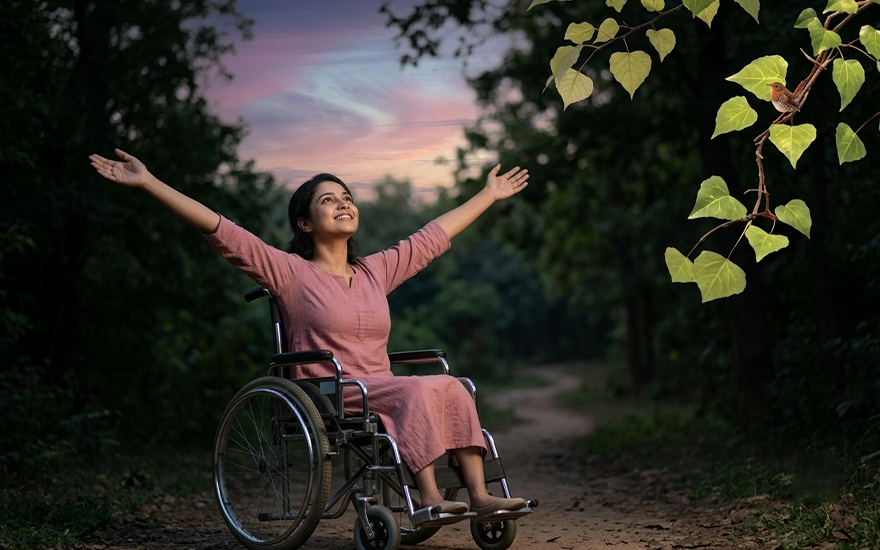
In supporting persons with disabilities, transactionality emphasises the interplay of systems, individuals, and communities working together to dismantle barriers and create equitable opportunities.
- A life cycle approach to inclusion recognises that the needs and challenges of individuals evolve, from infancy to old age. For persons with disabilities, this approach ensures that support systems adapt to their changing circumstances, fostering growth, independence, and dignity at every stage of life. When individuals face multiple disadvantages—such as poverty, gender inequities, or marginalised racial and ethnic identities—the importance of this adaptive, holistic approach becomes even more critical.
- Persons with disabilities who experience compounding disadvantages are often excluded from education, healthcare, and employment. These intersecting barriers amplify their vulnerability, limiting their opportunities to thrive.
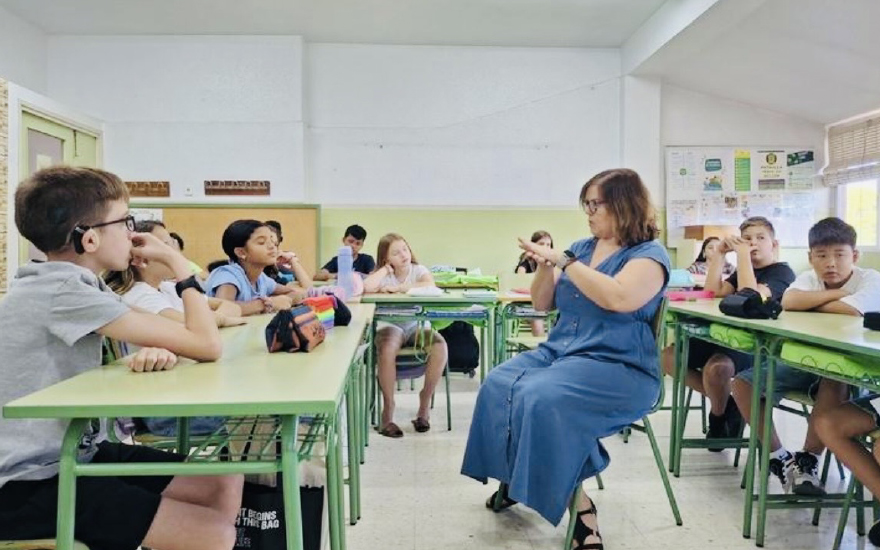
- Educators, as well all other allied services such as rehabilitation workers, professional caregivers, and family caregivers as key agents of change, are uniquely positioned to address these challenges, advocating for inclusive practices that transcend traditional boundaries and cultivate lifelong equality.
 Inclusion of Persons with Disabilities in the Context of SDGs 2030
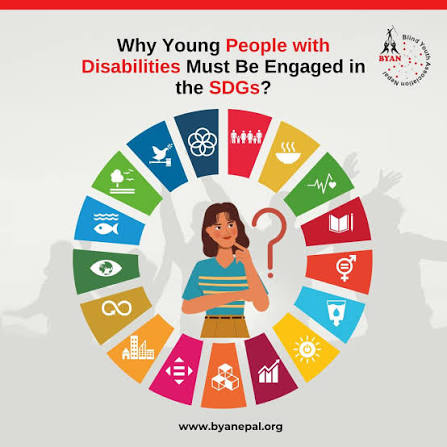
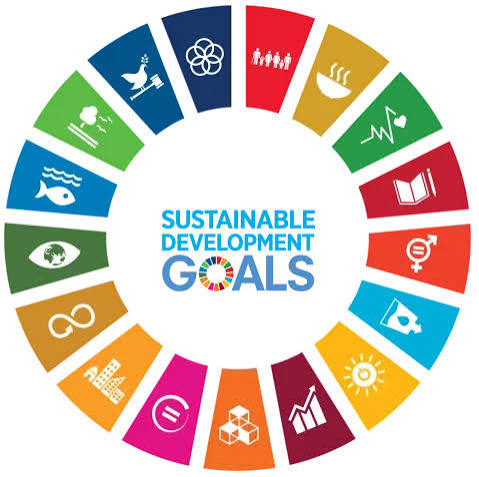
The Sustainable Development Goals (SDGs), established by the United Nations as part of the 2030 Agenda, represent a universal commitment to “leave no one behind.” For persons with disabilities, this commitment is both an opportunity and a challenge. Achieving the SDGs requires a sharp focus on inclusion, particularly for those who face multiple disadvantages such as poverty, gender inequity, or systemic discrimination.
The UN refers to disadvantages across many aspects; it is also emphasised in literature and practice that Disability is the most affected cross-cutting occurrence. Persons with disabilities often experience intersectional challenges—where disability intersects with other forms of disadvantage such as:
- Gender Inequality: Women with disabilities face higher rates of violence and limited access to education and healthcare.
- Socioeconomic Barriers: Disability and poverty often create a vicious cycle of exclusion.
- Ethnic and Racial Marginalisation: Individuals from minority groups with disabilities may experience compounded discrimination.
These overlapping issues necessitate tailored approaches that consider the unique circumstances of each individual. Hence, the emphasis in paper is on PwDs with a hope that if addressed, other people with disadvantages will also be served. This is what NEP 2020 implies when it uses the term Socioeconomically Disadvantaged Groups(SEDGs).
 Responsive NEP 2020 and Transactionality in Education
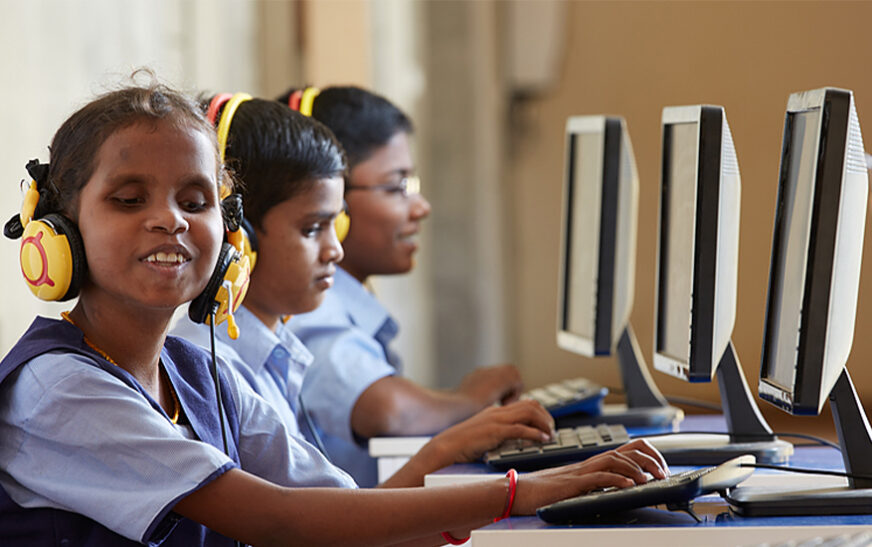
SDG 4 aims to “ensure inclusive and equitable quality education and promote lifelong learning opportunities for all.” This includes targeting vulnerable populations such as children with disabilities, girls and women, indigenous communities, and those facing social and economic disadvantages.
The Transactional Framework within SDG 4: Achieving SDG 4 requires more than just policy. It demands constant interaction between government policies, school systems, teachers, students, families, and communities. Transactionality plays a key role here, where the ongoing interaction leads to greater responsiveness and adaptability.
Practical Alignment with Transactionality implies policy, education systems and Community participation and commitment.
Conclusion
The NEP 2020 lays down a roadmap for transforming India’s educational landscape. Its emphasis on inclusive education is pivotal:
- Inclusive Education in NEP: NEP 2020 advocates creating inclusive classrooms through universal access, equity, and opportunities for marginalised communities. It aligns with transactionality by recognising that inclusion is not a static outcome but a dynamic process.
- Curriculum Flexibility: NEP promotes flexible curricula and assessment strategies, ensuring that the education system adapts to the needs of every student. Transactionality ensures that these adaptations are constantly evolving based on student needs and feedback.
- Teacher Training: NEP 2020 emphasises the importance of continuous professional development for teachers. This dynamic learning process supports transactionality by
Summary of Key Points: - Transactionality provides a dynamic approach to ensure inclusion by fostering continuous interaction between individuals, systems, and communities.
- SDG 2023 sets the global framework for inclusive education, while NEP 2020 provides the national policy direction.
- By adopting transactional strategies, both SDG 2023 and NEP 2020 can be realized in practical, impactful ways.
WE ALL ARE STAKEHOLDERS & KEY AGENTS