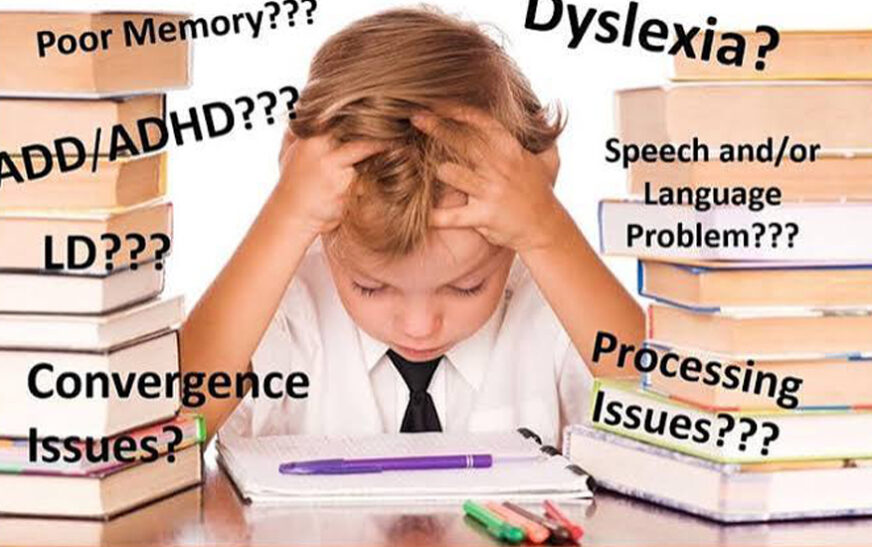
Education is a fundamental right, but for millions of children and adults with disabilities, this right still remains incomplete. While the world has moved from segregation to inclusion in principle, the reality on the ground tells a more complicated story.
Understanding the Intersection
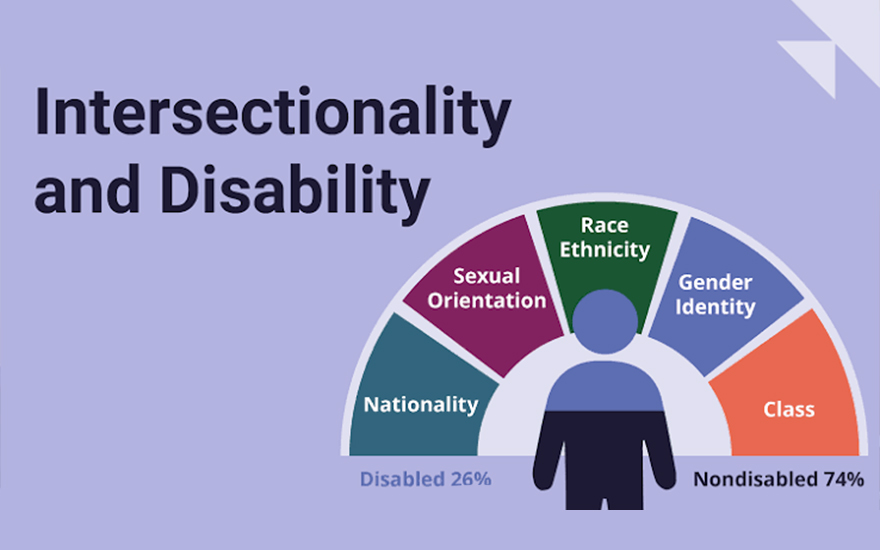
Disability in education is not just about physical access to a school building. It includes learning disabilities, intellectual disabilities, visual and hearing impairments, autism, ADHD, and psychosocial disabilities. According to UNESCO, children with disabilities are 2.5 times more likely to be out of school than their peers.
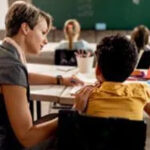
The goal of inclusive education is simple: every learner should learn together, regardless of their differences. But achieving it requires more than just enrolling a child with disability in a regular classroom.
Present Challenges
1. Accessibility Gap – Beyond Ramps
Most schools, especially in India, still lack basic accessibility. While many have added ramps, true accessibility means accessible toilets, tactile pathways, audio-visual learning material, screen-reader friendly digital content, sign language interpreters, and transport. In rural areas like many parts of Odisha, even reaching school is a challenge.
2. The Teacher Preparedness Crisis
This is the biggest bottleneck. Most http://B.Ed and http://D.El.Ed curriculums give only a brief overview of inclusive education. A general teacher is suddenly expected to handle a child with autism, a child with dyslexia, and 40 other students in the same class without an aide or training. The result is burnout for teachers and neglect for the student.
3. The Digital Divide After COVID-19
The pandemic pushed education online, which created a new form of exclusion. Learning apps are rarely designed for screen readers, captions are often missing, and online classes are too fast-paced for children who need extra processing time. For families who cannot afford assistive devices, education simply stopped.
4. Attitudinal Barriers and Stigma
Infrastructure can be built, but attitudes are harder to change. Many parents still hide their children’s disability due to social stigma. In classrooms, children with disabilities face bullying or low expectations – teachers and peers assume they “cannot do it.” This learned helplessness is more disabling than the disability itself.
5. Policy vs. Implementation
India has strong laws – the Rights of Persons with Disabilities Act 2016 and the National Education Policy 2020 both strongly advocate inclusive education. NEP 2020 talks about trained special educators, flexible curricula, and assistive technology. However, at the district and block level, there is a severe shortage of special educators, therapists, and budget allocation. Policies exist on paper, not in classrooms.
6. Assessment and Curriculum Rigidity
Our education system is still obsessed with one-size-fits-all exams. A child with dyslexia who thinks brilliantly but writes slowly is judged by the same 3-hour written exam. There is very little scope for alternative assessment, oral exams, or skill-based evaluation.
What do we need now?
a) Invest in Teachers, Not Just Technology:* Every teacher should get hands-on training in Universal Design for Learning (UDL) – a method where lessons are designed to be flexible from the start. One trained special educator per cluster of schools can support 5-6 schools.
b) Make Assistive Tech Affordable:* Government and startups need to work together to make low-cost screen readers, hearing aids, and Braille kits available. Digital content under DIKSHA and other platforms must be made accessibility-compliant by default.
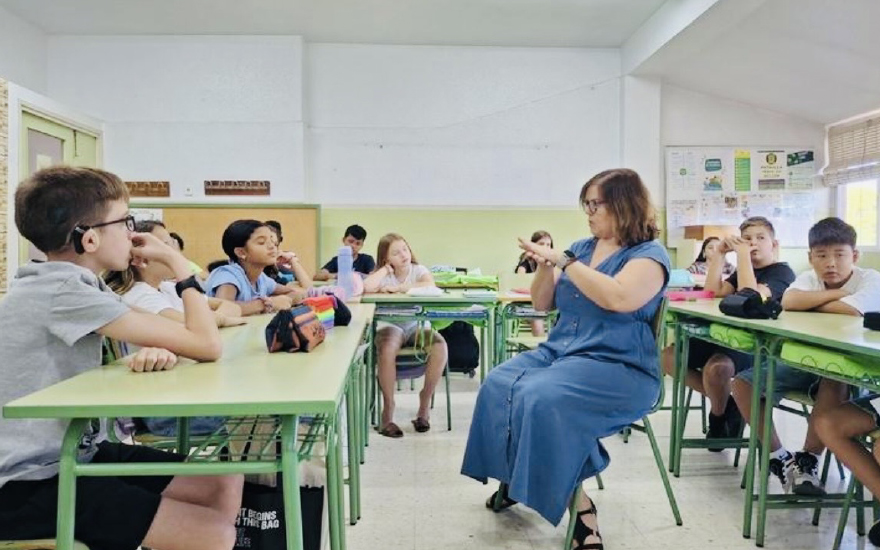
c) Shift from Sympathy to Empowerment:* We need to see students with disabilities not as objects of charity but as individuals with different learning needs. Peer sensitization programs, where students learn about disabilities from an early age, can reduce bullying and stigma.
d) Involve Parents and Community:* The most successful inclusive models are those where parents of children with disabilities are made partners in the Individualized Education Plan (IEP), not just called for meetings.
Conclusion:
Inclusive education is not a favour we do for children with disabilities. It makes education better for everyone. When we create a classroom where instructions are clear, visual, and auditory; where assessments are flexible; and where every child is valued – all children benefit.
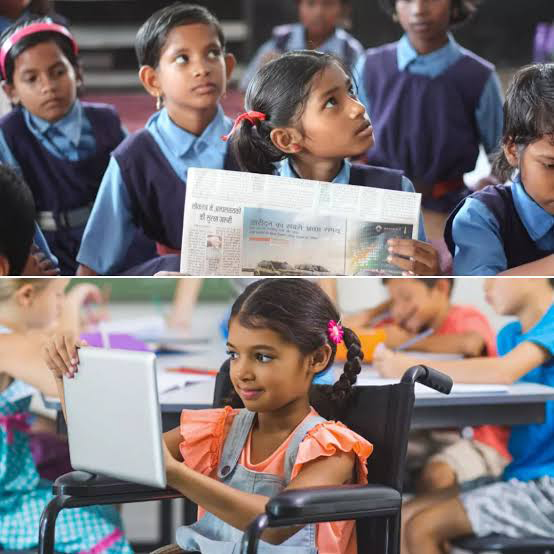 The challenge today is not about whether we should include, but how we include with quality, dignity and resources. If education is truly meant to leave no one behind, disability inclusion cannot be an afterthought – it has to be the starting point. Yes, Many Flexibility are required in our Education System for Children with Special Needs.