According to the most recent Census, which was carried out in 2011, there are over 2.68 crore persons with disabilities in India, which sums up to 2.21% of the total population. To further enhance their quality of life and enable them to participate equally in the country’s overall prosperity, the government began implementing inclusive development with this number in mind. Since India adopted the United Nations Convention on the Rights of Persons with Disabilities, persons with all type of disabilities must have free access to basic privileges and rights under the law. The SDGs also seek to “Leave No One Behind,” also address concerns associated with persons with disabilities.
In India, collecting data on persons with disabilities through the census has been quite challenging. One of the earliest examples was the 1872–1931 census, which gathered information on persons with disabilities. However, it stopped between 1941 and 1971. Following the PWD Act of 1995, data on five categories of disabilities—visual, speech, hearing, movement, and mental disability—was gathered during the 2001 Census.
Eight disabilities were identified during the 2011 Census as data was gathered on the five formerly identified disabilities (visual, hearing, speech, mobility, and mental retardation), as well as three additional disabilities (mental illness, any other, and multiple disability). The PWD Act of 1995 was replaced by the Rights of Persons with Disabilities Act 2016, which increased the number of disabilities from eight to twenty-one. The Central Government retains authority to add further disabilities. Following a thorough discussion with the Ministry of Social Justice and Empowerment, civil assessment of the 2011 Census, and society organizations, the categories of disabilities were modified.
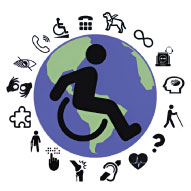
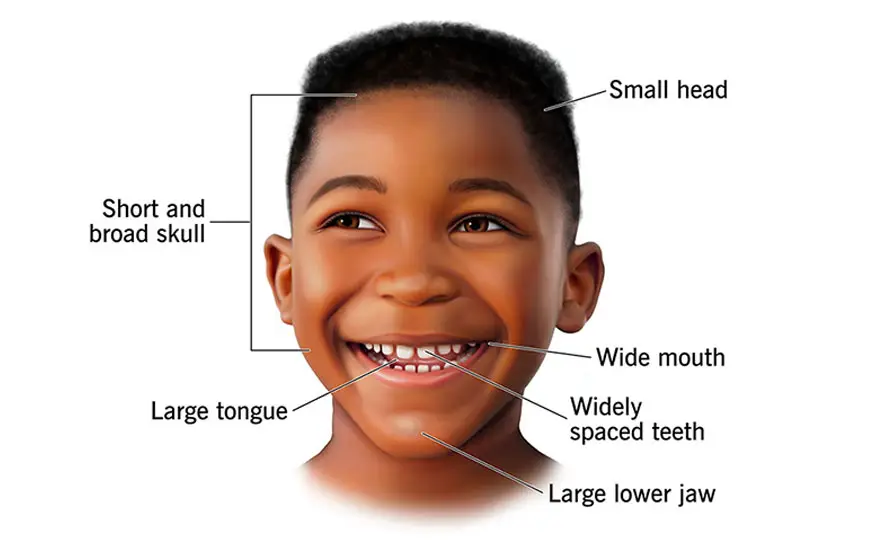
The 21 disabilities recognized by the new RPWD Act, 2016 are Blindness, Low-vision, Leprosy Cured persons, Hearing Impairment (deaf and hard of hearing), Physical Disability, Dwarfism , Intellectual Disability, Mental Illness, Autism Spectrum Disorder, Cerebral Palsy, Muscular Dystrophy, Chronic Neurological conditions, Specific Learning Disabilities, Multiple Sclerosis, Speech and Language disability ,Thalassemia, Hemophilia, Sickle Cell disease, Multiple Disabilities including deaf-blindness, Acid Attack victim and Parkinson’s disease. Speech and Language Disability as well as Specific Learning Disability have been added for the first time. Dwarfism and Muscular Dystrophy are included as a separate category of specified disability and acid victims too along with three blood disorders, Thalassemia, Hemophilia and Sickle Cell disease. Information on these twenty one categories is yet to be collected and it was expected that 2021 Census will do so but did not take place.
Accurate knowledge of the various types and degrees of disabilities is essential, but broadened criteria and types of disabilities have presented unique challenges for grassroots functionaries who lack awareness of invisible disabilities and what it takes to identify the correct type due to a lack of information and the negative approach towards recognizing the person with disability with a right based approach.
It calls for a unique strategy with an extensive knowledge of the evolving concept of disability to include those who have disabilities in the census with fairness and without bias. People may have multiple disabilities, such as cerebral palsy and intellectual disability, demonstrating that disabilities are complex phenomena that cannot be neatly classified.
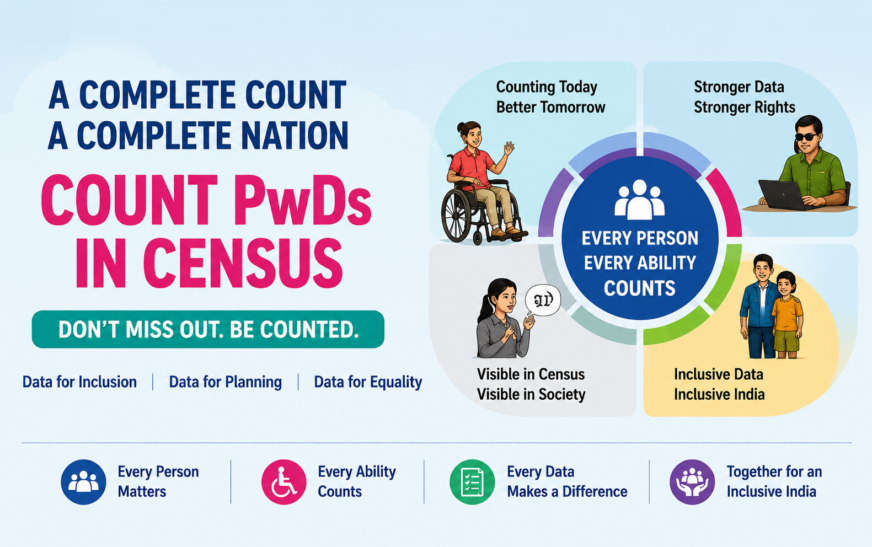
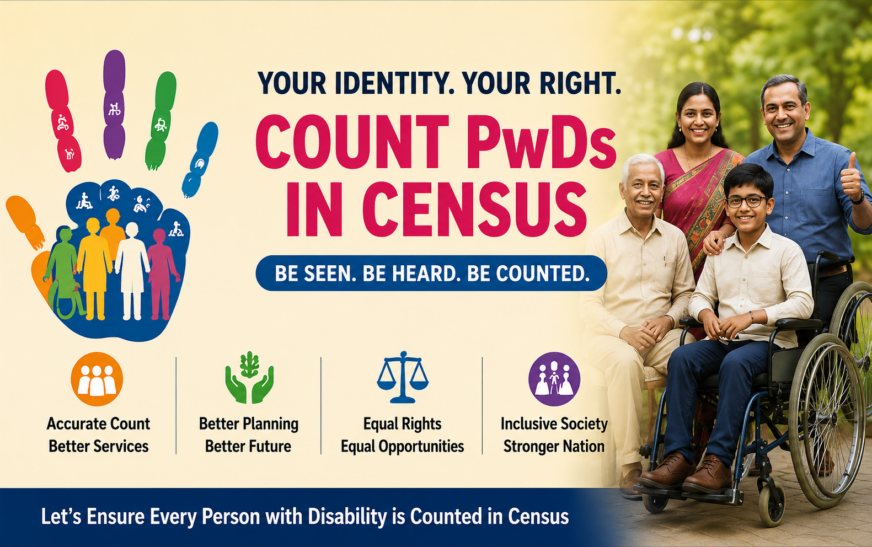
Although there is a lot of discussion and debate about inclusion, the figures always determine the policies and how they are implemented, which is why it is crucial that every individual with a disability be included in the census. When discussions on the welfare of this disadvantaged group get underway, it is assumed that a small percentage of individuals should be taken into consideration when they barely have a voice. However, it’s time for the government to acknowledge that data will now be recorded on nearly three times as many disabilities adding to the quantum of disability population.
To ensure that each person with a disability is included with equity requires careful planning, appropriate execution, and an impartial monitoring body. A special committee or cadre of government officials at the district level are needed, with apt training on the concept of diverse disabilities, their types, and the proper methods for identifying them. This is because, even if one person with a disability is not counted, they will be deprived of their right to survive, access services, and lead a dignified life.
Due to stigma and embarrassment, some families in rural areas choose not to reveal that they have a family member with a disability, or they simply display a certificate with the incorrect sort of condition. The government should ought to designate grassroots workers and service providers to the enumeration teams to guarantee that all people with disabilities are included in this census as they have an affinity with the community and are aware of the person with disabilities in each house of their area. This will support in reaching as many people as possible in the rural pockets so they can be counted in the census.
Acknowledging disability is an important demographic factor, therefore the census must use inclusive definitions, accessible methods, and strong protections to ensure that every individual is counted. In addition to undermining democratic accountability and perpetuating invisibility, excluding persons with disabilities from census enumeration impedes the development of inclusive health, education, job, and social security services.