
Therapeutic Challenges of Children with Intellectual Disability in Odisha
Introduction
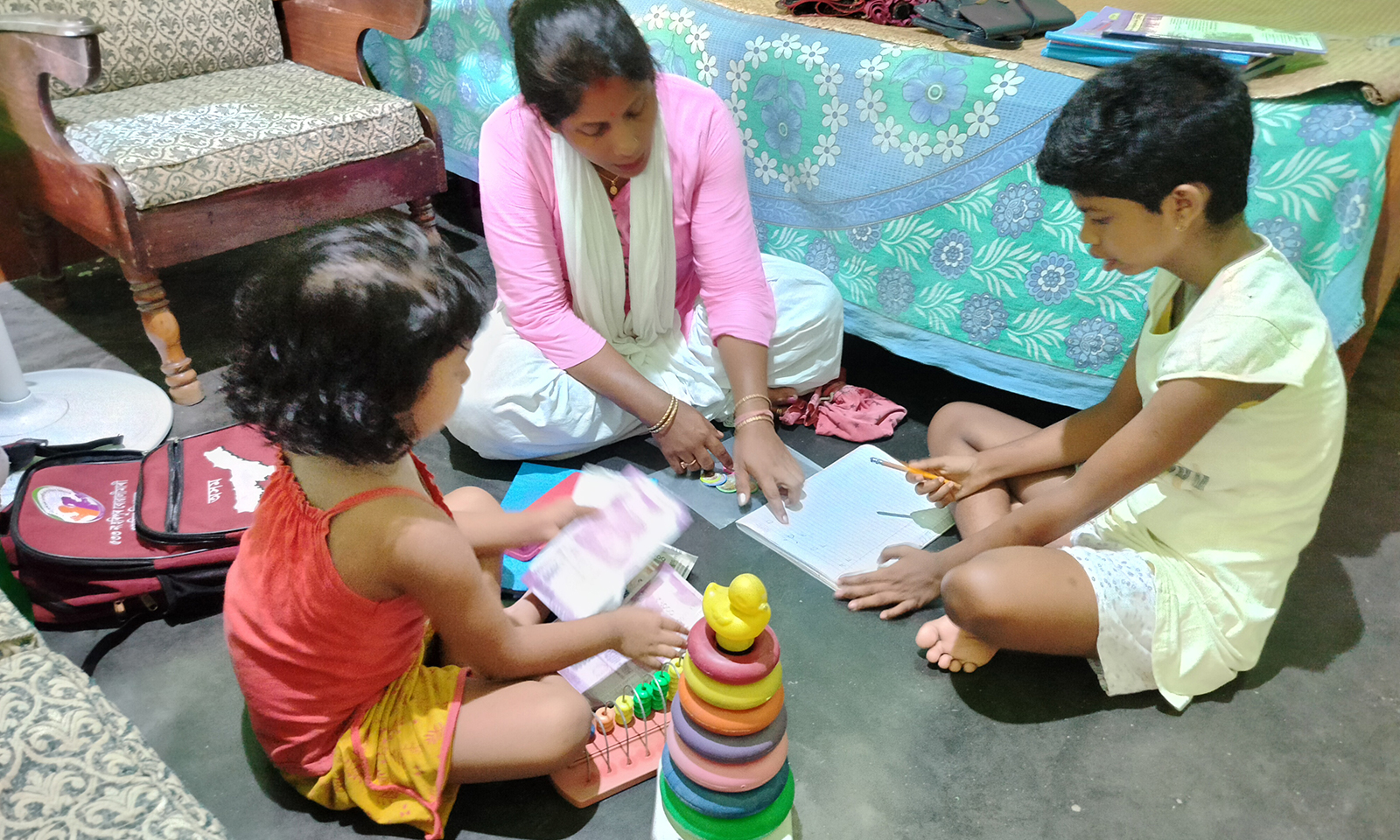
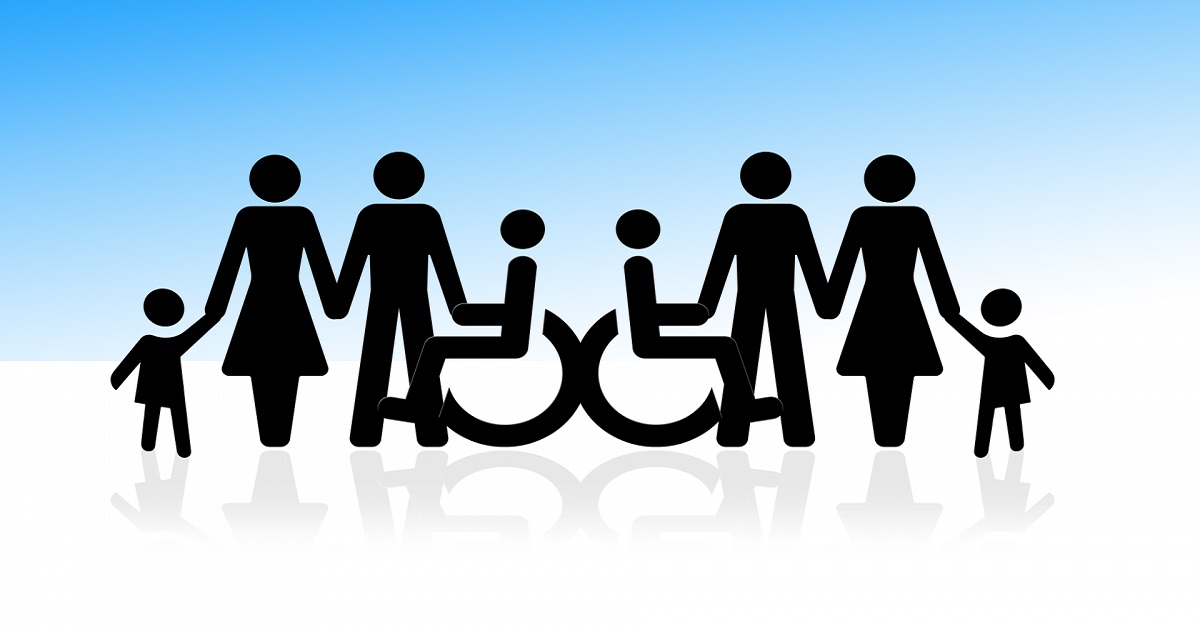
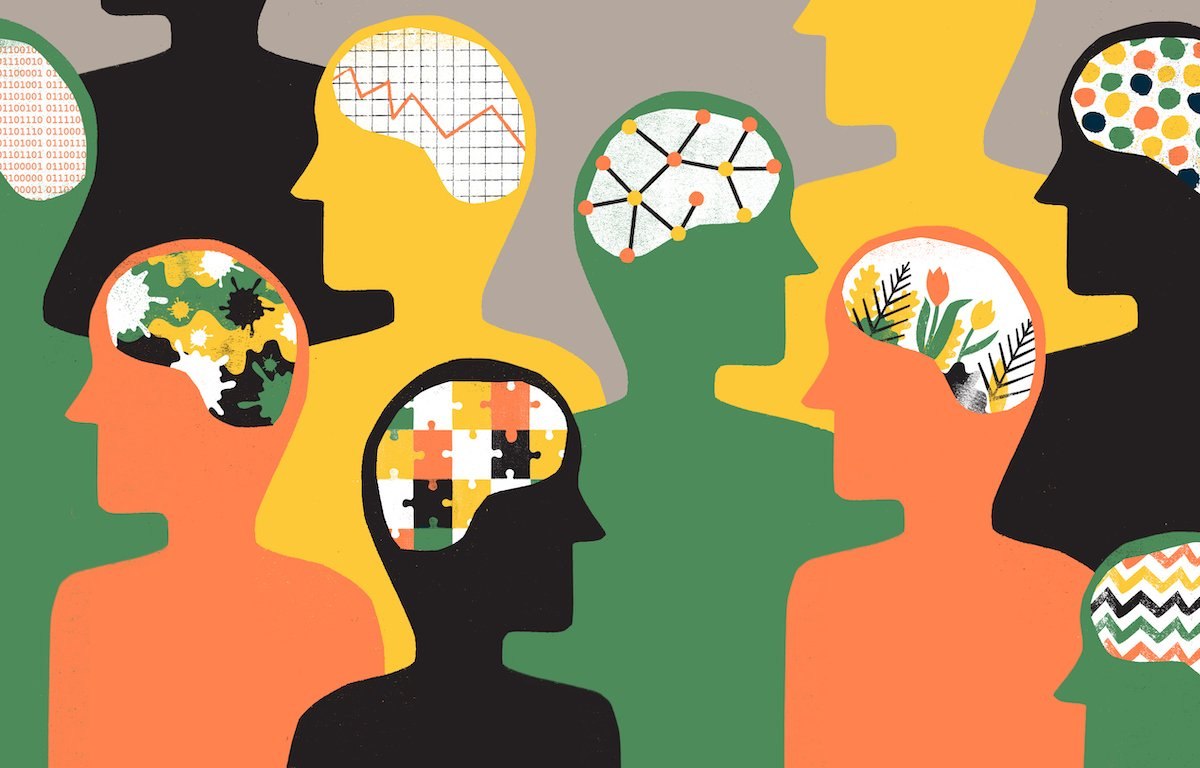
Intellectual Disability (ID) is a neurodevelopmental condition characterized by limitations in intellectual functioning and adaptive behaviour, originating before the age of 18. Children with ID often face difficulties in communication, learning, social skills, and daily living. While therapeutic interventions play a crucial role in improving the quality of life and functional abilities of these children, significant challenges exist in delivering effective therapy in regions like Odisha, a state in eastern India with diverse socio-economic and geographical landscapes.
This article aims to explore the therapeutic challenges encountered in managing children with Intellectual Disability in Odisha, blending scientific insight with an accessible narrative for families, caregivers, professionals, and policy-makers.
Current Scenario in Odisha
Odisha is home to a large rural and tribal population, where access to healthcare and rehabilitative services remains inconsistent. According to the 2011 Census, Odisha recorded over 2.6 lakh individuals with intellectual disabilities, a figure likely underestimated due to underreporting and stigma. Despite various government schemes like Samagra Shiksha Abhiyan, Deendayal Divyangjan Rehabilitation Scheme, and District Disability Rehabilitation Centres (DDRCs), service delivery is patchy, especially in rural and tribal belts.
Major Therapeutic Challenges
1. Limited Availability of Trained Professionals
A major hurdle is the acute shortage of trained professionals such as occupational therapists, speech-language pathologists, special educators, and clinical psychologists in the state. While urban areas like Bhubaneswar, Cuttack, and Rourkela have some access, rural regions often lack even basic developmental screening services. This uneven distribution hinders early diagnosis and timely intervention.
2. Delayed Identification and Referral
Early identification of ID is critical for initiating intervention during the brain’s most plastic developmental stages (0–6 years). Unfortunately, lack of awareness among frontline workers (e.g., ASHA, Anganwadi workers), absence of standardized screening protocols in government health setups, and social stigma delay both diagnosis and referral.
3. Social Stigma and Cultural Beliefs
Many families in Odisha, particularly in rural areas, interpret intellectual disability through cultural or superstitious lenses—considering it a curse, sin, or karmic result. This leads to denial, secrecy, and avoidance of formal therapy, resulting in worsening of the child’s condition over time.
4. Inadequate Infrastructure and Resources
Therapy centers in government setups are limited, with most Integrated Child Development Services (ICDS) and Community Health Centres (CHCs) lacking rehabilitative infrastructure. Equipment for sensory integration therapy, assistive technology, or functional assessments is scarce. Moreover, public transport access to therapy centers is difficult for families in remote areas.
5. Financial Constraints
While government schemes provide some support, therapeutic services like occupational therapy, speech therapy, and behavioural intervention are often long-term and expensive. Most are not fully covered under existing insurance or welfare schemes. Families from lower socio-economic backgrounds struggle to afford consistent therapy.
6. Lack of Parent Training and Community-Based Rehabilitation (CBR)
Empowering parents as co-therapists is a proven strategy in ID management. However, structured parent training modules are rare in Odisha. Community-Based Rehabilitation (CBR), though ideal for rural outreach, is still underdeveloped in practice due to poor training, irregular monitoring, and lack of intersectoral coordination.
Towards Better Outcomes: Recommendations
To overcome these challenges, a multi-level approach is necessary:
• Capacity Building: Increase training programs for therapists and special educators through state-supported institutions and digital learning platforms. Promote rural placements and incentives for professionals in underserved areas.
• Early Screening and Surveillance: Integrate developmental surveillance into routine paediatric checkups under NHM. Train ASHA and Anganwadi workers in using tools like the Denver II or Trivandrum Developmental Screening Chart (TDSC).
• Public Awareness Campaigns: Use local language media and community health forums to educate families about ID, dispel myths, and promote acceptance and inclusion.
• Strengthening Infrastructure: Establish district-level child development centres with multidisciplinary teams and mobile therapy units. Ensure these centres are equipped with basic therapy tools and assistive devices.
• Financial Support and Policy Advocacy: Expand insurance coverage under schemes like Ayushman Bharat to include therapy sessions. Increase the disability pension and travel allowances for therapy visits.
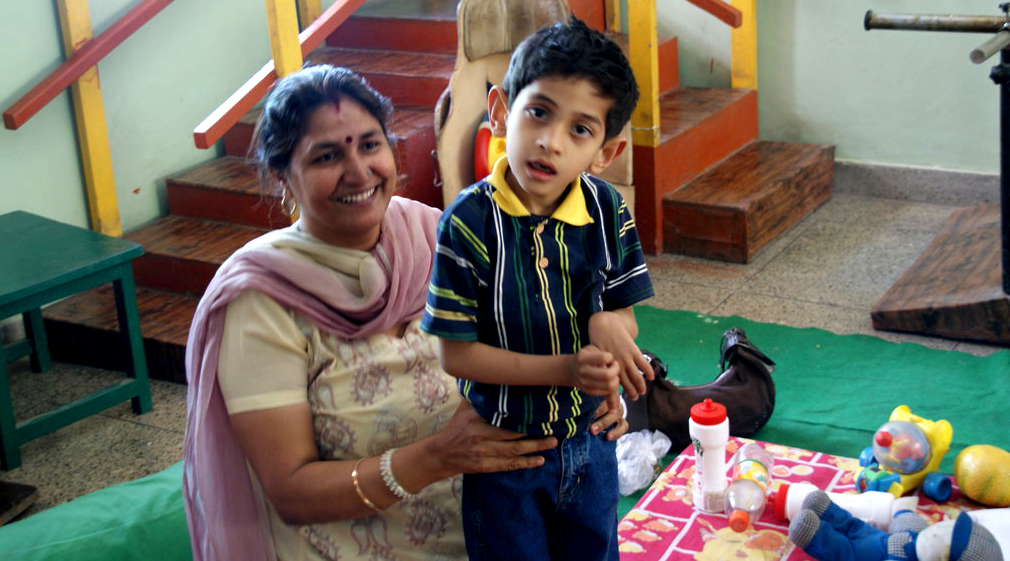
• Empowering Families: Implement structured parent-mediated intervention (PMI) training programs and community-based follow-up through CBR workers.
Conclusion
Children with intellectual disabilities in Odisha, like elsewhere, deserve an enabling environment that fosters their growth, learning, and dignity. While the challenges are many—ranging from infrastructure gaps to social stigma—a concerted effort by the government, healthcare providers, educators, NGOs, and community leaders can make a significant difference. Bridging the urban-rural therapy divide, strengthening early intervention, and empowering families are crucial steps toward an inclusive Odisha where every child, regardless of ability, gets a fair chance at life.
By
Er. Gargi Mishra,
Researcher, Bhubaneswar





Comments
Arun Institute of Rural Affairs
This is a valuable news to know update
Information.
Arun Institute of Rural Affairs
This is a valuable news to know update
Information.