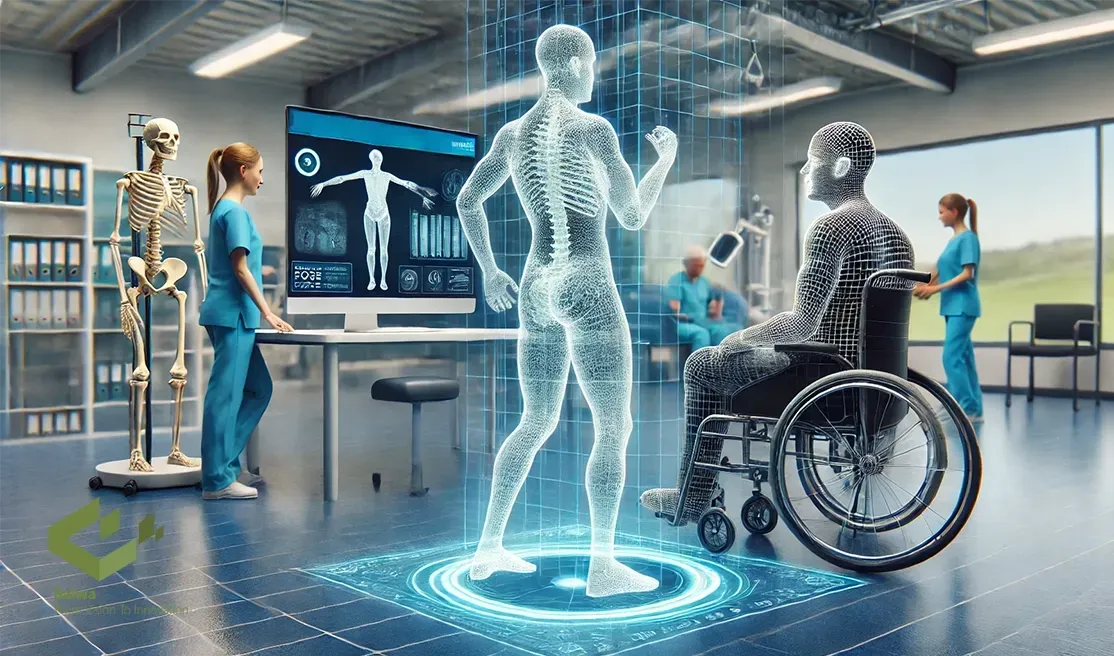

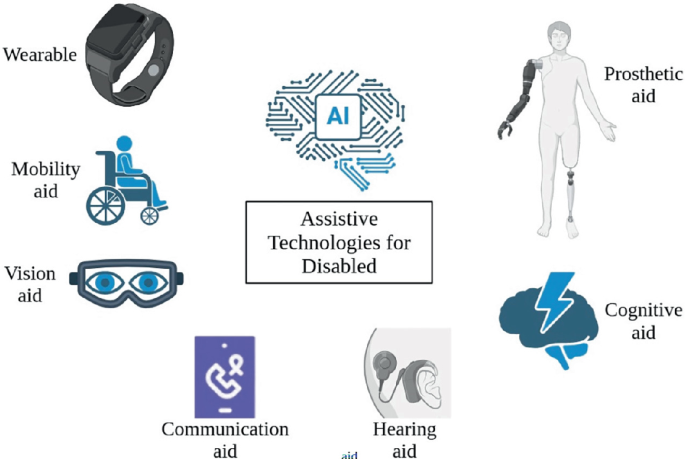
Artificial Intelligence (AI) and related technologies have opened new doors, whether through voice assistants, screen readers, smart wheelchairs, or apps that translate speech to text. Yet, the big question remains: how effective are these solutions in truly creating inclusion?
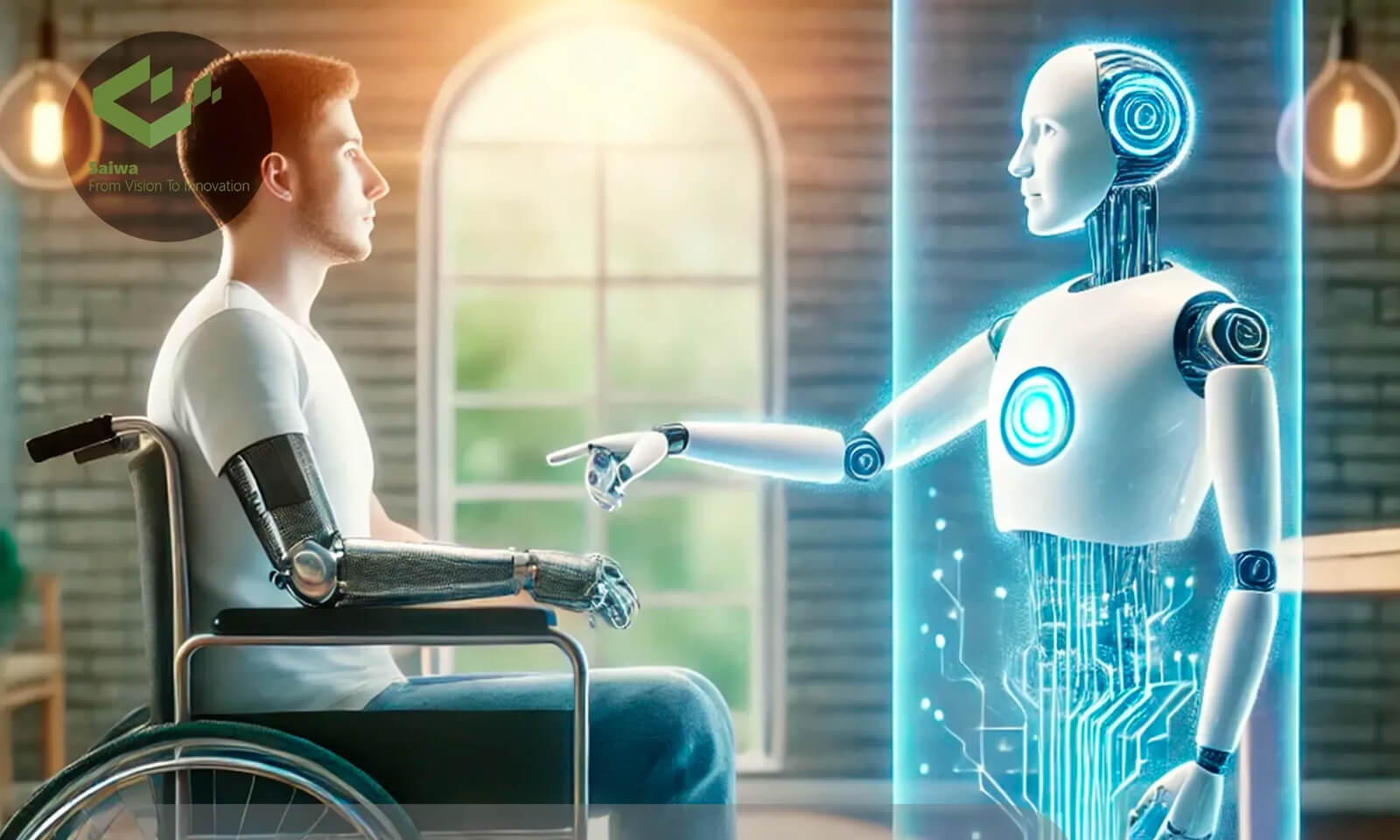

In today’s fast-changing world, technology is shaping the way we live, work, and connect. Among its many promises, one of the most powerful is the ability to make our societies more inclusive for persons with disabilities. Artificial Intelligence (AI) and related technologies have opened new doors, whether through voice assistants, screen readers, smart wheelchairs, or apps that translate speech to text. Yet, the big question remains: how effective are these solutions in truly creating inclusion?
The Promise of Technology
For millions of people with disabilities, daily life is filled with barriers that others hardly notice such as steps instead of ramps, websites that cannot be read by screen readers, or classrooms that don’t provide accessible learning material. AI and tech solutions claim to remove such barriers by offering tools that make environments more user-friendly.
Take for instance voice assistants like Siri, Alexa, or Google Assistant. For a person with limited mobility, these devices can turn on lights, set reminders, or send messages without needing to touch a button. Similarly, AI-powered captioning tools can help persons with hearing impairments follow conversations in real time.
Technology has also made workplaces more accessible. Software now enables employees with visual impairments to read emails and documents through text-to-speech features. Video conferencing platforms have begun integrating live captioning, making meetings more inclusive. In education, digital learning platforms can convert text into audio, enlarge fonts, or even provide sign-language avatars, ensuring that no student is left behind.
Measuring the Effectiveness
While the promise is exciting, effectiveness must be judged not only by what technology can do but also by how widely it can be accessed and how easy it is to use.
- Accessibility vs. Affordability
One of the biggest challenges is cost. Advanced screen readers, smart prosthetics, or AI-driven wheelchairs can be life-changing but are often priced far beyond what the average family can afford, especially in developing countries. For technology to be effective, it must be affordable and available to those who need it most. - Usability in Local Contexts
Many AI tools are designed in Western countries and may not work well in places like India. For example, speech-recognition software may struggle with regional accents or languages. Automatic captioning may work smoothly in English but not in Hindi, Assamese, or other Indian languages. This limits how useful the technology really is in practice. - Bridging the Digital Divide
Access to technology assumes that people have internet connectivity, smartphones, or laptops. But many persons with disabilities live in rural areas with poor connectivity and limited resources. If technology requires high-speed internet, it excludes a large population that needs it most. - Training and Awareness
Even when technology is available, not everyone knows how to use it. Persons with disabilities, their families, and even institutions often need training. Without awareness and support, the most advanced technology may remain underutilized.
Success Stories
Despite these hurdles, there are inspiring success stories. In India, AI-powered apps like Saksham and Voice Dream Reader have helped visually impaired students access books and academic material. Start-ups are creating affordable prosthetic limbs using 3D printing. Government initiatives are also pushing for accessible digital platforms, inspired by the Rights of Persons with Disabilities Act, 2016.
Globally, Microsoft’s “Seeing AI” app narrates the world for people with visual impairments by describing scenes, text, and even people’s emotions. Google’s AI-powered “Live Transcribe” instantly converts speech into text in multiple languages, empowering those with hearing difficulties. These examples show that when technology is thoughtfully designed, it can be a real game-changer.
The Roadblocks Ahead
Still, the road to full inclusion through technology is far from smooth. Some of the pressing issues include:
- Lack of Standardisation: Different platforms have different accessibility features, making it hard for users to switch between devices.
- Data Privacy: Many AI tools collect personal data. Persons with disabilities may be more vulnerable if privacy protections are weak.
- Over-Reliance on Technology: Tech alone cannot change attitudes. Societal stigma and lack of empathy continue to be major barriers.
The Way Forward
To evaluate effectiveness, we must ask: does the technology actually make daily life easier, and is it accessible to the majority? If the answer is only yes for a privileged few, then much more needs to be done.
Governments have a role in creating policies that encourage the development and distribution of affordable assistive technology. Companies must focus on universal design which implies introduce products and services that work for everyone, not just a niche audience. Universities and research centres can play a role in developing AI solutions tailored to local needs, languages, and cultures.
Most importantly, persons with disabilities must be part of the design and testing process. Too often, solutions are created “for” them rather than “with” them, leading to products that do not match real-life needs. Inclusion in design is the key to ensuring effectiveness in practice.
Conclusion
AI and technology solutions for disability inclusion are not magic wands, but they are powerful tools. They hold the promise of independence, dignity, and equality. Yet their effectiveness depends on affordability, accessibility, cultural adaptability, and user participation.
The real measure of success is not how advanced the technology is, but how many lives it touches and improves. If society can bridge the gaps of cost, training, and accessibility, then AI and tech will not just be about machines but they will be about empowering human potential.