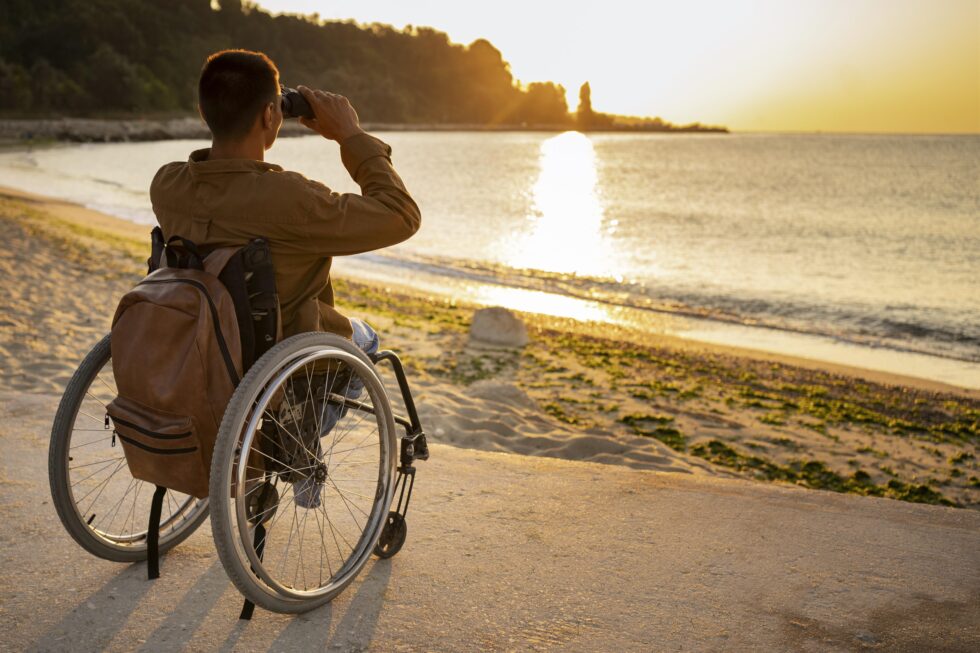

Urinary Tract Infection (UTI) are common and serious complications in neurogenic bladder due to spine injury patients.

Dr. Debabrata Routray
Senior Consultant
Department of Urology
KIMS Super Specialty Hospital
Bhubaneswar
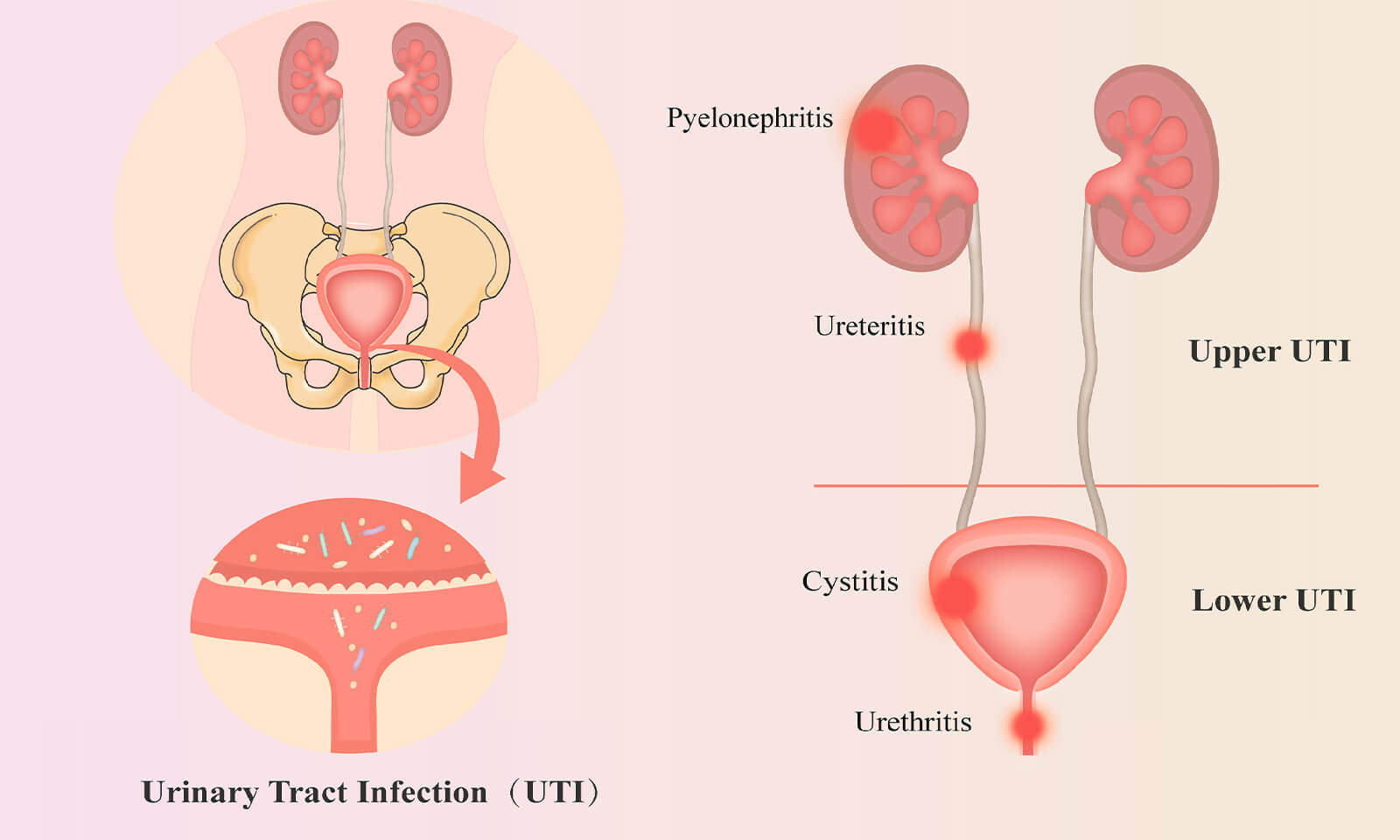
Urinary Tract Infection (UTI) are common and serious complications in neurogenic bladder due to spine injury patients. So, management involves both (1) treating and preventing infection, (2) Addressing the underlying bladder dysfunction.
UTI are more common due to
(a) Incomplete bladder emptying leading to chronic painless urinary retention.
(b) High resting bladder pressure progressing to VUR.
(c) Frequent catheter use leading to entry of pathogens.
(d) Impaired immune response.
Diagnosis
Classical LUTS are usually absent. Asymptomatic bacteria are common and may not require treatment until otherwise complications develops or requiring any urological intervention.
Blood investigations including rend parameters. Urine C/S, uroflowmetry, urodynamic study, ultrasound of KUB.
Treatment
(1) Antibiotic therapy – based on urine culture and sensitivity pattern.
Prophylactic antibiotic therapy like Trimethoprim – sulfamethoxazole, Nitrofurantoin, quinolone groups (Ciprofloxacin, Levofloxacin)
(2) Bladder dysfunction management – Foley’s indwelling catheter or clean intermittent catheterization(CIC). So, CIC mostly preferred method.
(3) Preventive Measures –
(i) Anticholinergic (Solifenacin) if resting bladder pressure is high.
(ii) Fluid intake less than (2 lit – 3 lit / day)
(iii) Cranberry product (cran berry + D – mannose)
(iv) Probiotic (as UTI prophylaxis)
(v) Methenamine Hippurate – urinary antiseptics (recent molecule)
(vi) Bladder irrigation with Normal saline.
(vii) Botox injection to reduce bladder pressure.
Follow up
Regular follow up with renal ultrasound and blood investigations (renal function Test)
Surveillance with urine culture recommended in symptomatic patients.
Complications
– Recurrent UTI
– Evidence of upper unary tract involvement.
– Rend impairment leading to renal failure
– Bladder stone
– Hematuria.