Among the most vulnerable to such exploitation are persons with disabilities, who often face compounding layers of marginalization, due to poverty, lack of legal protection, societal stigma, and institutional exclusion. This intersection of disability and modern slavery is underreported but alarmingly pervasive.
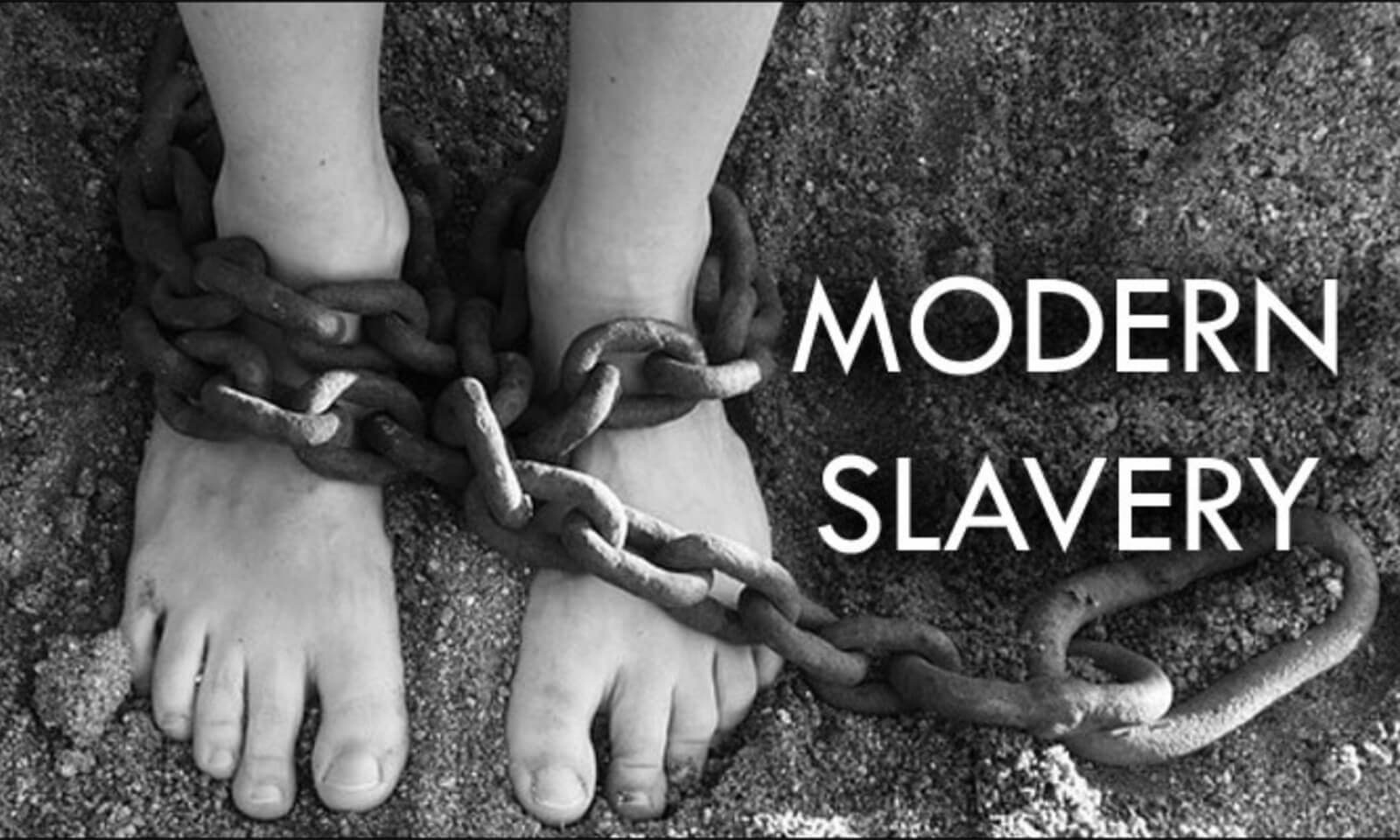
Modern day slavery, encompassing practices such as forced labour, debt bondage, human trafficking, and involuntary servitude, affects millions of people globally. Among the most vulnerable to such exploitation are persons with disabilities, who often face compounding layers of marginalization, due to poverty, lack of legal protection, societal stigma, and institutional exclusion. This intersection of disability and modern slavery is underreported but alarmingly pervasive.
Horrors of Modern Slavery from Progressive and Modern USA
By Michael Ashley Stein, Janet Lord, Paras Shah and Clara Apt
Published on October 25, 2024 (https://www.justsecurity.org/104302/disability-slave-trade-podcast/)
For five years, Christopher Smith, a man with intellectual disabilities, was forced to work over 100 hours a week without pay at a restaurant in South Carolina. During this time, he endured verbal and physical abuse from his employer. Smith’s story is not unique. Around the world, countless persons with disabilities suffer modern forms of slavery, including forced labour, organized begging, sexual exploitation, and even imprisonment by caregivers. While some of these atrocities are prosecuted in national courts, international criminal law also plays a crucial role in ensuring accountability for grave abuses, including the crime of slave trade. Recognizing this, the Prosecutor of the International Criminal Court (ICC) is developing a new Slave Crimes Policy, aiming to be “survivor-centred, trauma-informed, and gender-competent.”
Definitions and Overlaps:
Modern Slavery and Disability
Modern Slavery includes situations where individuals cannot refuse or leave work due to threats, coercion, violence, deception, or abuse of power.
It includes:
- Forced labour
- Human trafficking
- Debt bondage
- Domestic servitude
- Child labour
- Forced marriage
Disability, whether physical, sensory, intellectual, or psychosocial, often increases vulnerability to such conditions due to:
- Social exclusion and dependence
- Lack of access to education and employment
- Institutionalization or isolation from families
- Discrimination and dehumanization
Forced Labour and Exploitation
South Asia (India, Pakistan, Bangladesh):
In brick kilns, garment factories, and agriculture, persons with disabilities are often trapped in debt bondage, where generations of families—including children with disabilities—work to repay impossible loans. Disabled individuals are considered “less likely to escape” and are thus kept under tighter control.
Example: In India, reports from NGOs like Human Rights Watch have highlighted instances where disabled children were trafficked into begging rings or used in informal labour markets where no protections exist. In some cases, they were deliberately maimed to increase begging revenue.
Gulf States (UAE, Saudi Arabia, Qatar):
Migrant workers with disabilities, particularly from African and South Asian countries, face forced domestic labour or are abandoned without healthcare.
Undocumented status and a lack of legal pathways to challenge abuse make disabled workers especially vulnerable.
Example: A Kenyan woman with a physical disability was recruited as a domestic worker in Saudi Arabia but was confined indoors without pay, medical care, or mobility aids. After a failed escape, she was further beaten and denied return.
Institutional Slavery and Disability
Europe and the United States:
In some cases, disabled individuals in care homes or psychiatric institutions are subjected to exploitative labour under the guise of therapy or vocational training. They are often paid far below minimum wage or not paid at all.
Example: In the U.S., investigations have found sheltered workshops paying people with intellectual disabilities less than $1/hour, citing productivity quotas. The 2013 Iowa case involving Henry’s Turkey Service exposed decades of abuse and underpayment of men with intellectual disabilities housed in unsafe conditions and forced to work in meatpacking under supervision.
Eastern Europe (Russia, Ukraine, Romania):
Orphanages and psychiatric institutions often warehouse disabled people for life. These institutions are underfunded and rife with abuse. Labour tasks such as farming, cleaning, or textile work are mandated without remuneration.
Example: In Moldova and Romania, Human Rights Watch has documented children with disabilities forced to work in state-run institutions, sometimes subjected to physical punishment for resistance.
Example: In India, institutional slavery of persons with disabilities remains a hidden but pervasive issue. Though seldom labelled as slavery, the forced confinement and exploitation of disabled individuals in shelters, care homes, and private institutions show all the signs of modern bondage. Many, especially those with psychosocial or intellectual disabilities, are institutionalized without consent, often for life, due to outdated laws, stigma, or family pressure, despite community-based alternatives. Inside these institutions, unpaid labour is disguised as rehabilitation, and abuse is rampant. Reports reveal physical and sexual violence, forced medication, and restraint. The 2001 Erwadi fire tragedy, where 26 chained patients died, exposed the extent of neglect. While progressive laws like the RPWD Act (2016) and Mental Healthcare Act (2017) promise autonomy and community living, enforcement is weak. India still lacks a national deinstitutionalization plan, leaving thousands trapped in systems of care that often resemble captivity.
Child Trafficking and Disability
Children with disabilities are at high risk of trafficking for begging, sex work, or domestic servitude, particularly in parts of Africa, South Asia, and Southeast Asia.
Example: In Nigeria, children with albinism, are kidnapped and sold for ritualistic purposes. In East African countries like Tanzania, myths around albinism have led to body part trafficking.
Example: In Cambodia and Vietnam, disabled children are trafficked into neighboring countries, especially Thailand, for begging. Often, they are “owned” by gangs who control and exploit them using physical threats.
Example: In India, it is a grave and often invisible crisis, with children with disabilities facing heightened risks due to poverty, neglect, and systemic gaps. Traffickers target them for forced begging, sometimes maiming them to increase sympathy-driven earnings.
Others face sexual exploitation or are trafficked into domestic servitude under the guise of care. Religious institutions also exploit disabled children for rituals and profit. Weak oversight in child care homes and shelters allows traffickers to exploit unregistered or undocumented disabled children. Despite protections under laws like the Juvenile Justice Act, RPWD Act (2016), and POCSO Act (2012), enforcement remains inadequate, and support services are poorly equipped to handle trauma in children with communication or cognitive impairments.
Women with Disabilities in Forced Marriage and Sexual Slavery
Conflict zones (DR Congo, Syria, Iraq):
Women and girls with disabilities are disproportionately targeted for sexual exploitation and forced marriage, especially in war zones where they are seen as easy prey.
Example: In territories formerly controlled by ISIS, Yazidi women with disabilities were abducted and subjected to repeated sexual assault and domestic slavery.
South Asia and Africa:
In communities where a woman’s “value” is tied to marriage, disabled women are often forced into marriages of convenience or exploitation, often to older or abusive men, or for dowry compensation.
Example: In rural India and Bangladesh, disabled girls are often married off to men in exchange for financial compensation, and many end up in abusive, enslaving conditions without legal redress.
Digital and Hidden Forms of Modern Slavery
The rise of the digital economy has brought new avenues for exploitation, including online labour trafficking and cybersex trafficking, forms in which disabled individuals are not spared.
Example: In the Philippines, there have been cases of intellectually disabled persons being kept in captivity and used in live-streamed sexual abuse for paying foreign customers.
Example: In India, there have been cases where disabled individuals are filmed, abused, or made to perform degrading tasks on live-streaming platforms in exchange for money. These acts are often recorded in institutions, homes, or shelters and shared for profit or blackmail, with the victim unaware or unable to consent. Forced online labour is another dimension, some disabled persons are made to operate phones, answer customer service calls, or engage in digital piecework (e.g., data entry or CAPTCHA solving) under exploitative conditions. These jobs often pay nothing or are controlled by guardians, middlemen, or institutional heads who appropriate all earnings. The marriage racket involving disabled women also has digital elements. Victims are identified through matrimonial sites or social media, lured with false promises of marriage, and trafficked to Gulf countries where they are enslaved—either as domestic workers, sexual labourers, or caretakers.
Legal Blind Spots and Policy Gaps
Globally, disability is often missing from anti-trafficking and anti-slavery legislation. Some problems include:
- Lack of disaggregated data on disability in modern slavery reports
- No inclusive training for police or rescue workers
- Legal systems that declare persons with disabilities as “unfit” to testify
- Deportation or institutionalization of rescued individuals with disabilities
- Poor coordination between disability rights and anti-slavery sectors
Resistance and Rehabilitation
Despite these horrors, survivors and organizations have been working tirelessly to raise awareness and demand accountability.
Example: The organization Disability Rights International has exposed systemic abuses in Latin America and Eastern Europe, including forced sterilizations, trafficking, and institution-based slavery.
Example: In Nepal, the NGO Blind Women Association has highlighted the trafficking of women with visual impairments and built peer-support networks for rehabilitation.
Recommendations
Modern slavery and disability intersect in cruel and complex ways, enabled by deep-seated ableism, poverty, legal invisibility, and institutional failure. Recognizing this hidden population is essential in ending slavery in all its forms. Global anti-trafficking efforts must integrate a disability rights lens, ensure accessible services, and uphold the dignity and autonomy of all individuals, regardless of ability.
1. Inclusive Legislation: Mandate disability disaggregation in anti-slavery laws and monitoring.
2. Accessible Reporting Mechanisms: Design survivor services and hotlines that include people with communication and mobility challenges.
3. Disability-Inclusive Rescue and Rehabilitation: Train law enforcement and social workers in inclusive practices.
4. Cross-Sector Collaboration: Foster partnerships between disability advocacy groups and anti-slavery organizations.
5. Empower Survivors: Support vocational and psychological rehabilitation tailored to survivors with disabilities.
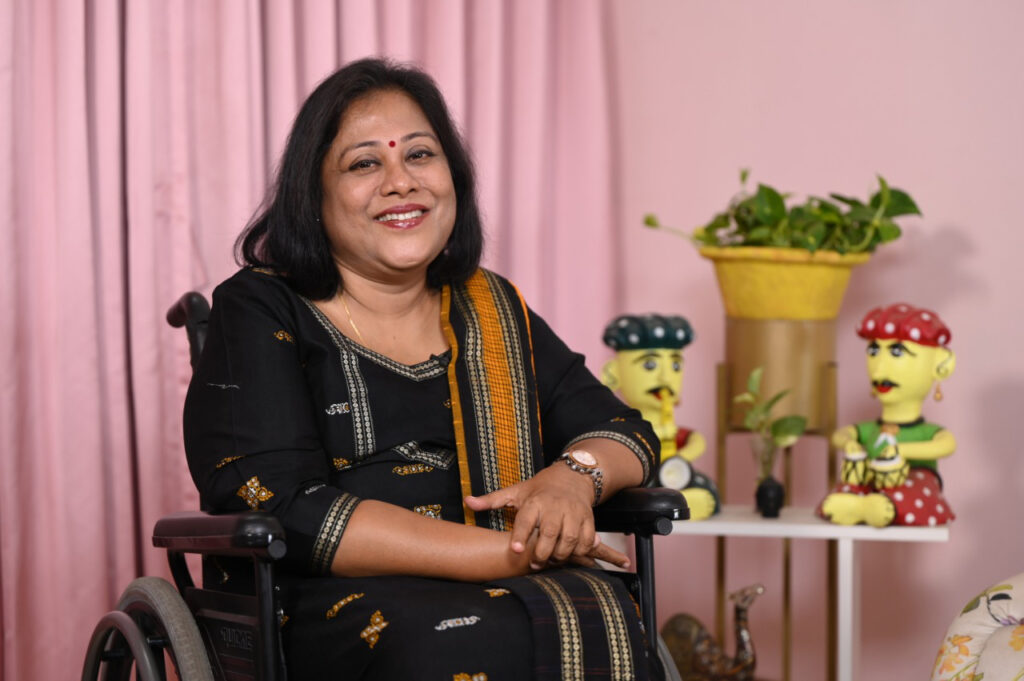
Dr. Sruti Mohapatra
Founder and CEO, Swabhiman, Bhubaneswar
Member, National Focus Group – Inclusive Education (NCF-NEP 2020), ME, GoI
Board Member, National Council of Teacher Education (NCTE), ME, GoI
Member, National Mentoring Mission, ME, GoI
Vice Chair, Commonwealth Disabled People’s Forum (CDPF), London
Vice Chair, Disabled People’s International-India, Consultative Status UN
Convenor Odisha State Disability Network, H:O Bhubaneswar