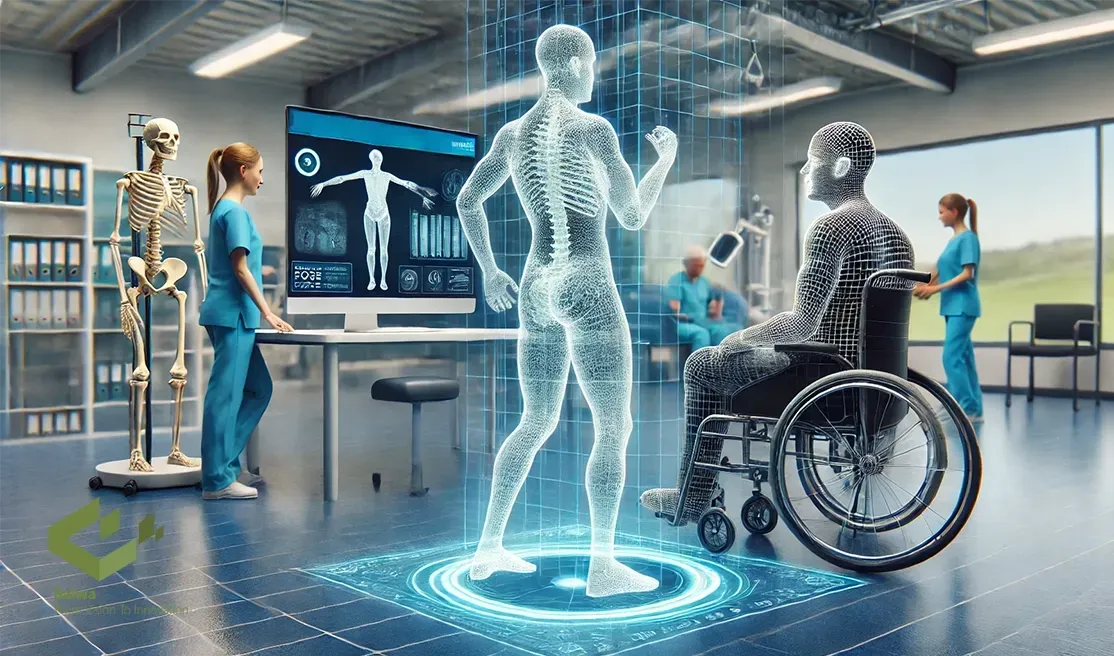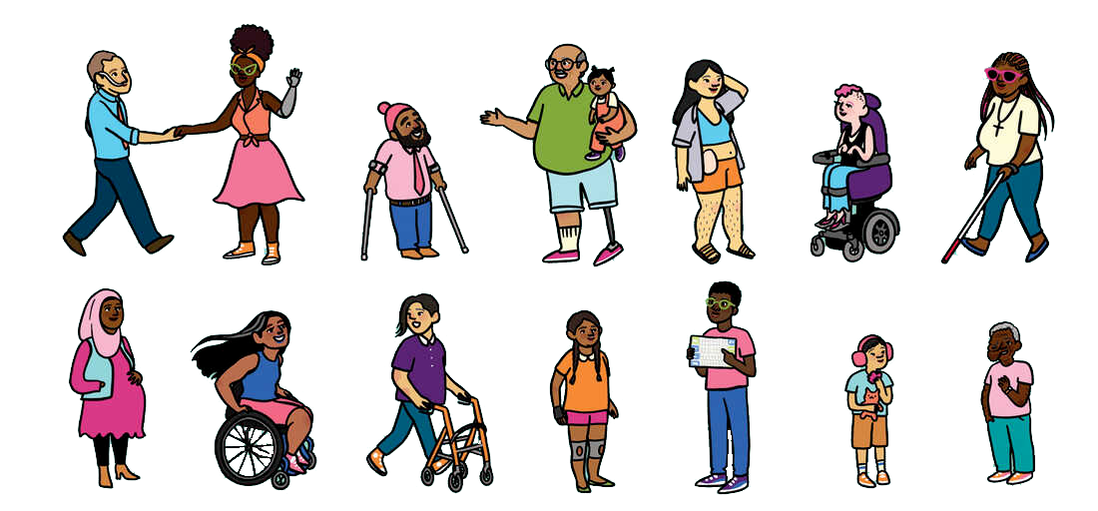

There have been some remarkable technological and medical advancements in the U.S. that are transforming life for individuals with disabilities. These innovations are not just tools—they’re gateways to independence, dignity, and full participation in society.
Collected by
Er. Pradip Kumar Mohapatra
16534 nw oak creek drive,
Beaverton, Oregon, USA 97006

There have been some remarkable technological and medical advancements in the U.S. that are transforming life for individuals with disabilities. These innovations are not just tools—they’re gateways to independence, dignity, and full participation in society.
Technological Advancements: Breaking Barriers with Innovation
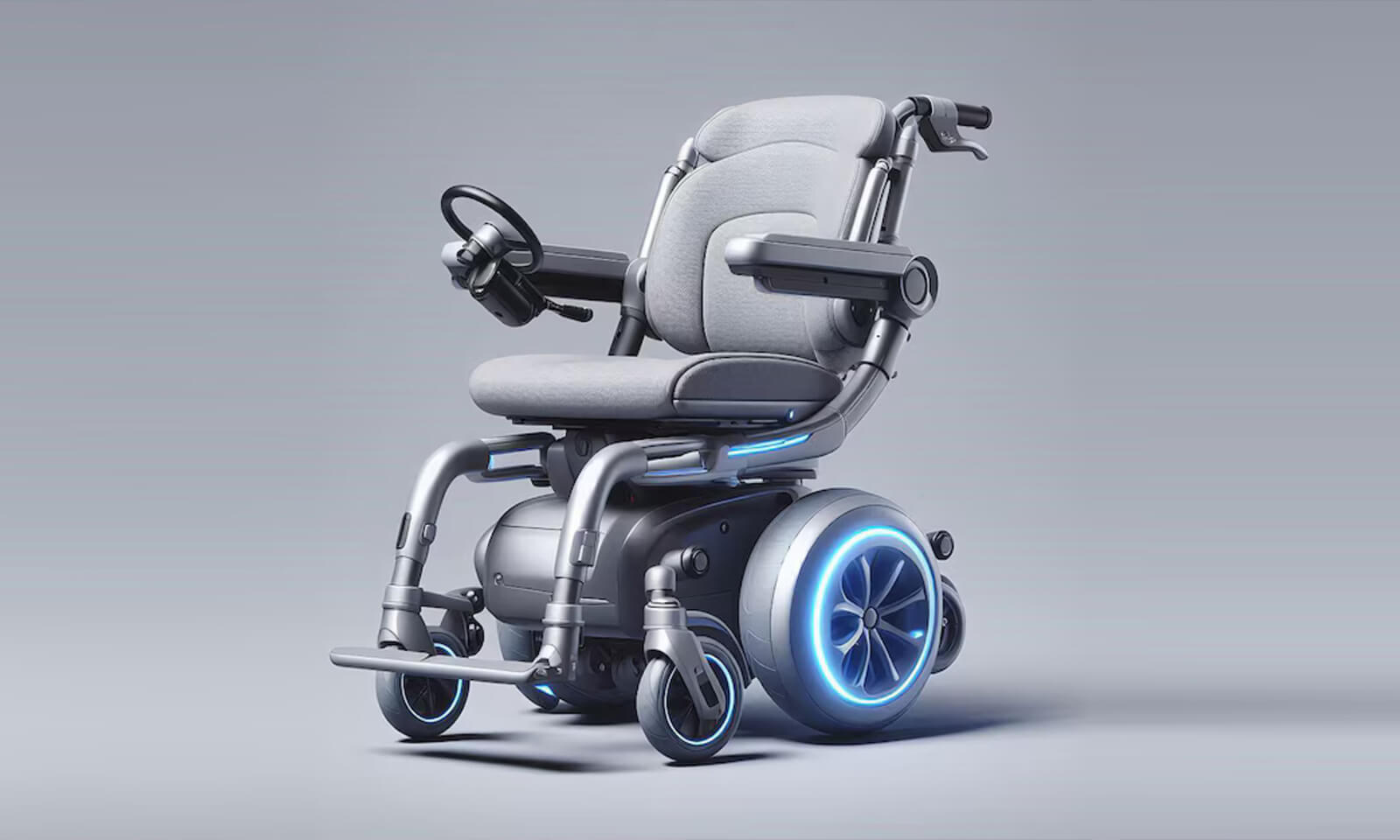
1. AI-Powered Smart Wheelchairs
Today’s smart wheelchairs are equipped with:
- Obstacle detection sensors
- GPS navigation
- Voice control and smart home integration
Companies like WHILL and LUCI are leading the charge, offering models that learn user patterns and optimize routes for safer, more intuitive movement.
2. Brain-Computer Interfaces (BCIs)
Imagine controlling a computer or wheelchair with your thoughts. BCIs translate brain signals into digital commands, enabling, like the one you must have seen with great scientist Dr. Stephen Hawking.
- Cursor movement
- Text input
- Device control
This is revolutionary for individuals with severe physical impairments, and companies like Neuralink are pushing the boundaries.
3. Wearable Exoskeletons
Once confined to labs, robotic exoskeletons are now helping people with spinal cord injuries walk again. These suits:
- Improve mobility and circulation
- Boost mental health
- Support rehabilitation
Ekso Bionics and ReWalk Robotics are making these devices more accessible and lightweight.
4. Smart Glasses for Captioning and Object Recognition
Devices like XRAI Glass and Envision offer:
- Real-time captioning for the deaf and hard of hearing
- Object and text recognition for the blind
- Seamless smartphone integration.
These glasses empower users to navigate the world with confidence and clarity.
5. Adaptive Gaming and Communication Tools
From the Xbox Adaptive Controller to AAC apps like Proloquo and Voiceitt, technology is opening doors to:
- Inclusive gaming experiences
- Predictive, personalized
communication for non-verbal individuals.
Medical Advancements: Precision, Accessibility, and Empowerment
1. NSF’s Convergence Accelerator Program
The National Science Foundation has invested $30 million into assistive and rehabilitative technologies that:
- Restore limb function
- Improve text-to-speech systems
- Enhance transportation for the visually impaired .
These projects are designed with direct input from disabled communities, ensuring real-world impact.
2. Tele health and Remote Monitoring
Telemedicine has become a lifeline, especially for those with mobility challenges. Key features include:
- Virtual consultations
- Remote diagnostics
- Wearable health trackers
This reduces the need for travel and increases access to specialists.
3. Customized Prosthetics and 3D Printing
Modern prosthetics are now:
- Tailored to individual anatomy
- Embedded with sensors for feedback
- Produced using 3D printing for affordability and precision
These devices restore not just function but also confidence.
4. Mental Health Tech for Neurodiverse Populations
Apps and platforms are emerging to support individuals with autism, ADHD, and other neurodiverse conditions. They offer:
- Cognitive behavioral therapy modules
- Social skills training
- Real-time emotional regulation tools
The Bigger Picture: Integration and Inclusion
These advancements aren’t isolated—they’re part of a broader movement toward universal design and inclusive innovation. The convergence of AI, robotics, and healthcare is reshaping what’s possible, ensuring that disability is no longer a limitation but a dimension of human diversity.