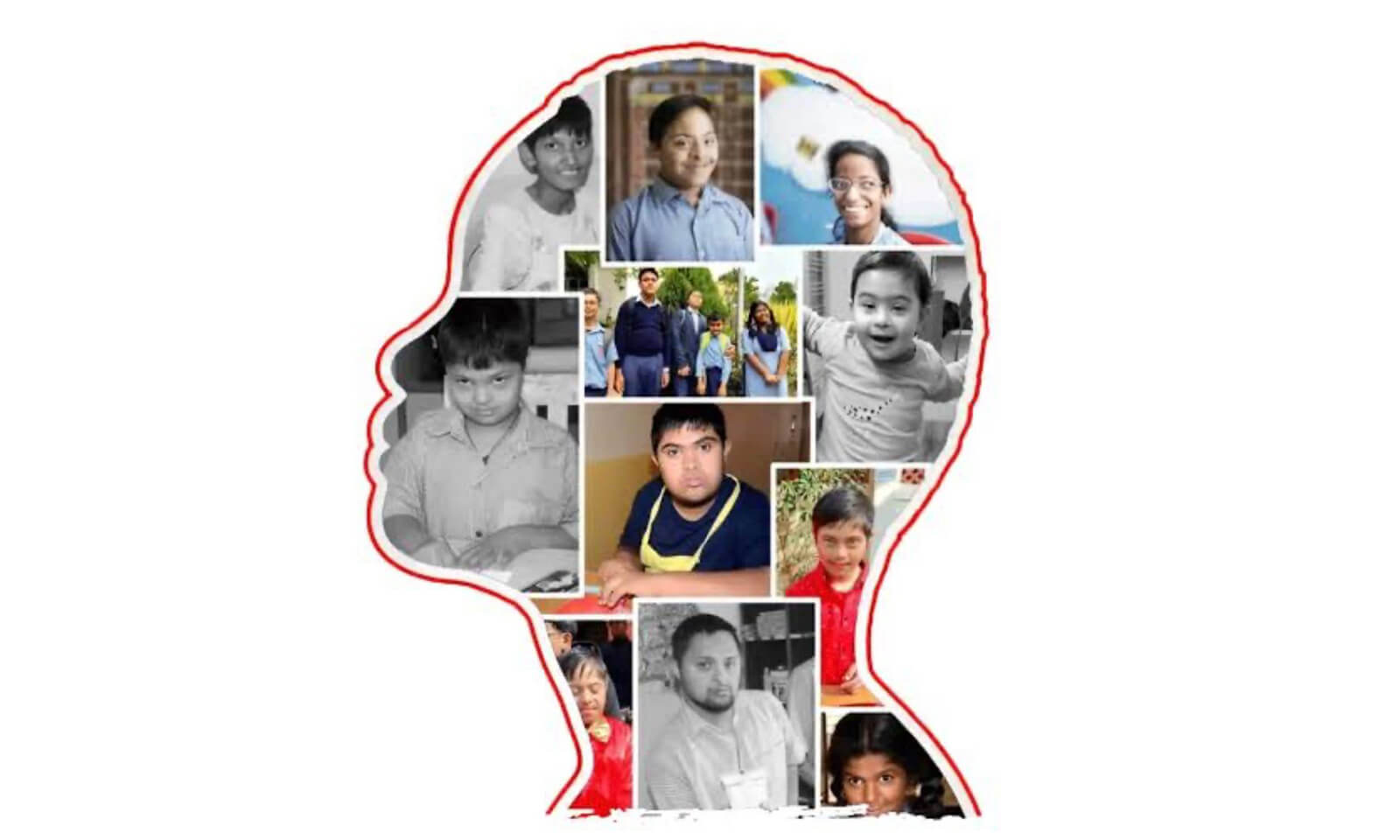
These challenges often become apparent in childhood and can have a significant impact on various aspects of development, from speech and motor skills to social interaction and cognitive abilities.
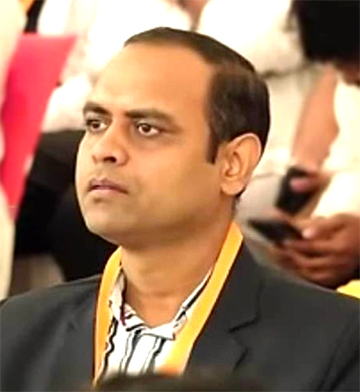
Dr. Durga Prasad Mishra
DEAN, Dept. of Occupational Therapy & Physiotherapy
DREAMS University
Developmental disorders encompass a broad range of conditions that affect how children grow, learn, communicate, and behave. These challenges often become apparent in childhood and can have a significant impact on various aspects of development, from speech and motor skills to social interaction and cognitive abilities. However, as stories of children like Rohan and Aarav show, these conditions are not roadblocks to success but unique paths of growth waiting to be nurtured with understanding, support, and care.
The Story of Rohan: An 8-Year-Old’s Journey of Discovery
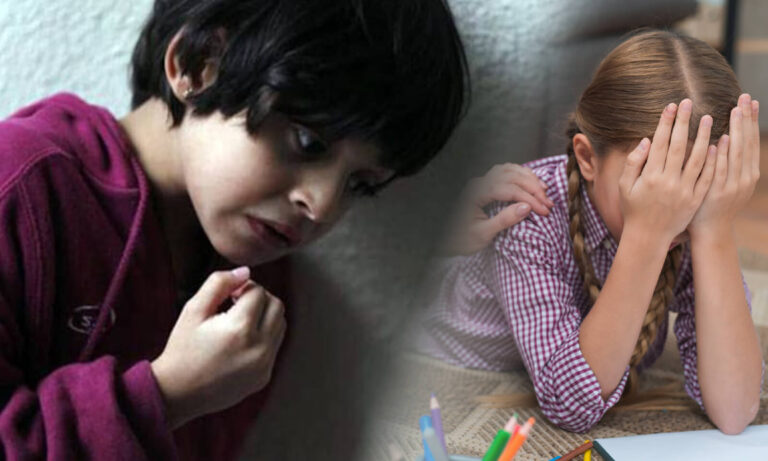
Rohan, an 8-year-old boy, is cheerful and curious. His love for building blocks is evident; he can spend hours creating intricate patterns. However, when it comes to speaking in full sentences, reading aloud in class, or even tying his shoelaces, Rohan faces difficulties. His parents initially thought he was a “late bloomer,” but as time passed, they realized his struggles were more significant.
Rohan’s challenges led to a diagnosis of Autism Spectrum Disorder (ASD) and a speech delay with sensory processing issues. While his story is unique, it reflects the struggles many children with developmental disorders face. Early intervention, in Rohan’s case, made a world of difference.
With therapy, patience, and understanding, from both his family and school, Rohan learned to communicate better and participate in classroom activities. His love for patterns eventually blossomed into an interest in computers, showing that children with developmental disorders often have incredible potential waiting to be unlocked. Today, Rohan’s parents no longer see him through the lens of “problems” but as a child with unique strengths and challenges.
What Are Developmental Disorders?
Developmental disorders refer to a group of conditions that affect how children develop essential skills, from motor coordination and communication to cognitive abilities and social interaction.
These disorders often become apparent during early childhood and can affect:
- Speech and language: Trouble with talking or understanding words.
- Motor skills: Challenges with movement, balance, and coordination.
- Cognitive skills: Difficulties with thinking, learning, and problem-solving.
- Social and emotional behaviour: Struggles with relationships, communication, or handling emotions.
Importantly, these conditions are not a result of poor parenting or lack of effort. Instead, they are caused by a combination of genetic, neurological, and environmental factors. Early detection and intervention can drastically improve the life outcomes of children like Rohan.
Common Types of Developmental Disorders
There are several types of developmental disorders, each presenting unique challenges:
1. Autism Spectrum Disorder (ASD):
Children with ASD often face challenges in communication, social interaction, and may engage in repetitive behaviours. Rohan’s preference for routines and distress when those routines were disrupted is a typical characteristic of ASD.
2. Attention Deficit Hyperactivity Disorder (ADHD):
Children with ADHD may struggle to focus, control impulses, or sit still, often appearing energetic but misunderstood as disruptive.
3. Learning Disabilities:
This includes conditions like dyslexia (difficulty reading), dyscalculia (difficulty with math), and dysgraphia (difficulty with writing). Children may struggle academically despite being intelligent.
4. Intellectual Disabilities:
Characterized by below-average intellectual functioning and challenges with everyday tasks, children with intellectual disabilities benefit from support in learning life skills and achieving greater independence.
5. Communication Disorders:
This includes delays in speech or difficulties with using and understanding language.
6. Motor Disorders:
Conditions like dyspraxia (difficulty with planning movements) or tic disorders affect coordination and body control.
Recent Advances in Understanding and Treating Developmental Disorders
Over the years, significant progress has been made in understanding and treating developmental disorders.
These advancements are providing new hope for children and families affected by these conditions:
1. Genetic Insights into Autism:
Research into genetic factors, such as the identification of the DDX53 gene linked to autism, is paving the way for more personalized treatments and earlier, more accurate diagnoses.
2. Advancements in Diagnostic Tools:
The development of technologies like EEG-based diagnostic interfaces is enhancing the ability to diagnose ADHD more precisely, providing objective data that can complement traditional clinical assessments.
3. Personalized Approaches:
Tailoring interventions to an individual’s unique genetic makeup and specific needs is becoming a prominent approach in treating developmental disorders, particularly autism.
The Importance of Early Detection and Intervention
Rohan’s story underscores the importance of early intervention. His teachers first noticed his delays in reading and writing, prompting his parents to consult a specialist. After evaluation, he received a diagnosis of mild autism and a speech delay. This diagnosis opened the door to early intervention therapies, which were critical in helping Rohan overcome his challenges.
Early intervention programs, such as occupational therapy, speech therapy, and behavioural support, allow children to develop essential skills during a time when their brains are highly adaptable. With the right support, children can build coping strategies, enhance their strengths, and navigate their challenges.
Supporting Children with Developmental Disorders: A Holistic Approach
Supporting children with developmental disorders requires a coordinated effort from parents, educators, and society at large.
At Home:
- Encourage strengths: Rohan’s parents recognized his talent with building blocks and celebrated his creativity, boosting his confidence.
- Break tasks into manageable steps: Small, achievable goals help reduce frustration and build a sense of accomplishment.
- Maintain routines: Predictability and consistency help children feel secure and reduce anxiety.
At School:
- Adapt teaching methods: Visual aids, extra time for tasks, and other modifications can help children with developmental disorders succeed academically.
- Foster inclusive classrooms: Creating an inclusive environment reduces isolation and promotes acceptance.
- Peer awareness programs: These programs teach empathy, reducing the stigma around developmental disorders and promoting positive interactions among students.
In Society:
- Raising awareness: Increased understanding of developmental disorders helps reduce stigma and misconceptions.
- Accessible public spaces: Ensuring that public spaces and services are accessible makes life easier for families affected by developmental disorders.
- Encouraging inclusivity in activities: Offering opportunities for children to participate in sports, arts, and other community activities makes them feel valued and included.
Aarav’s Journey: A Story of Hope
Aarav, a 5-year-old boy from Bhubaneswar, India, provides another inspiring example of the power of early intervention. After his parents noticed signs of delayed speech and difficulties with eye contact, they sought help, and Aarav was diagnosed with Autism Spectrum Disorder. With Occupational therapy, speech therapy and behavioral interventions, he began to make significant strides.
Aarav’s story exemplifies how, with the right support and understanding, children with developmental disorders can progress and thrive. His parents, teachers, and community played key roles in helping him develop vital skills. Today, Aarav remains a curious, happy child, continuing his exploration of the world around him.
Conclusion: A Future of Possibilities
Developmental disorders are not barriers to success but rather different pathways of growth. Like Rohan and Aarav, every child has unique strengths that, when nurtured, can lead to incredible achievements. The advances in research, diagnostic tools, and therapies offer new hope for children and families. But, just as importantly, it’s our collective responsibility as a society to offer understanding, support, and acceptance.
By fostering an environment that embraces differences, we can ensure that children with developmental disorders have the opportunity to lead fulfilling lives. As we continue to learn, grow, and adapt our approaches, the future for children like Rohan and Aarav is brighter than ever.