
In the end, mental health is not about being unbreakable — it’s about learning how to heal.
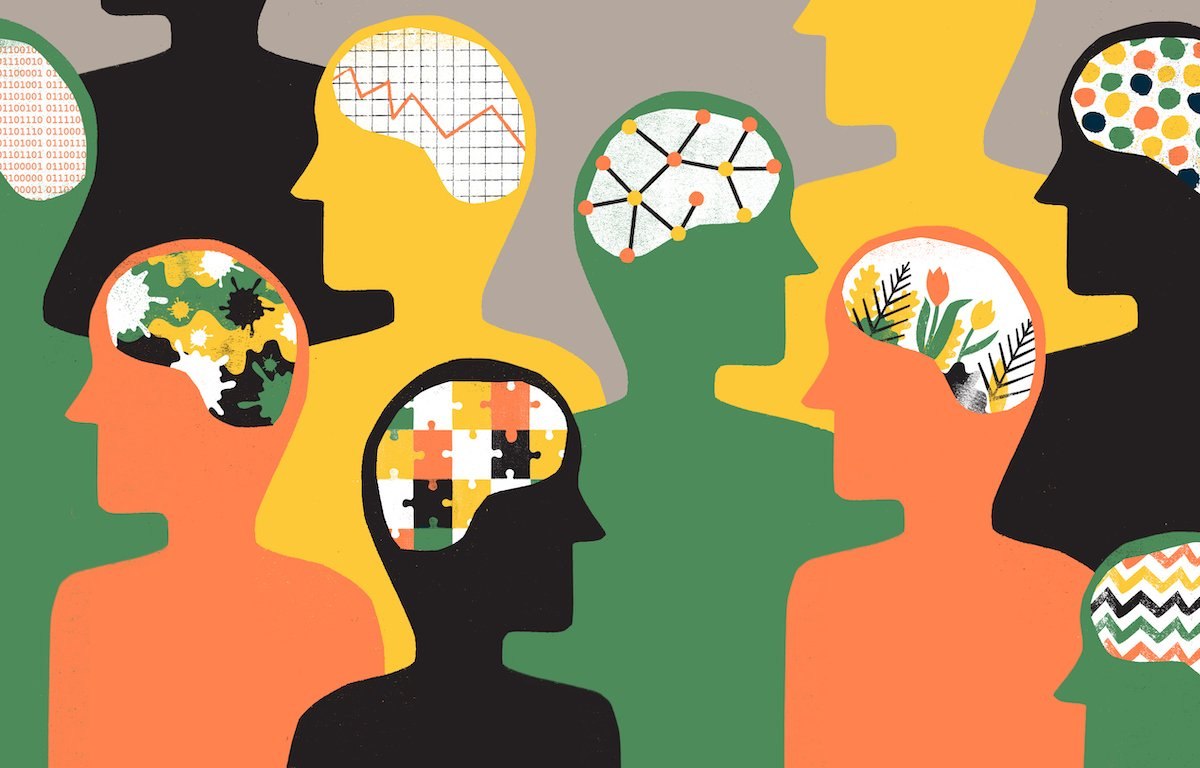
Mental health is an integral part of our overall well-being. It encompasses our emotional, psychological, and social functioning — shaping the way we think, feel, and act. Just as physical health determines the body’s ability to function, mental health determines how effectively we handle stress, relate to others, and make decisions. In recent years, mental health has shifted from being a neglected topic to a global priority, yet, stigma, misinformation, and lack of resources continue to cast long shadows over mental wellness.

Dr. Swoyamsiddha Dash
Psychiatrist, SCB Medical College and Hospital, Cuttack, 7978144890
The World Health Organization (WHO) defines mental health not merely as the absence of mental illness but as “a state of well-being in which every individual realizes their own potential, can cope with the normal stresses of life, can work productively and fruitfully, and is able to contribute to their community.”
This definition moves beyond the medical model to a holistic understanding — viewing mental health as a dynamic balance of mind, body, and environment. It recognizes that mental well-being is influenced by biological, psychological, and social factors, often referred to as the biopsychosocial model.
Mental health affects learning, productivity, relationships, and even physical health. People with good mental health tend to lead more satisfying lives, build stronger relationships, and adapt better to change. Conversely, poor mental health contributes to a wide range of problems — from low academic or occupational performance to social withdrawal, substance abuse, and chronic diseases.
Mental health disorders exist on a spectrum, ranging from mild stress reactions to severe, chronic psychiatric conditions. Some of the most prevalent disorders include:
Depression – Characterized by persistent sadness, loss of interest, and low energy. It often leads to feelings of hopelessness and, in severe cases, suicidal thoughts.
Anxiety Disorders – Including generalized anxiety disorder, panic disorder, and phobias, these conditions involve excessive fear or worry that interferes with daily functioning.
Bipolar Disorder – Marked by alternating episodes of depression and mania (elevated mood, increased activity, or irritability).
Schizophrenia and Psychotic Disorders – Severe conditions involving a break from reality with symptoms of distorted thinking, hallucinations, and delusions.
Substance Use Disorders – The compulsive use of alcohol, drugs, or other substances despite negative consequences.
Personality Disorders – Enduring patterns of thinking and behavior that deviate from societal expectations, such as borderline or antisocial personality disorder.
Somatic Symptom and Related Disorders – Conditions where emotional distress manifests as physical symptoms without a clear medical cause.
While these categories help in diagnosis and treatment, it is crucial to remember that mental health problems are not fixed identities. With appropriate care and support, recovery is possible.
Mental health problems rarely arise from a single cause. They result from a complex interplay of genetic, biological, psychological, and social factors:
Biological Factors – Genetic vulnerability, hormonal imbalances, and neurotransmitter dysfunction can predispose individuals to certain disorders.
Psychological Factors – Unresolved trauma, maladaptive coping mechanisms, and negative thought patterns contribute significantly.
Social and Environmental Factors – Poverty, discrimination, relationship conflicts, and exposure to violence or disasters can exacerbate vulnerability.
Conversely, protective factors such as a supportive family, secure attachments, healthy lifestyle, and access to education and healthcare can build resilience.
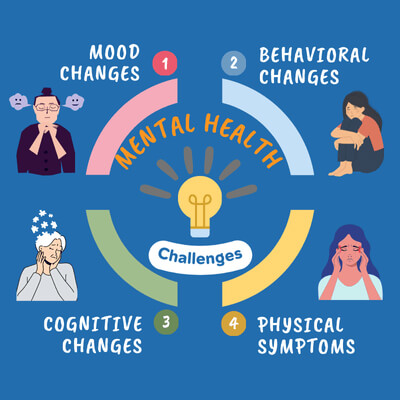
Despite growing awareness, access to mental health services remains limited globally. Major barriers include:
Stigma and Discrimination – Many still perceive mental illness as a sign of weakness or moral failure, discouraging people from seeking help.
Shortage of Professionals – In low- and middle-income countries, there may be fewer than one psychiatrist per 100,000 people.
Financial Constraints – Mental health care is often expensive and not covered adequately by insurance.
Cultural Beliefs – In some societies, mental distress is attributed to supernatural causes rather than psychological ones.
Poor Integration with Primary Care – Mental health services are often separated from general healthcare, making them less accessible.
Addressing these barriers requires policy reform, resource allocation, and widespread community education. Mental health promotion is not just about preventing illness; it’s about fostering resilience and positive mental states.
Some key strategies include:
Education and Awareness – Teaching coping skills, emotional literacy, and stress management in schools and workplaces.
Physical Health – Regular exercise, balanced diet, and adequate sleep have proven benefits for mental health.
Social Support – Building meaningful connections reduces loneliness and provides emotional safety nets.
Mindfulness and Meditation – Practices that encourage self-awareness and emotional regulation help manage anxiety and depression.
Limiting Screen Time – Excessive use of social media can fuel comparison, isolation, and poor sleep.
Seeking Help Early – Timely intervention prevents minor distress from developing into major illness.
On a societal level, governments can promote mental health through policies that ensure equality, social security, and community engagement.
Effective treatment of mental illnesses integrates medical, psychological, and social approaches:
Psychotherapy: Cognitive-behavioral therapy (CBT), psychodynamic therapy, and interpersonal therapy help modify thoughts and behaviors.
Medication: Antidepressants, anxiolytics, and mood stabilizers can alleviate symptoms when used appropriately.
Community Programs: Rehabilitation centers, peer support groups, and helplines provide long-term support.
Holistic Approaches: Yoga, art therapy, and occupational therapy can complement conventional treatments.
Recovery is not just about symptom reduction but about reclaiming one’s identity, purpose, and participation in society.
Mental health defines the quality of our lives — our capacity to love, create, and find meaning. It deserves the same attention and care as physical health. Recognizing that “there is no health without mental health” is not a slogan but a truth rooted in our shared humanity. Each of us can play a part — by listening without judgment, supporting those in need, and nurturing our own minds with compassion.
In the end, mental health is not about being unbreakable — it’s about learning how to heal.