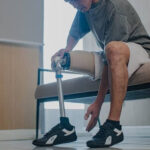
India is witnessing a profound demographic transition. With increasing life expectancy and changing family structures, the number of older adults is rising rapidly. Ageing is a natural and inevitable journey, but the challenges associated with it are far from simple. For many elderly individuals, growing older may mean coping with declining physical abilities, chronic illnesses, cognitive changes, emotional vulnerabilities and reduced social participation. In this evolving landscape, Occupational Therapy (OT) has emerged as an essential yet often under-recognised profession in promoting healthy ageing, functional independence and quality of life.
Ageing Is More Than a Medical Condition
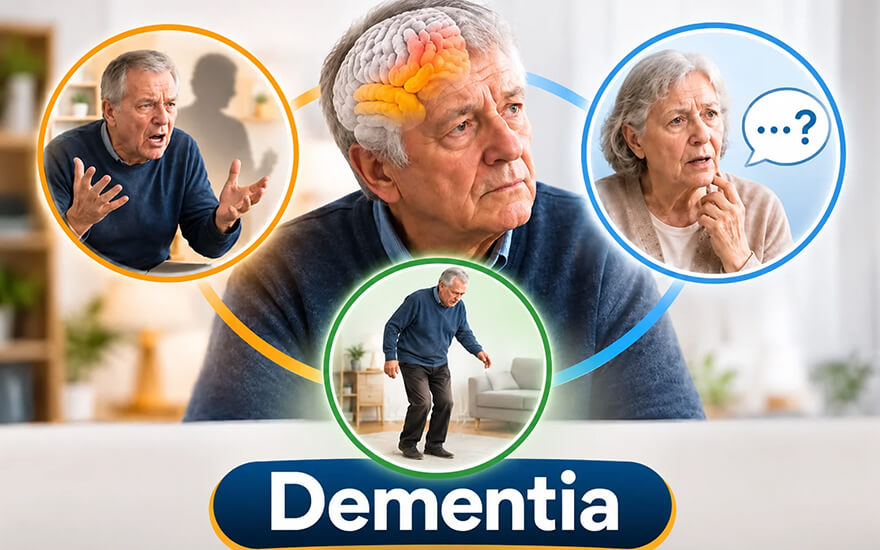
Ageing should not merely be viewed through the lens of disease and disability. It is a multidimensional process involving biological, psychological, social and environmental changes. Conditions such as stroke, Parkinson’s disease, arthritis, osteoporosis, dementia, visual impairment and balance disorders can significantly affect an older person’s ability to perform everyday activities.
Simple tasks such as dressing, bathing, preparing meals, managing medication, walking to the neighbourhood shop or participating in family gatherings may gradually become difficult. Beyond physical limitations, loneliness, depression, social isolation, loss of identity and fear of dependency can profoundly affect an individual’s sense of dignity.
The real challenge, therefore, is not simply to help older adults live longer, but to enable them to live better.
Occupational Therapy: Adding Life to Years
Occupational Therapy is a person-centred healthcare profession that enables individuals to participate in meaningful daily activities despite illness, disability or age-related limitations. Its contribution to geriatric care extends beyond exercise and rehabilitation. It focuses on what matters most to the individual: independence, meaningful engagement, personal identity and participation in everyday life.
An occupational therapist evaluates physical, cognitive, sensory, emotional and environmental factors that influence functional performance. Based on individual needs, interventions may include:
- Activities of Daily Living (ADL): Improving independence in bathing, dressing, grooming, feeding and toileting.
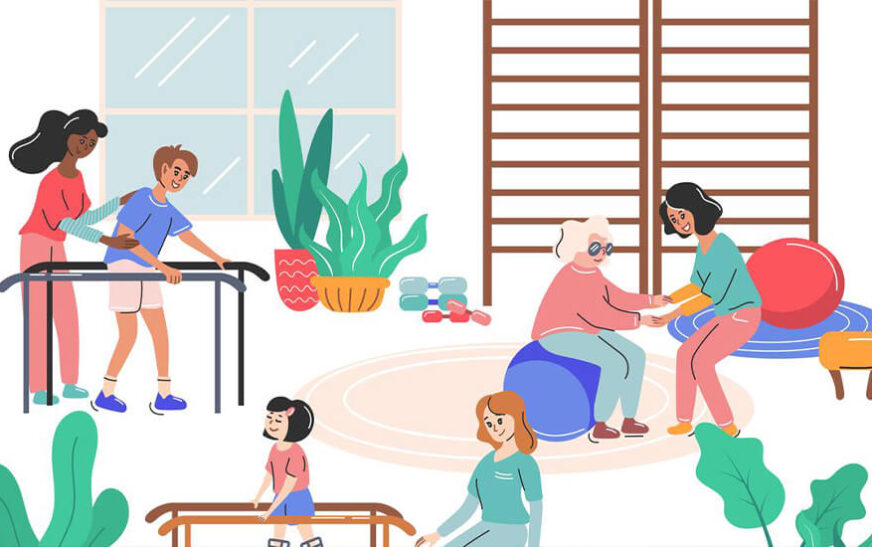
- Physical and Functional Rehabilitation: Enhancing strength, joint mobility, endurance, coordination and balance to support safe mobility.
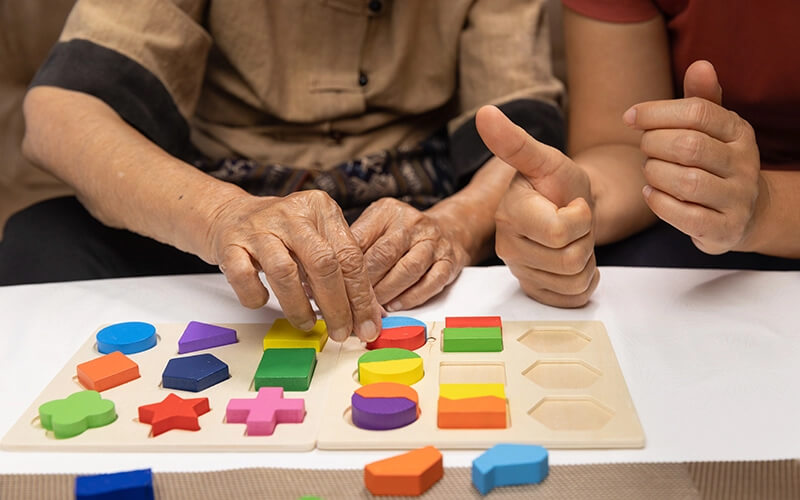
- Cognitive Rehabilitation: Addressing memory, attention, executive functioning and problem-solving difficulties, particularly in individuals with dementia and neurological conditions.
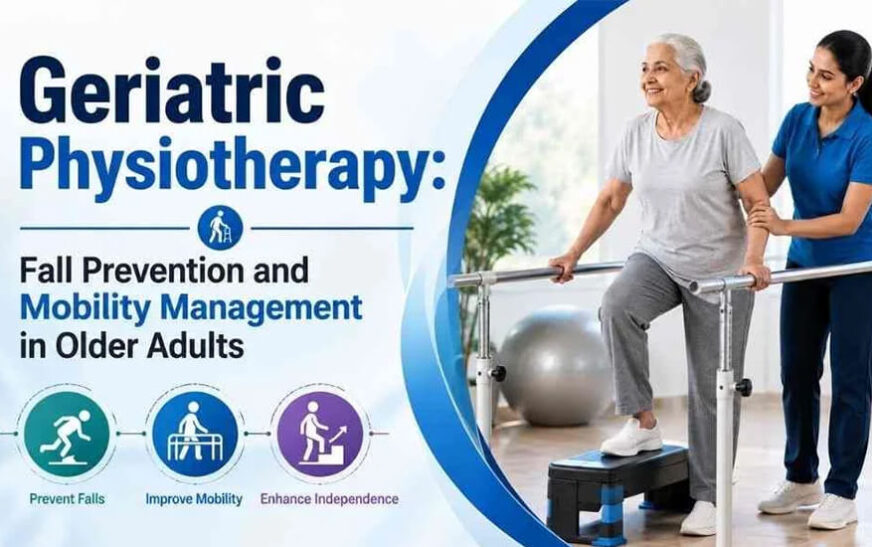
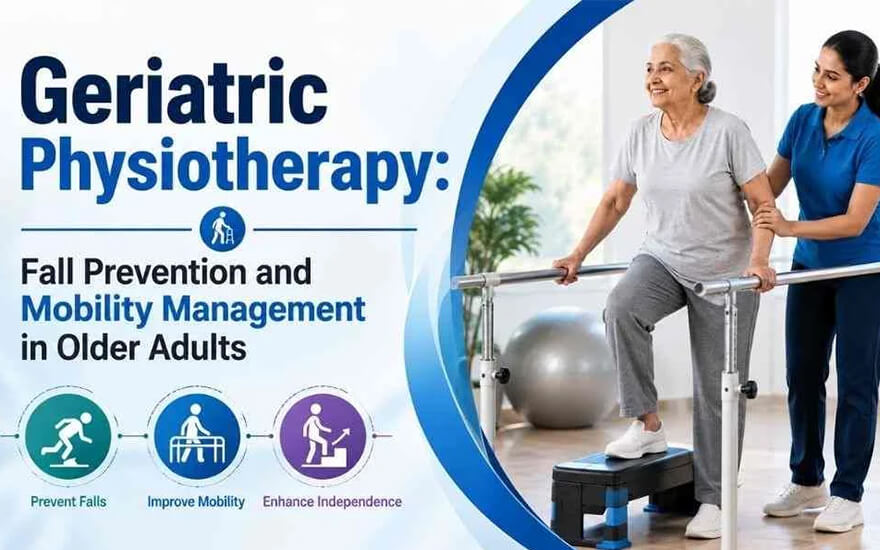
- Fall Prevention: Assessing risk factors, improving balance and recommending appropriate assistive devices and environmental modifications.
- Assistive Technology: Providing adaptive equipment, modified utensils, mobility aids and other devices that facilitate independent living.
- Home Modification: Creating age-friendly environments through grab bars, ramps, appropriate lighting, accessible bathrooms and safer living spaces.
- Psychosocial Well-being: Encouraging meaningful activities, hobbies, social interaction and community participation to reduce isolation and promote emotional health.
- The ultimate objective is not merely to restore lost abilities, but to maximise the individual’s remaining potential and enable meaningful participation in life.
The Indian Context: Challenges Beyond Clinical Practice
Despite its enormous potential, geriatric occupational therapy in India faces several interconnected challenges.
1. Limited Awareness and Recognition: Occupational Therapy remains inadequately understood among the general population and even within sections of the healthcare system. Many families are unaware that occupational therapists can significantly improve functional independence and reduce caregiver dependency.
2. Changing Family Structures: Urbanisation, migration and the increasing prevalence of nuclear families have altered traditional caregiving arrangements. Many older adults experience inadequate support, particularly when family members are geographically distant or professionally occupied.
3. Unequal Access to Rehabilitation: Geriatric rehabilitation services remain concentrated in urban and tertiary healthcare settings. Rural populations, economically disadvantaged individuals and older adults living in remote communities often lack access to qualified occupational therapists.
4. Financial Constraints: The cost of long-term healthcare, assistive devices, home modifications and repeated rehabilitation sessions can become a significant burden, particularly for older adults without financial security.
5. Caregiver Burden: Family members frequently shoulder the responsibility of caring for individuals with dementia, stroke-related disabilities and other chronic conditions. Inadequate caregiver training can contribute to physical exhaustion, emotional stress and compromised quality of care.
6. Inadequate Geriatric Infrastructure: India needs stronger integration of occupational therapy into primary healthcare, community-based rehabilitation, old-age homes, day-care centres and long-term care facilities.
7. Shortage of Specialised Human Resources: The growing demand for geriatric rehabilitation calls for more trained professionals, specialised academic programmes, research initiatives and interdisciplinary collaborations.