Introduction
Ageing is a natural and inevitable process, accompanied by several physiological, psychological, cognitive and social changes. As India’s elderly population continues to grow, ensuring healthy ageing, independence and quality of life has become an important public health priority. According to the UNFPA India Ageing Report 2023, approximately 20% of India’s population is projected to be aged 60 years or above by 2050. This demographic transition demands greater attention to rehabilitation services, particularly Audiology and Speech-Language Pathology (ASLP).
Communication is fundamental to human dignity, social participation and emotional well-being. However, age-related hearing, speech, language, voice and swallowing difficulties frequently remain under-recognised and inadequately addressed.
Major Challenges in Audiology
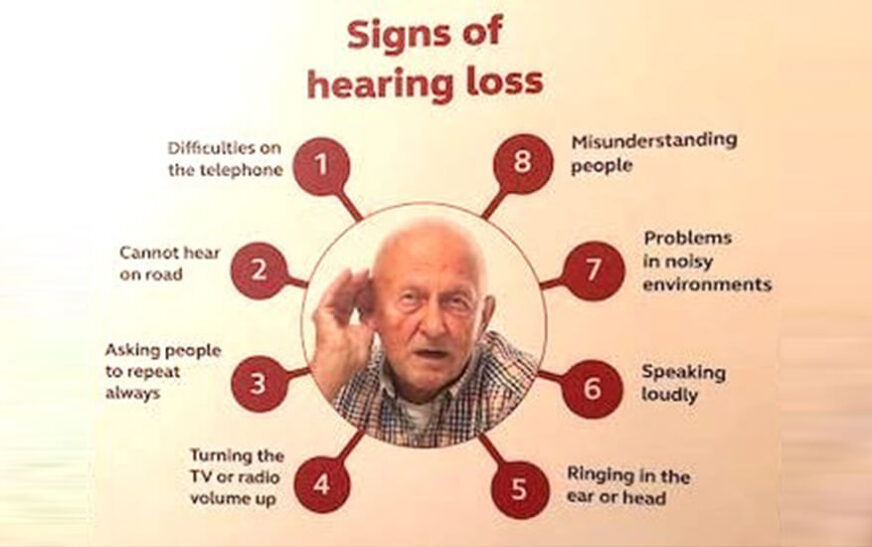
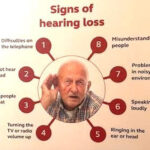
One of the most common age-associated conditions is presbycusis, or age-related hearing loss. It generally involves progressive, bilateral sensorineural hearing impairment, particularly affecting high-frequency sounds. Elderly individuals may experience difficulty understanding conversations, especially in noisy environments, following group discussions and communicating over telephone calls.
Unfortunately, hearing loss is often mistaken for forgetfulness, inattentiveness or cognitive decline. Untreated hearing impairment can contribute to social isolation, frustration, reduced participation and psychological distress.
Other challenges include tinnitus, balance-related disorders, age-related changes in auditory processing and difficulties associated with hearing aid acceptance and consistent usage.
Although hearing aids and assistive listening devices can significantly improve communication, several barriers persist in India:
– Limited awareness regarding early hearing assessment.
– Financial constraints and affordability of hearing aids.
– Inadequate access to audiological services in rural and underserved communities.
– Lack of regular hearing aid maintenance, counselling and follow-up.
– Social stigma and reluctance to accept hearing impairment.
Audiologists play a crucial role through comprehensive hearing assessment, appropriate hearing aid selection and fitting, auditory rehabilitation, counselling and family education.
Speech, Language, Voice and Swallowing Challenges
Ageing also affects the efficiency of the speech-language and swallowing mechanisms. Older adults may experience reduced vocal intensity, altered voice quality, slower speech rate and changes in speech clarity due to physiological ageing of the respiratory, phonatory and articulatory systems.
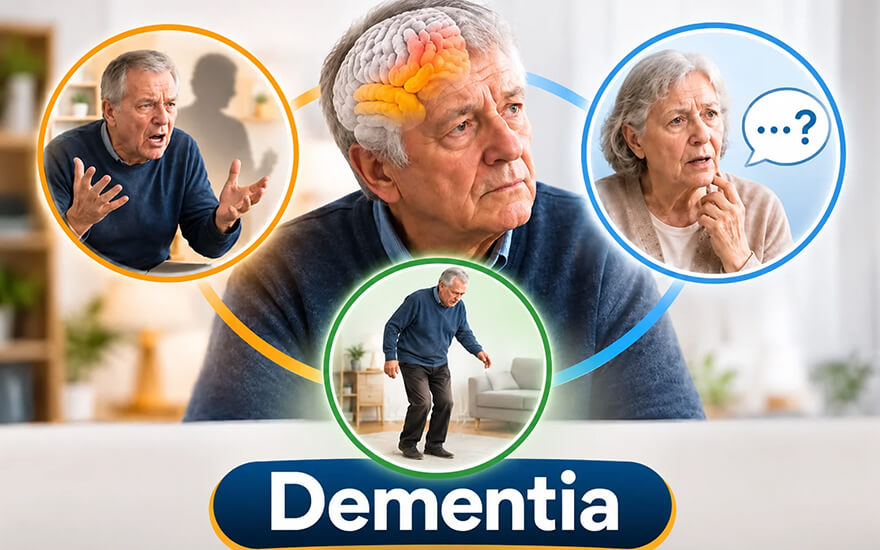
Furthermore, neurological conditions such as stroke, Parkinson’s disease and dementia may result in significant communication difficulties.
Aphasia can affect language comprehension and expression, while dysarthria may reduce speech intelligibility due to impaired neuromuscular control. Cognitive-communication difficulties can further affect memory, attention, problem-solving and the ability to participate in everyday conversations.
Dysphagia (swallowing difficulty) is another major concern among older adults, particularly those with neurological disorders. It may lead to aspiration, malnutrition, dehydration and recurrent respiratory complications. Early identification and appropriate swallowing assessment are therefore essential.
Speech-Language Pathologists contribute through individualised intervention targeting communication, cognitive-linguistic abilities, voice, speech intelligibility and swallowing safety. They also educate caregivers regarding safe feeding practices, appropriate food and liquid modifications and compensatory strategies when clinically indicated.
The Indian Healthcare Perspective: Gaps and Opportunities
Despite the growing need, access to specialised rehabilitation services remains unequal across India. A shortage of trained professionals in underserved areas, limited awareness, financial barriers and insufficient integration of rehabilitation into primary healthcare create significant challenges.
Furthermore, elderly individuals often present with multiple co-existing conditions, requiring a multidisciplinary approach involving geriatricians, neurologists, ENT specialists, physiotherapists, occupational therapists, psychologists, dietitians, Audiologists and Speech-Language Pathologists.
Government initiatives such as the National Programme for Prevention and Control of Deafness (NPPCD) and the National Programme for Health Care of the Elderly (NPHCE) provide important platforms for strengthening preventive and rehabilitative healthcare.
However, greater emphasis is needed on community-based screening, affordable assistive technology, home-based rehabilitation, tele-audiology and tele-rehabilitation, professional training and caregiver awareness.
The Way Forward: Towards Dignified and Healthy Ageing
Addressing the communication and swallowing needs of elderly individuals requires a shift from a disease-centred approach to a person-centred rehabilitation model.
Some essential priorities include:
1. Early identification: Routine hearing, communication, cognitive-communication and swallowing screening wherever clinically appropriate.
2. Accessible rehabilitation: Affordable and geographically accessible audiological and speech-language services.
3. Individualised intervention: Rehabilitation plans based on the individual’s functional needs, medical condition and communication environment.
4. Caregiver involvement: Educating family members about effective communication, hearing aid management and safe swallowing practices.
5. Multidisciplinary collaboration: Integrating ASLP professionals into geriatric healthcare teams.
6. Public awareness: Reducing stigma and promoting the understanding that hearing, communication and swallowing difficulties deserve professional attention.
Conclusion
Caring for the elderly is not merely about extending life expectancy; it is about ensuring that individuals can live with dignity, independence and meaningful social participation.
Audiology and Speech-Language Pathology have an indispensable role in achieving this goal. Hearing, communication and swallowing are not simply clinical functions; they are essential components of human connection and quality of life.
As healthcare professionals, our responsibility extends beyond treating impairments. We must empower older adults to communicate, connect and participate in society.
Because healthy ageing should not mean growing older in silence, isolation or without a voice. It should mean ageing with dignity, connection and the freedom to communicate.
Suggested References
- United Nations Population Fund (UNFPA). (2023). India Ageing Report 2023: Caring for Our Elders – Institutional Responses.
- World Health Organization. Ageing and health.
- World Health Organization. World report on hearing. (2021).
- Ministry of Health and Family Welfare, Government of India. National Programme for Prevention and Control of Deafness (NPPCD).
- Ministry of Health and Family Welfare, Government of India. National Programme for Health Care of the Elderly (NPHCE).