® ISSN : 3107-4979 | A Bilingual (Odia & English) Bimonthly Special Newspaper Covering News and Views on Disabilities | ® RNI Regd. No. ODIBIL/2016/67738

In India represents one of the most critical socio-demographic pivots in the country’s modern history. Driven by declining fertility rates and rising life expectancy, India’s senior citizen population is expanding at an unprecedented rate. Projections indicate that the population of individuals aged 60 and above will surge to over 230 million by 2036, eventually accounting for nearly 20% of the national population by 2050.

While this longevity reflects public health advancements, it brings forth a profound burden of complex, intersecting health challenges. Addressing these vulnerabilities requires a deep understanding of India’s medical, social, and economic realities.

The Epidemiological Burden: Chronic Illness and Multimorbidity

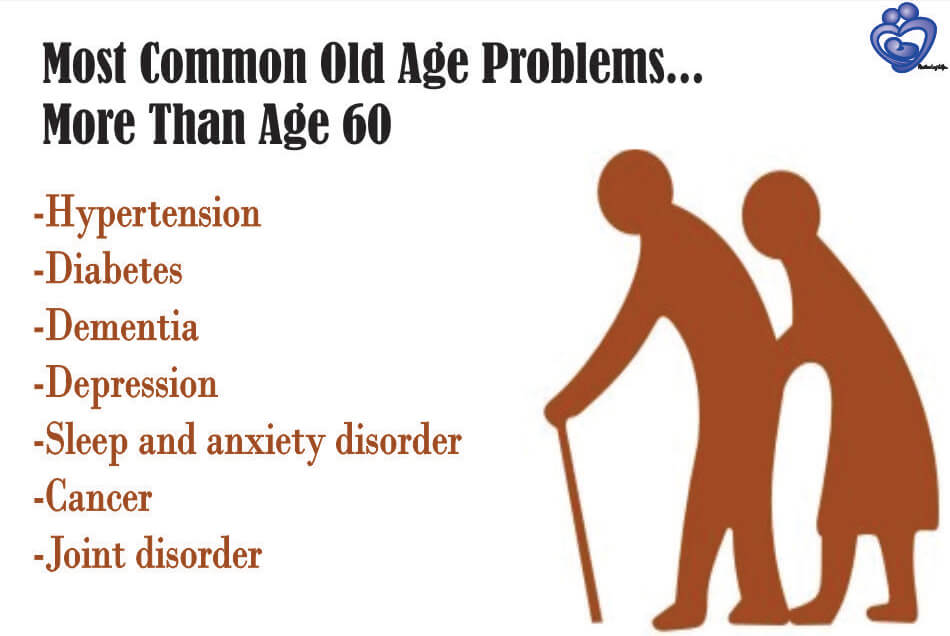
The primary clinical challenge in Indian geriatric care is the high prevalence of non-communicable diseases (NCDs). Data from the comprehensive Longitudinal Ageing Study in India (LASI) reveals that nearly 75% of senior citizens suffer from at least one chronic illness.

* Cardiovascular and Metabolic Disorders: Cardiovascular diseases affect roughly 35% of the elderly, while hypertension (32%) and diabetes (14%) remain highly prevalent.

* Degenerative and Musculoskeletal Ailments: Severe arthritis and joint disorders impact a vast cross-section of seniors, severely restricting their physical autonomy.

* The Multimorbidity Crisis: Over half of India’s elderly grapple with multimorbidity—the co-occurrence of two or more chronic conditions. This clustering frequently triggers a rapid decline in Activities of Daily Living (ADL), making everyday self-care difficult without functional assistance.

The Silent Crisis: Mental Health and Cognitive Decline

Geriatric mental health remains dangerously underdiagnosed and stigmatized across India. Roughly 20% to 25% of elderly Indians experience mental health issues, primarily depression, severe anxiety, and cognitive impairments like Alzheimer’s disease and dementia.
The shift away from traditional joint family systems toward nuclear families has left millions of seniors isolated. Social isolation, paired with a lack of emotional support, fuels a silent epidemic of low-to-moderate depression. Because public health campaigns rarely focus on elderly mental health, these cognitive and emotional challenges are often dismissed as normal aging, leaving patients without essential psychiatric care.

Structural Vulnerabilities: Socioeconomic and Gender Inequities

Health challenges in later life are deeply amplified by financial insecurity and gender divides. According to the NITI Aayog Senior Care Reforms, nearly 70% of India’s elderly are financially dependent on others, and over 75% lack any form of pension cover.
This economic vulnerability hits elderly women the hardest. Women face a double vulnerability due to higher rates of widowhood, lack of asset ownership, and lower literacy rates. Furthermore, the responsibility of eldercare falls disproportionately on female relatives, creating a hidden socio-economic strain within households.

Systemic Bottlenecks: Infrastructure and Out-of-Pocket Spending

India’s healthcare architecture remains historically geared toward maternal care, child health, and acute infectious illnesses, leaving its geriatric infrastructure weak. The country faces a severe shortage of specialized geriatricians, age-friendly hospital designs, and rehabilitation facilities.

As a result, most seniors are forced to rely on commercial private providers. With low insurance penetration among older age brackets, families face crippling out-of-pocket expenses for long-term medications and diagnostics. For vulnerable or impoverished households, a single major health episode can lead straight to financial ruin.

Government Interventions and the Way Forward

To bridge these systemic gaps, the Government of India has introduced several targeted initiatives:

1. The National Programme for Health Care of the Elderly (NPHCE): Focuses on creating dedicated geriatric OPDs and 10-bedded specialized wards within district hospitals nationwide.
2. Ayushman Bharat (PM-JAY) Expansion: Provides a vital safety net by offering an annual cashless health cover of ₹5 lakh to senior citizens aged 70 and above, regardless of income.
3. Atal Vayo Abhyuday Yojana (AVYAY): Combats social abandonment by funding shelter, nutrition, and healthcare support across senior citizen homes.

While these frameworks provide a solid blueprint, transforming elderly care requires moving beyond occasional hospitalizations. India must pivot toward community-based care models, scale up professional caregiver training programs, and seamlessly integrate mental healthcare into primary clinics. Mitigating these multifaceted health challenges is no longer just a medical necessity—it is an urgent social imperative to ensure India’s seniors can age with health, security, and dignity.

Dr. Ashok Kumar Nayak

MD Physician, PGDGM
DHH, Kendrapara

Dr. Ashok Kumar Nayak

Leave a Reply

Your email address will not be published. Required fields are marked *

Related Posts