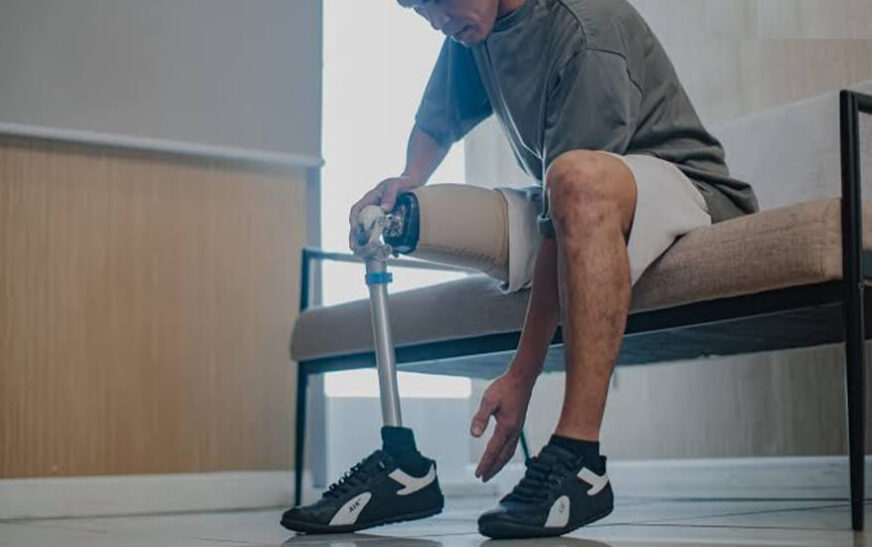
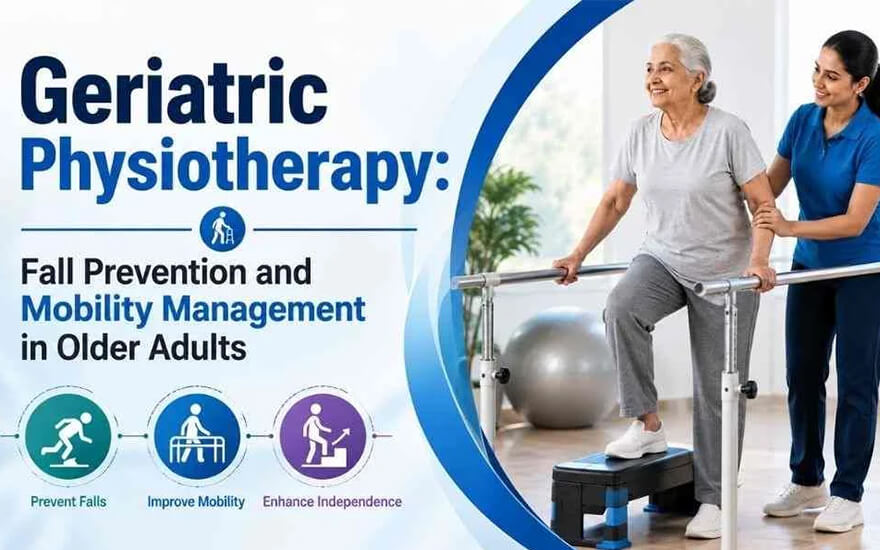
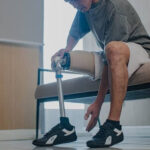
Rehabilitation of the India’s rapidly expanding elderly population is one of the most critical Rehabilitation healthcare imperatives of the modern era. As life expectancy rises, the absolute number of senior citizens dealing with degenerative joint diseases, age-related mobility loss, strokes, diabetic complications, and trauma-induced amputations is surging. Within this broad spectrum of geriatric care, Prosthetics and Orthotics (P&O) play a decisive role. P&O interventions ranging from custom-molded orthoses and supports to advanced lower-limb prostheses are vital tools for preserving independence, reducing fall risks, and safeguarding the dignity of older adults.However, translating these clinical possibilities into widespread reality exposes a complex matrix of structural, financial, technological, and systemic bottlenecks unique to the Indian healthcare landscape.
India is home to over 140 million elderly individuals, a cohort projected to double over the next three decades. Advanced age brings a natural decline in muscle mass, bone density, and neurological coordination.The Rise of Non-Communicable Diseases Chronic conditions such as diabetes, peripheral vascular disease, and severe osteoarthritis are rampant. Uncontrolled diabetes alone is responsible for a massive share of non-traumatic lower-extremity amputations among older Indians.The Cascade of Immobility For an older adult, losing a limb or suffering severe joint collapse is not merely a physical setback; it initiates a downward spiral. Immobility accelerates muscle atrophy, triggers depression, increases the incidence of pressure ulcers, and places a crippling caregiving burden on families. P&O devices are the literal anchors that prevent this decline, yet access to them remains uneven and fragmented.
A critical constraint within Indian P&O is the severe scarcity of trained clinical manpower. The country faces a massive deficit of certified prosthetists and orthotists, falling drastically short of international benchmarks set by the World Health Organization. General healthcare education in India often treats P&O as a peripheral surgical adjunct rather than a core pillar of rehabilitation. Furthermore, geriatric P&O requires distinct clinical competencies. Older adults present with fragile skin, fluctuating residual limb volumes, cardiovascular comorbidities, and balance disorders that require specialized fitting philosophies to prevent injury.Absence of Multidisciplinary Teams In most Indian healthcare settings, the orthopedic surgeon, the physiotherapist, and the P&O clinician work in isolated silos. Without cohesive multidisciplinary care, prescriptions are often delayed, leading to prolonged institutionalization or unassisted decline at home.
Financial Structures and Out-of-Pocket Vulnerabilities Advanced Prosthetic &Orthotic devices particularly lightweight carbon-composite prostheses, microprocessor-controlled knees, and custom orthotic bracing are expensive.Exclusion from Core Insurance Coverage While major public schemes like Ayushman Bharat (PM-JAY) and state-level health insurance frameworks offer substantial coverage for acute hospitalizations and surgeries, their coverage for long-term rehabilitation hardware, maintenance, and periodic device replacements is frequently limited or ambiguous.
The Economic Strain on Families Because most elderly Indians lack formal pensions or comprehensive post-retirement health insurance, the cost of acquiring and maintaining P&O devices falls squarely on out-of-pocket family savings. For low and middle income households, these expenses force agonizing compromises, often leading seniors to forgo necessary mobility aids entirely.
Urban-Centric Infrastructure and Rural Isolation Geographical disparity remains a profound barrier to equitable care in India. Most advanced P&O fabrication laboratories, clinical gait labs, and certified practitioners are clustered tightly within Tier-1 and Tier-2 metropolitan hubs.The Logistical Nightmare for Seniors For an elderly resident in a rural or semi-urban district, accessing a quality P&O center involves arduous travel. The requirement for multiple clinical visits for evaluation, casting, trial fittings, and alignment tweaks becomes an insurmountable logistical hurdle for frail seniors and their working family members.
Limitations of the Camp Model Government and philanthropic bodies frequently rely on mass distribution camps to dispense assistive devices. While these camps serve a vital humanitarian purpose, they often struggle to provide the meticulous, customized follow-up care required by elderly bodies, resulting in high rates of device abandonment due to poor fit or discomfort.India’s climate, diverse terrain, and socioeconomic realities demand P&O technology that is durable, lightweight, and low-maintenance. Yet, domestic manufacturing of high-end components remains constrained.
The Way Forward Building an Inclusive Framework Mitigating the challenges of P&O care for India’s aging population requires a deliberate policy pivot. It demands integrating prosthetics and orthotics directly into primary healthcare networks under the National Health Mission, incentivizing domestic manufacturing of cost-effective assistive technology, and expanding insurance codes to cover durable rehabilitation hardware. Only through systemic integration can India ensure that its aging citizens retain their mobility, autonomy, and hard-earned dignity.