Introduction
Ageing is a natural and inevitable process associated with progressive changes in physical, psychological, and social functioning. With increasing life expectancy and changing demographic patterns, India is experiencing a significant rise in its elderly population. While longer life offers opportunities for individuals and society, it also presents challenges related to healthcare, independence, and quality of life. Physiotherapy plays a vital role in addressing these challenges by promoting mobility, preventing disability, managing chronic conditions, and supporting healthy ageing. However, delivering effective physiotherapy care to older adults in India involves overcoming numerous clinical, socioeconomic, cultural, and infrastructural barriers.
The Growing Need for Geriatric Physiotherapy
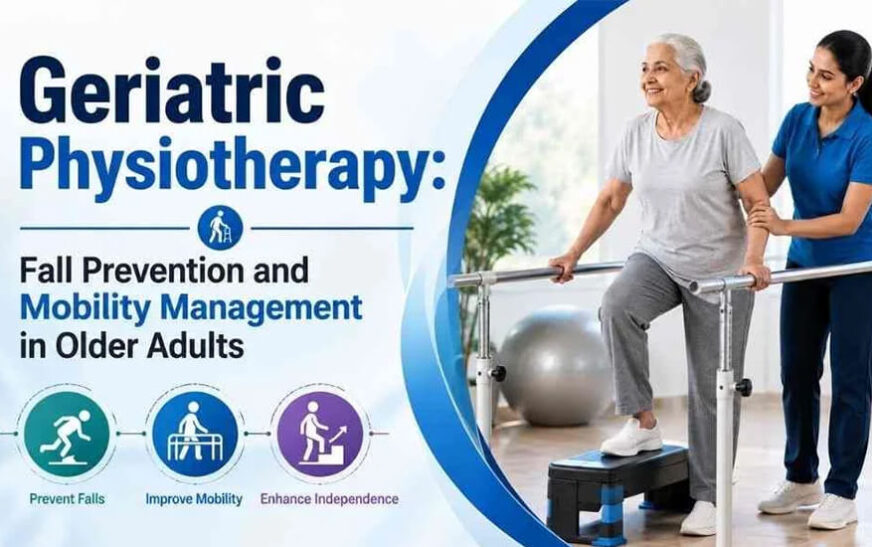
Older adults frequently experience age-related conditions such as osteoarthritis, osteoporosis, stroke, Parkinson’s disease, cardiovascular disorders, and muscle weakness. These conditions can significantly affect balance, coordination, endurance, and functional independence. Reduced mobility may lead to falls, social isolation, dependence on caregivers, and a diminished quality of life.
Geriatric physiotherapy aims to maintain and improve physical function through individualized exercise programmes, balance training, gait rehabilitation, pain management, and education. Early intervention can reduce the risk of disability and help older adults remain active participants in their families and communities.
Major Challenges in Geriatric Physiotherapy in India
• Limited Awareness and Accessibility
Despite its proven benefits, physiotherapy remains underutilized among older adults in India. Many individuals consider pain, stiffness, and reduced mobility unavoidable consequences of ageing rather than conditions that can be managed effectively. In rural and underserved areas, access to qualified physiotherapists and rehabilitation facilities is often limited. Long travel distances, inadequate transportation, and a lack of home-based services further restrict access to care.
• Financial Constraints
The cost of long-term rehabilitation can be a significant burden for elderly individuals, particularly those without stable income or adequate health insurance. Multiple treatment sessions, transportation expenses, assistive devices, and caregiver costs may discourage patients from continuing therapy. Limited public funding and unequal distribution of rehabilitation services further contribute to disparities in care.
• Multiple Chronic Conditions
Older adults often present with several coexisting medical conditions, including diabetes, hypertension, cardiovascular disease, and neurological disorders. These conditions complicate rehabilitation planning and require careful monitoring of exercise intensity, fatigue, pain, and cardiovascular responses. Physiotherapists must develop individualized programmes that balance safety with meaningful functional progress.
• Falls and Fear of Falling
Falls are a major concern in geriatric care and can result in fractures, hospitalization, and loss of independence. Age-related changes in muscle strength, vision, sensation, and balance increase fall risk. Additionally, fear of falling may lead older adults to avoid physical activity, resulting in further deconditioning. Physiotherapists must address both physical impairments and psychological barriers through progressive balance training, strength exercises, gait retraining, and environmental modifications.
• Cultural Beliefs and Family Dependence
In many Indian families, older adults depend heavily on relatives for daily activities and healthcare decisions. Although family support is valuable, excessive assistance may unintentionally limit independence and physical activity. Cultural beliefs that encourage rest rather than exercise can also hinder rehabilitation. Physiotherapists must educate patients and caregivers about the importance of safe movement, active participation, and maintaining functional autonomy.
• Shortage of Trained Professionals and Infrastructure
India faces an uneven distribution of geriatric rehabilitation services, particularly in rural communities. Many healthcare facilities lack dedicated rehabilitation departments, accessible infrastructure, and trained professionals specializing in geriatric care. Inadequate collaboration among physicians, physiotherapists, nurses, occupational therapists, and social workers can also affect continuity of care.