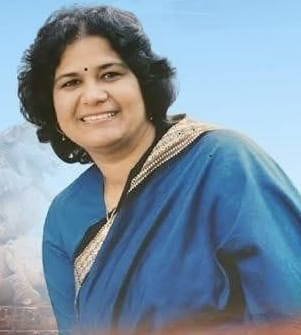



During one of my morning walks, my thoughts drifted toward the remarkable journey of the Odia community in America and how much we have evolved over the years. As I reflected on that journey, my mind traveled back to a defining chapter of my own life—the decision to enter the nursing profession and fulfill my lifelong desire to help others. Growing up in Odisha, I knew that nursing was not considered a desirable profession for Hindu women. Yet life often leads us along unexpected paths. After coming to the United States, I was presented with opportunities that I had never imagined in my youth. After much soul-searching, I chose nursing, and in time I became the first Odia nurse in North America.
In 1977, I arrived in America with my two young children after my husband, Sudhanshu, accepted a position here. Chicago was a world apart from Mumbai, where we had spent seven happy years. In Mumbai, I enjoyed a vibrant social life. After the children left for school, neighborhood women would gather over cups of tea and spend hours discussing family life, books, fashion, festivals, and current events. Sometimes we met at one another’s homes and shared lunches featuring specialties from different regions of India. Those gatherings brought warmth, companionship, and a sense of belonging.
America introduced me to a different way of life. Women were independent and occupied with their own careers, studies, and interests. Social visits were less frequent, and everyone seemed to be busy pursuing individual goals. While I admired this independence, I initially found it lonely. I missed the camaraderie and lively conversations that had been such an integral part of my life in Mumbai.
Curious about how other women spent their time; I began speaking with mothers in my neighborhood. Many worked outside the home, volunteered in community organizations, or attended college classes. Their examples inspired me. Although I had already earned a degree in Economics and Mathematics from Bombay University and had once hoped to work in a bank, my relocation to America had altered the course of my plans. I now found myself searching for a new purpose.
Hoping to engage in meaningful work, I enrolled at a nearby community college. The admissions process was unlike anything I had experienced in India. I met with a counselor named Ms. Loretta Smith, who carefully reviewed my academic records. Seeing my background in Economics and Mathematics, she naturally assumed that I intended to pursue business studies.
As part of the admissions process, she asked me to complete an aptitude assessment and write an essay about my interests and future goals. While filling out the forms, I noticed something interesting. Although I selected accounting and finance as my intended major, my answers consistently reflected a deep interest in health sciences and human well-being. In my essay, I wrote honestly that my greatest desire was to work in a profession that would allow me to care for people during times of illness and suffering.
After reviewing my responses, Ms. Loretta looked at me thoughtfully and said, “Your test results and your essay tell a different story. Your passion lies in helping people and studying science. Have you considered pursuing that?”
Her words stayed with me long after I left her office.
That night, sleep eluded me. Again and again, I replayed our conversation in my mind. As a young girl in Puri, I had once dreamed of becoming a doctor. Five of us in school shared that dream. Four eventually achieved it. I did not. Although I performed well academically, marriage came early and redirected the course of my life.
Ms. Loretta had suggested that I explore the college’s highly regarded nursing program. Academically, I knew I could handle the challenge. Science had always fascinated me. Yet another concern weighed heavily on my mind. What would people in the Odia community think if I became a nurse?
At that time, nursing was not widely accepted as a suitable profession for women from traditional Odia Brahmin families. Social expectations often carried tremendous weight. Yet as I reflected further, I remembered something important about myself. Since childhood, I had always been drawn to caring for the sick and elderly. I often helped poor, lonely individuals by bringing them medicines and dressing their wounds. Though my family sometimes questioned these activities, they brought me immense satisfaction.
I also remembered watching the actress Meena Kumari portray a nurse in the film Dil Apna Aur Preet Parai. Her character’s compassion and dedication had deeply impressed me. Perhaps the seeds of my future profession had been planted long ago without my realizing it.
Gradually, I came to understand an important truth. America was a land where individuals were encouraged to pursue their own aspirations rather than simply conform to societal expectations. Freedom of choice was woven into everyday life. For the first time, I felt empowered to listen to my own heart.
The following day, I returned to the college and completed my application to the nursing program.
The journey through nursing school was far from easy. Raising two children while attending demanding classes required discipline, sacrifice, and perseverance. The program challenged me both intellectually and physically. There were long hours of study, clinical training, laboratory work, and examinations. Yet I remained determined.
Finally, in 1984, I graduated as a Registered Nurse.
Receiving excellent recommendations from my professors was one of the proudest moments of my life. Soon afterward, I accepted a position at Moss Rehabilitation Center in Philadelphia. Unlike many of my classmates, I wanted to work in rehabilitation. I was drawn to the idea of helping people regain independence and rebuild their lives after illness or injury.
That decision proved to be one of the most meaningful choices of my career.
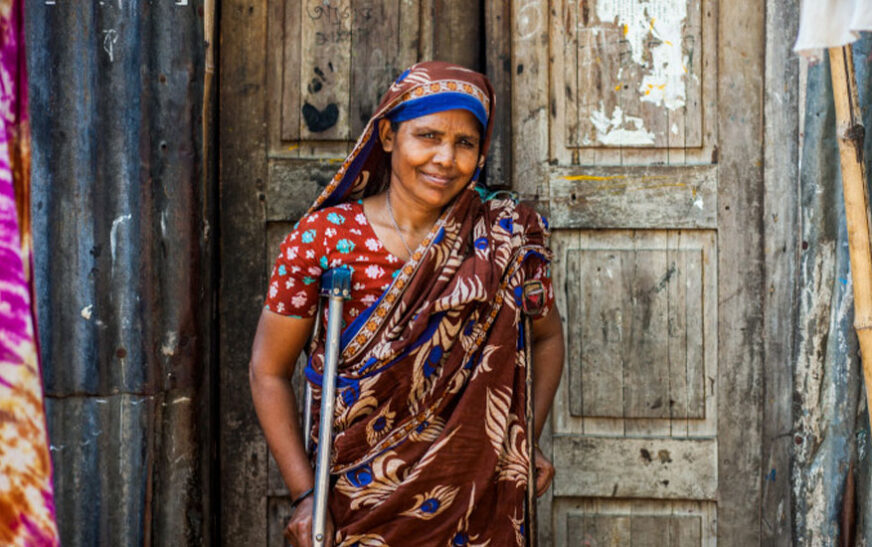
My first job as a nurse became one of the most profound learning experiences of my life. Many of our patients were amputees—men and women who had lost limbs because of accidents, diabetes, vascular disease, infections, or other serious conditions. Their physical injuries were obvious, but the emotional wounds were often hidden beneath the surface.
As a new nurse, I quickly learned that healing involved much more than medications and medical procedures.
Many patients struggled with grief, anger, fear, and uncertainty. They mourned the loss of a part of themselves. Some worried about whether they would ever return to work. Others feared becoming dependent on family members. A few refused to look at their amputated limbs, unable to accept the reality of what had happened.
At first, witnessing such suffering was emotionally difficult for me. Yet these patients taught me some of the most important lessons of my career.
I learned that nursing is not simply a science; it is also an art. Patients needed someone who would listen without judgment, encourage them when they felt defeated, and remind them that life still held possibilities. Sometimes the most valuable treatment was not found in a medication cart but in a kind word, a reassuring smile, or a few moments of genuine human connection.
The rehabilitation center exposed me to people from every walk of life. Wealth, education, social status, and profession mattered little once illness entered the picture. Human vulnerability was universal.
No task seemed insignificant. Some days I administered medications and monitored complex treatments. On other days, I helped patients fill out meal selections, adjusted their pillows, listened to their worries, or simply sat beside them when they felt lonely. Through these seemingly small acts, I discovered that compassion itself can be a powerful medicine.
Every day, I touched lives, and in return, those lives touched mine.
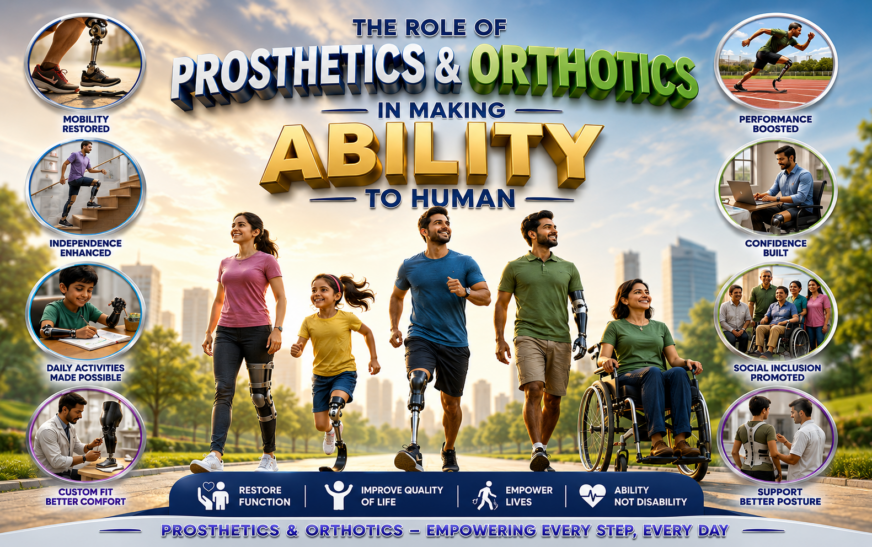
The rehabilitation center taught me that healing is not always about curing disease. Often it is about restoring dignity, confidence, and hope. I learned to celebrate milestones that others might overlook—a patient taking a few independent steps, mastering the use of a prosthetic limb, dressing without assistance, or smiling after weeks of despair.
Those victories became my victories as well.
Looking back, I consider those years a blessing. The amputee patients I cared for taught me resilience, courage, and perseverance. They showed me that the human spirit possesses extraordinary strength. Even after devastating loss, people can rebuild their lives with determination and hope.
The lessons I learned in rehabilitation nursing remained with me throughout my professional journey and helped shape not only the nurse I became but also the person I became.
Far from my hometown of Puri, I ultimately found another way to fulfill my childhood dream of healing others. Although I never became a physician, nursing allowed me to serve humanity in a deeply meaningful way. In many respects, it fulfilled the very purpose that had inspired my youthful ambitions.
Today, nursing is widely respected within our community, and I am delighted to see many young women from the next generation entering the profession. Their success brings me immense joy. Had I not pursued further education after arriving in America, my life would have followed an entirely different course.
As I look back upon the winding road that brought me from Odisha to America, from a young dreamer to a rehabilitation nurse, I realize that listening to my heart was one of the wisest decisions I ever made. Nursing gave direction to my compassion, purpose to my abilities, and meaning to my life. For that, I remain profoundly grateful.
Chandra Mishra