

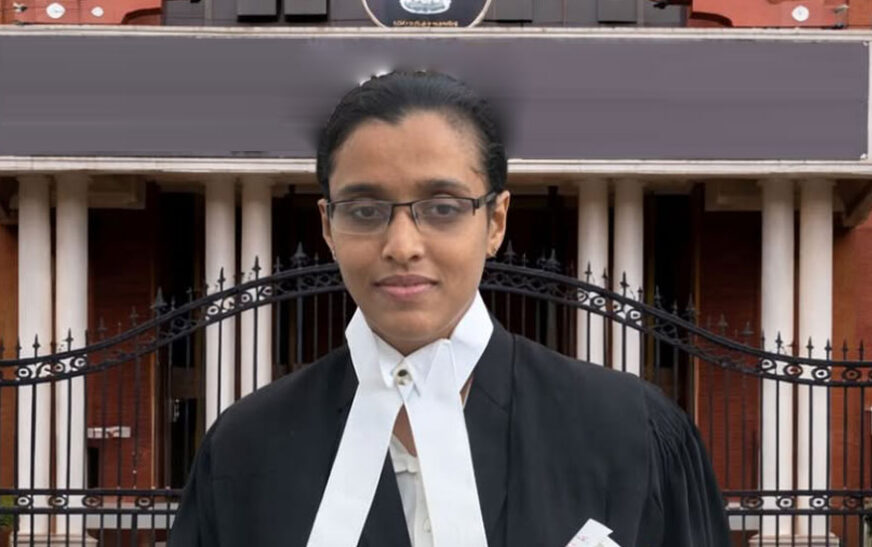
ଏହି ପ୍ରେରଣାଦାୟୀ ଘଟଣାଟି ଭିନ୍ନକ୍ଷମତା ଭୋଗ କରୁଥିବା ଦୃଷ୍ଟିବାଧିତବର୍ଗଙ୍କ ପାଇ ଯେପରି ଉତ୍ସାହପ୍ରଦ,ସେହିପରି ଏକ ଆଦର୍ଶ ସମ୍ମିଳିତ ସମାଜ ଅଭିମୁଖେ ପାଦେ ସଶକ୍ତ ଅଭିଯାତ୍ରା ବୋଲି କହିହେବ । ୨୦୨୫ ମସିହାରେ କେରଳ ବିଚାର ବିଭାଗୀୟ ସେବା ପରୀକ୍ଷାରେ ସଫଳତା ହାସଲ କରି ପ୍ରଥମ ଦୃଷ୍ଟିବାଧିତା ମହିଳା ବିଚାରପତି ହେବାର ସୌଭାଗ୍ୟ ଅର୍ଜନ କରିବାକୁ ଯାଉଛନ୍ତି କନ୍ନୁରର ୨୪ ବର୍ଷୀୟା ଯୁବା ଆଡ଼ଭୋକେଟ୍ ଥାନ୍ୟା ନାଥନ୍ ସି । ଖୁବ୍ ନିକଟରେ ସେ ସିଭିଲ୍ ଜଜ୍ (ଜୁନିୟର ଡିଭିଜନ୍) ଭାବେ ଅବସ୍ଥାପିତ ହେବାକୁ ଯାଉଛନ୍ତି ।
ଏହି ଘଟଣା ଅକ୍ଷମତା ବିରୁଦ୍ଧରେ ଅଦମ୍ୟ ଇଚ୍ଛା ଶକ୍ତିର ଏକ ବିଜୟ ଯାତ୍ରା ବୋଲି କହିହେବ ।
ମାତ୍ର ଥାନ୍ୟା ନାଥନ୍ଙ୍କ ଏହି ସଫଳତାର କାହାଣୀ ପଛରେ ସଂଘର୍ଷର ଏକ ଲମ୍ବା କିଟିମିଟି ଅନ୍ଧାର ରାତି ରହିଛି । ଶତ ପ୍ରତିଶତ ଅନ୍ଧତ୍ୱ ବରଣ କରି ଜନ୍ମ ଲାଭ କରିବା ତାଙ୍କ ଭାଗ୍ୟର ଅଦୃଷ୍ଟ ନିୟତି ଥିଲେ ମଧ୍ୟ, ସେଇ ନିୟତିର ମୋଡ଼ ବଦଳାଇବାର ଦକ୍ଷତା ମଧ୍ୟ ତାଙ୍କର ରହିଥିଲା । ଦୃଷ୍ଟିବାଧିତଙ୍କ ନିମନ୍ତେ ରହିଥିବା ସ୍ୱତନ୍ତ୍ର ସ୍କୁଲରେ ଦଶମ ଶ୍ରେଣୀ ପର୍ଯ୍ୟନ୍ତ ଅଧ୍ୟୟନ କରି ସାରିବା ପରେ ସେ ମୁଖ୍ୟସ୍ରୋତର ଶିକ୍ଷାନୁଷ୍ଠାନକୁ ଆସିଥିଲେ । କନ୍ନୁର ବିଶ୍ୱବିଦ୍ୟାଳୟର ଆଇନ ସ୍ନାତକ ଭାବେ ପ୍ରଥମ ସ୍ଥାନ ହାସଲ କରିଥିଲେ । ନିଜ ବ୍ୟାଚ୍ର ଏକ ମାତ୍ର ଦୃଷ୍ଟିବାଧିତା ଛାତ୍ରୀ ଭାବେ ତାଙ୍କର ଏହି ସଫଳତା ଆତ୍ମବିଶ୍ୱାସ ଭରି ଦେଇଥିଲା ମନରେ । ଏହାପରେ ତଲ୍ଲି ପରମ୍ଭା କୋର୍ଟରେ କନିଷ୍ଠ ଆଡ଼ଭୋକେଟ୍ ରୂପେ ଯୋଗ ଦିଅନ୍ତି । ଆଡ଼ଭୋକେଟ୍ ଭାବରେ ଦେଢ଼ ବର୍ଷର ଅଭିଜ୍ଞତା ସାଉଁଟିବା ସହିତ ବିଚାର ବିଭାଗୀୟ ସେବା ନିମନ୍ତେ ମଧ୍ୟ ନିଜକୁ ପ୍ରସ୍ତୁତ କରନ୍ତି । ତାଙ୍କର ଏହି ପ୍ରସ୍ତୁତିରେ ବ୍ରେଲ୍ ନୋଟ୍ ଏବଂ ସ୍କ୍ରିନ୍ ରିଡିଙ୍ଗ ସପ୍ଟୱେୟାର ପ୍ରଭୃତି ସହାୟକ ଉପକରଣ ରୂପେ ବ୍ୟବହୃତ ହୁଏ । ଏବଂ ଲିଖିତ ପରୀକ୍ଷା ସମୟରେ ଜଣେ ସ୍କ୍ରାଇବ୍ର ସହାୟତା ସେ ନିଅନ୍ତି ।
ଏହାପରେ ଥାନ୍ୟା ନାଥନ୍ଙ୍କ କାହାଣୀ ବିଚାର ବିଭାଗୀୟ ନିଯୁକ୍ତିର ଇତିହାସରେ ଏକ ମୋଡ଼ ନିର୍ଣ୍ଣୟକାରୀ କାହାଣୀ ପାଲଟିଯାଏ ।
ଏହା ପୂର୍ବରୁ ଦୃଷ୍ଟିବାଧିତ ଆଶାୟୀ ପାର୍ଥୀମାନଙ୍କ ପାଇଁ ବିଚାର ବିଭାଗୀୟ ସେବାରେ ପ୍ରବେଶ ଅପହଞ୍ଚ ସଦୃଶ ରହିଥିଲା । ମାତ୍ର ୨୦୨୫ ମସିହାରେ ମାନ୍ୟବର ସୁପ୍ରିମ କୋର୍ଟଙ୍କ ଏକ ଐତିହାସିକ ରାୟ ଦୃଷ୍ଟିବାଧିତ ପାର୍ଥୀମାନଙ୍କ ସପକ୍ଷରେ ଯାଇଥିଲା । ମାନ୍ୟବର ସୁପ୍ରିମ କୋର୍ଟ ଅକ୍ଷମତା ଆଧାରରେ ଦୃଷ୍ଟିବାଧିତ ପାର୍ଥୀଙ୍କୁ ଅଯୋଗ୍ୟ ବୋଲି ବିବେଚନା କରାଯାଇ ପାରିବ ନାହିଁ ବୋଲି ରାୟ ଦେବା ରାଜ୍ୟ ସରକାରଙ୍କୁ ଏକ ଇନ୍କ୍ଲୁସ୍ଲିଭ୍ ଫ୍ରେମ୍ ୱାର୍କ ଏବଂ ରିଜୋନେବୁଲ୍ ଆକୋମୋଡେସନ୍ ବା ଯୁକ୍ତିଯୁକ୍ତ ସୁବିଧା ଯୋଗାଇ ଦେବାକୁ ନିର୍ଦ୍ଦେଶ ଦେଇଥିଲେ ।
ପରିଶେଷରେ ଏହା ଥାନ୍ୟା ନାଥନ୍ଙ୍କ ବିଚାରପତି ହେବାର ସ୍ୱପ୍ନକୁ ସାକାର କରିଛି ।
ଦୃଷ୍ଟି ବାଧିତ ଥାନ୍ୟା ନାଥନଙ୍କର ଏହି ବିରଳ ସଫଳତାକୁ ଦୃଷ୍ଟିରେ ରଖି ପୁନର୍ବାସ ସମାଚାର ପକ୍ଷରୁ ଦୃଷ୍ଟି ବାଧିତ ବର୍ଗରେ ନିଜକୁ ସଫଳ ଭାବରେ ପ୍ରତିଷ୍ଠିତ କରିଥିବା କିଛି ବ୍ୟକ୍ତି ବିଶେଷଙ୍କଠାରୁ ମତାମତ ଓ ସେମାନଙ୍କ ଦୃଷ୍ଟିକୋଣ ସଂଗ୍ରହ କରିଥିଲୁ । ବିଶେଷ ଭାବରେ ପ୍ରଥମ ବିଚାର ବିଭାଗୀୟ ଅଧିକାରୀ ଭାବରେ ଥାନ୍ୟା ନାଥନଙ୍କ ସଫଳତା କିପରି ଅନ୍ୟମାନଙ୍କ ପାଇଁ ପ୍ରେରଣା ଯୋଗାଇ ପାରିବ । ସେମାନଙ୍କର ମତ ଏଠାରେ ଉପସ୍ଥାପିତ କରୁଛୁ ।
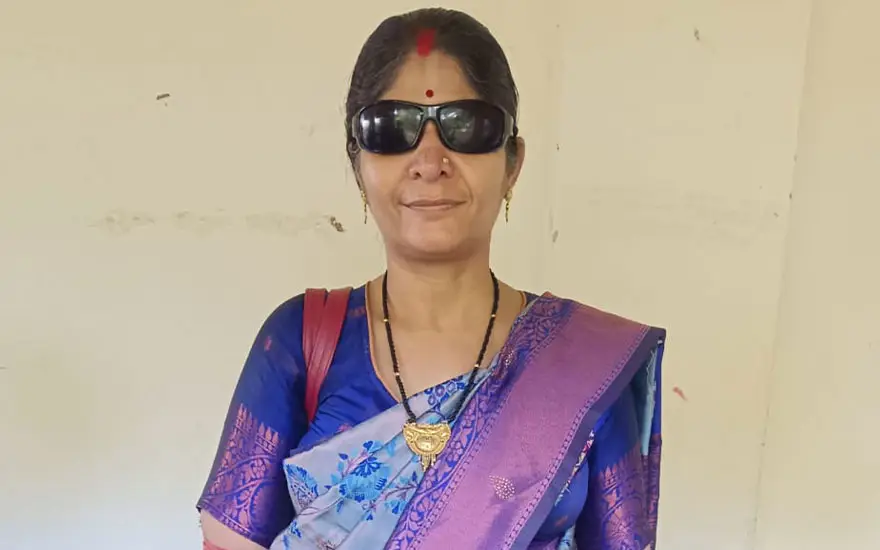
ଦୃଷ୍ଟିବାଧିତା ଅଧ୍ୟାପିକା-ସସ୍ମିତା ଅଧିକାରୀ, କେନ୍ଦ୍ରାପଡ଼ା ସ୍ୱୟଂଶାସିତ ମହାବିଦ୍ୟାଳୟ (ଓଡ଼ିଆ ବିଭାଗ )
୧ମ ପ୍ରଶ୍ନ : ଭାରତୀୟ ଇତିହାସରେ ପ୍ରଥମ ଥର ପାଇଁ ବିଚାରପତି ଭାବେ ଜଣେ ଶତ ପ୍ରତିଶତ ଦୃଷ୍ଟିବାଧିତା ଝିଅ ବିଚାରପତି ଭାବରେ ନିଯୁକ୍ତ ହୋଇଛନ୍ତି । ଏହା ଅନ୍ୟ ଦୃଷ୍ଟିବାଧିତା ମହିଳାମାନଙ୍କ ପାଇଁ କେତେ ଉତ୍ସାହପ୍ରଦ ହେବ ବୋଲି ଆପଣ ଆଶାବ୍ୟକ୍ତ କରୁଛନ୍ତି ?
ଉତ୍ତର : ଏହା ଆମମାନଙ୍କ ପାଇଁ ବହୁତ ଖୁସିର କଥା । ଅନ୍ୟ ସବୁକ୍ଷେତ୍ରରେ ଆମ ପଦ ସ୍ପର୍ଶ ରହିଥିଲେ ମଧ୍ୟ ଜଣେ ବିଚାରପତି ଭଳି ସମ୍ମାନଯୋଗ୍ୟ ପଦବୀରେ ନିଯୁକ୍ତି ହେବା ପୁଣି ଶତପ୍ରତିଶତ ଦୃଷ୍ଟିବାଧିତା,ଏହା ନିଶ୍ଚୟ ଆମମାନଙ୍କ ପାଇଁ ଗୌରବ ଏବଂ ପ୍ରେରଣାର ଉତ୍ସ ।
୨ୟ ପ୍ରଶ୍ନ : ଶତପ୍ରତିଶତ ଦୃଷ୍ଟିବାଧିତା ଥାଇ ବିଚାରପତି ପଦବୀ ପରି ଏକ ଦାୟିତ୍ୱପୂର୍ଣ୍ଣ ଆସନରେ ସେ ଅବସ୍ଥାପିତ ହେବେ । କିପରି ସେ ତାଙ୍କର ଦାୟିତ୍ୱ ନିର୍ବାହନ କରିପାରିବେ ବୋଲି ଭାବୁଛନ୍ତି ?
ଉତ୍ତର : ନିଶ୍ଚିତ ଭାବରେ ସେ ନିଜର ଦାୟିତ୍ୱ ସୁଚାରୁରୂପେ ନିର୍ବାହନ କରିପାରିବେ,ଏଥିରେ ତିଳେ ମାତ୍ର ସନ୍ଦେହ ନାହିଁ । କାରଣ,ସେ ତାଙ୍କର ବିଚାର ବା ଚିନ୍ତନ ଶକ୍ତି ଉପରେ କାର୍ଯ୍ୟକରିବେ,ଯାହା ମସ୍ତିଷ୍କଦ୍ୱାରା କାର୍ଯ୍ୟକ୍ଷମ ହୋଇଥାଏ | ସେ ଜଣେ ଦୃଷ୍ଟିବାଧିତା ହୋଇଛନ୍ତି ସତ,ମାତ୍ର ବିଚାରଗତ ଭାବେ ସେ ଦୃଷ୍ଟିବାଧିତା ହେବେନି । ଏହି ମର୍ଯ୍ୟାଦାପୂର୍ଣ୍ଣ ପଦବୀ ପାଇଁ ସେ ସମ୍ପୂର୍ଣ୍ଣ ଯୋଗ୍ୟ ଅଟନ୍ତି ।
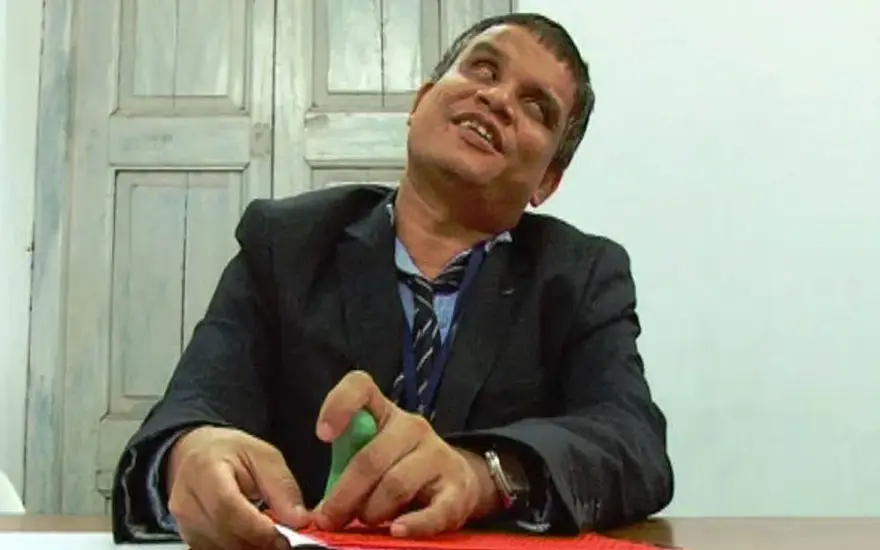
ସନ୍ୟାସ କୁମାର ବେହେରା, ପ୍ରଥମ ଦୃଷ୍ଟିବାଧିତ ଓଡିଶା ପ୍ରଶାସନିକ ସେବାର ବରିଷ୍ଠ ଅଧିକାରୀ ତଥା ସମ୍ପ୍ରତି ରାଜ୍ୟ ସାମାଜିକ ସୁରକ୍ଷା ଓ ଭିନ୍ନକ୍ଷମ ସଶକ୍ତିକରଣ ବିଭାଗର ଉପ-ଶାସନ ସଚିବ ଏବଂ ଅଖିଳ ଭାରତୀୟ ଦୃଷ୍ଟିହୀନ ପରିସଙ୍ଘର ଜାତୀୟ କାର୍ଯ୍ୟକାରୀ ପରିଷଦ ସଦସ୍ୟ ।
୧ମ ପ୍ରଶ୍ନ : ଅଦ୍ୟାବଧି ଯାହା ଆମର ଦୃଷ୍ଟିଗୋଚର ହୋଇଛି,କେବଳ ଦୃଷ୍ଟିବାଧିତ ପ୍ରାର୍ଥୀମାନେ ଶିକ୍ଷା ଓ ପ୍ରଶାସନ କ୍ଷେତ୍ରରେ ସଫଳତା ଲାଭ କରିପାରିଛନ୍ତି । କିନ୍ତୁ ପ୍ରଥମ ଥର ପାଇଁ ଜଣେ ଶତପ୍ରତିଶତ ଦୃଷ୍ଟିବାଧିତା ଝିଅ ବିଚାରପତି ଭାବେ ଅଭିଷିକ୍ତ ହୋଇ ଅନ୍ୟମାନଙ୍କ ପାଇଁ ଏକ ନୂତନ ଦିଗନ୍ତ ସୃଷ୍ଟି କରିପାରିଛନ୍ତି । ଏହା ଉପରେ ଆପଣଙ୍କ ମତ କଣ ?
ଉତ୍ତର : ତାଙ୍କୁ ମୋର ଶୁଭେଚ୍ଛା । ପ୍ରକୃତରେ ଏହା ବହୁ ପୂର୍ଵରୁ ସମ୍ଭବ ହେବାର ଥିଲା । ଅତୀତର ଆଇନାକୁ ଦେଖିଲେ ଜଣାଯାଏ,ଯଥା ୧୯୫୩ ମସିହାରେ ସାଧନ ଗୁପ୍ତା ପ୍ରଥମ ଥର ଲାଗି ଜଣେ ସାଂସଦ ହୋଇଥିଲେ । ସନ୍ତୋଷ କୁମାର ଭଟ୍ଟ ଜଣେ ଦୃଷ୍ଟିବାଧିତ ହୋଇ ମଧ୍ୟ ଭାରତର ସର୍ବୋଚ୍ଚ ନ୍ୟାୟାଳୟରେ ବରିଷ୍ଠ ଆଇନଜୀବି ଭାବେ କାର୍ଯ୍ୟରତ,ଅନୁରୂପ ଭାବେ ପଙ୍କଜ ସିନ୍ହା,ବରିଷ୍ଠ ଆଇନଜୀବି ଭାବେ କୁଷ୍ଠରୋଗୀମାନଙ୍କୁ ସମାଜର ମୁଖ୍ୟସ୍ରୋତରେ ସାମିଲ ତଥା ନ୍ୟାୟୋଚିତ ଅଧିକାର ପାଇଁ ଲଢ଼ି ଭାରତବର୍ଷରେ ଖ୍ୟାତ ହୋଇପାରିଥିଲେ । ଏସବୁ ସାମଗ୍ରିକ ଭାବରେ ଦୃଷ୍ଟିଗୋଚର କଲେ ଜ୍ଞାନର ପରିସୀମାରେ ଦୃଷ୍ଟିବାଧିତମାନେ କୌଣସି କ୍ଷେତ୍ରରେ ପଛରେ ନାହାନ୍ତି । କିନ୍ତୁ ସେମାନଙ୍କ ପ୍ରତି ଯେଉଁ ଭ୍ରମାତ୍ମକ ଧାରଣା ଓ ନକାରାତ୍ମକ ଚିନ୍ତାଧାରା ଅଛି, ସେସବୁକୁ ବଦଳାଇପାରିଲେ ମାନବସମ୍ବଳ ଗଠନରେ ସାମିଲ ହୋଇ ବିକଶିତ ଭାରତରେ ନିଜକୁ ଆହୂତି ପ୍ରଦାନ କରିପାରିବେ ।
୨ୟ ପ୍ରଶ୍ନ : ୨୦୧୧ ମସିହା ଜନଗଣନା ଅନୁଯାୟୀ ଭାରତରେ ଆନୁମାନିକ ୩,୪୬,୦୦୦ ଦୃଷ୍ଟିବାଧିତ ଲୋକ ଅଛନ୍ତି,ସେଥିରୁ ପ୍ରାୟ ୧,୧୬,୦୦୦ ମହିଳା ଅଟନ୍ତି । ବିଶେଷ କରି ଓଡିଶାରେ ଦିବ୍ୟାଙ୍ଗ ଦୃଷ୍ଟିବାଧିତା ମହିଳାମାନଙ୍କ ପାଇଁ ସେମାନଙ୍କର ଶିକ୍ଷାଗତ ଓ ବ୍ୟବସ୍ଥାଗତ ତାଲିମ୍ ତଥା ଉଚ୍ଚ ଶିକ୍ଷା କ୍ଷେତ୍ରରେ ବ୍ରେଲ୍ ଶିକ୍ଷା ପଦ୍ଧତି ମାଧ୍ୟମ ସୁଯୋଗର ଘୋର ଅଭାବ ରହିଛି । ଯାହା ଫଳରେ ସେମାନେ ସାମାଜିକ ଗଣମାଧ୍ୟମରେ ଉପଲବ୍ଧ ୟୁ ଟ୍ୟୁବ୍ ଅଡିଓ ଉପରେ ଅଧିକ ନିର୍ଭରଶୀଳ ହୋଇ ପଡୁଛନ୍ତି । ଏହି ପୃଷ୍ଠଭୂମିରେ ଥାନ୍ୟା ନାଥନଙ୍କ ସଫଳତାର କାହାଣୀ ସେମାନଙ୍କର ସ୍ୱପ୍ନକୁ ସାକାର ତଥା କିପରି ଓଡ଼ିଆ ଦିବ୍ୟାଙ୍ଗ ଭଉଣୀମାନଙ୍କୁ ପ୍ରେରିତ କରିବ ଓ କ’ଣ କ’ଣ ସେମାନଙ୍କ ପାଇଁ ଆହ୍ୱାନ ରହିବ ?
ଉତ୍ତର : ଆପଣ ନିକଟ ଅତୀତରେ ଜାଣିଛନ୍ତି ଭାରତୀୟ ପ୍ରଶାସନିକ ସେବା କ୍ଷେତ୍ରରେ ଓଡ଼ିଶାର ଜଣେ ବହୁବିଧ ଦିବ୍ୟାଙ୍ଗ ଝିଅ ସାଇସ୍ତା ପରୱିନ୍ ଚୂଡାନ୍ତ ତାଲିକାରେ ନାମ ପ୍ରକାଶ ପାଇଛି । ସେହିପରି ଓଡ଼ିଶା ପ୍ରଶାସନିକ ସେବା କ୍ଷେତ୍ରରେ ସୁକାନ୍ତି ଦାସ, ସସ୍ମିତା ଜେନା, ତପସ୍ୱିନୀ ଦାସ ଭଳି ଝିଅମାନେ ଓଡ଼ିଶାରେ ସଫଳତାର ସହ କାର୍ଯ୍ୟକରି ଆସୁଛନ୍ତି। ସେହିପରି ଓଡ଼ିଶାର ଶିକ୍ଷା କ୍ଷେତ୍ରରେ ସୁଶ୍ରୀ ବିଜୟଲଷ୍ମୀ ପାଲ୍,ଯିଏ ଶତ ପ୍ରତିଶତ ଦୃଷ୍ଟିବାଧିତା ହୋଇ ମଧ୍ୟ ପଞ୍ଚସଖା ସେତୁର ଉପ ନିର୍ଦ୍ଧେଶିକା ଭାବେ କାର୍ଯ୍ୟ କରିଆସୁଛନ୍ତି । ଏସବୁକୁ ଦେଖିଲେ ତାଙ୍କ ଜୀବନରେ ଅନେକ ପ୍ରତିକୂଳ ପରିସ୍ଥିତି ରହିଥିଲେ ହେଁ ସେମାନେ ଉତ୍କର୍ଷତା ଲାଭ କରିଛନ୍ତି । କିନ୍ତୁ ଯୁକ୍ତରାଷ୍ଟ୍ର ଆମେରିକା ସହ ତୁଳନା କଲେ ଆମ ଦେଶରେ ଦିବ୍ୟାଙ୍ଗ ବା ବିଶେଷକରି ଦୃଷ୍ଟିବାଧକମାନଙ୍କ ପାଇଁ ସେତେ ସମ୍ବେଦନଶୀଳତା ପରିଲ୍ଲଖିତ ହେବାର ମନେ ହେଉନାହିଁ । କାରଣ ସେଠାରେ ପ୍ରକାଶିତ ହେଉଥିବା ୱାସିଂଟନ ପୋଷ୍ଟ ଆଦି ଖବର କାଗଜ ଗୁଡିକ ବ୍ରେଲ୍ ଲିପିରେ ମୁଦ୍ରିତ ହୋଇଥିବାବେଳେ ଓଡିଶା ସରକାର ଏଥିପ୍ରତି ସକାରାତ୍ମକ ଦୃଷ୍ଟିଭଙ୍ଗି ଦେଇ ଉତ୍କଳ ପ୍ରସଙ୍ଗ ଭଳି ସରକାରୀ ପତ୍ରିକା,ବ୍ରେଲ୍ ଲାଇବ୍ରେରୀ ତଥା ମାସିକ,ତ୍ରୟୋମାସିକ ବା ବାର୍ଷିକ ପତ୍ରିକାଗୁଡିକ ବ୍ରେଲ୍ ଲିପିରେ ମୁଦ୍ରଣ କରିବାକୁ ପ୍ରୋତ୍ସାହନ କଲେ ଦୃଷ୍ଟିବାଧିତ ଦିବ୍ୟାଙ୍ଗମାନଙ୍କ ଜ୍ଞାନ ଓ ପାଠ୍ୟ ପ୍ରତି ଆଗ୍ରହ ବୃଦ୍ଧି ପାଆନ୍ତା ।
ପ୍ରଶ୍ନ ୩:- ଆପଣ ଓଡିଶା ସାମାଜିକ ବିଭାଗର ଗୋଟିଏ ଉଚ୍ଚ ପଦରେ ଅଛନ୍ତି ଏବଂ ରାଜ୍ୟ ଦିବ୍ୟାଙ୍ଗମାନଙ୍କର ସଶକ୍ତିକରଣ ଓ ସମାଜର ମୁଖ୍ୟସ୍ରୋତରେ ପହଞ୍ଚିବା ନିମନ୍ତେ ଯାହା ଯାହା ଆଇନ ବା ଯୋଜନା ପ୍ରଣୟନ ହେଉଛି,ସେଥିରେ ଆପଣଙ୍କର ଗୁରୁତ୍ୱପୂର୍ଣ୍ଣ ଭୂମିକା ରହୁଛି । ଦୃଷ୍ଟିବାଧିତମାନଙ୍କ ପାଇଁ ଓଡିଶାର ଶିକ୍ଷା ବ୍ୟବସ୍ଥାରେ ବ୍ରେଲ୍ର ସହଯୋଗ ଯଦି ରୁହନ୍ତା, ବିଦ୍ୟାଳୟର ପାଠ୍ୟସୂଚୀ, ପ୍ରତିଯୋଗିତାମୂଳକ ପରୀକ୍ଷାର ପାଠ ଆଦିରେ ବ୍ରେଲ୍ର ବ୍ୟବସ୍ଥା ରହିଲେ ସାଧାରଣ ବର୍ଗଙ୍କ ପରି ଆହୁରି ଦକ୍ଷତା ପ୍ରକାଶ କରି ପାରନ୍ତେ ଦୃଷ୍ଟିବାଧିତ । ତେବେ ସରକାର ବ୍ରେଲ୍ ଲିପିର ଶିକ୍ଷା ପାଇଁ କେଉଁ କେଉଁ ସମ୍ବେଦନମୂଳକ ପ୍ରୟାସ କରିଛନ୍ତି ବା ଆଗକୁ କ’ଣ ରହିବ ?
ଉତ୍ତର – ପ୍ରତିଯୋଗିତାମୂଳକ ପରୀକ୍ଷା ପାଇଁ ବ୍ରେଲ୍ରେ କରେଣ୍ଟ ଆଫାୟାର୍ସ, ଓଡ଼ିଆ ବ୍ୟାକରଣ, ଅନ୍ୟାନ୍ୟ ବହିପତ୍ର ପ୍ରସ୍ତୁତ କରିବା ପାଇଁ ରାଜ୍ୟ ସାମାଜିକ ସୁରକ୍ଷା ତରଫରୁ ବ୍ରେଲ୍ ପ୍ରେସ, ବ୍ରହ୍ମପୁରକୁ ନିର୍ଦ୍ଧେଶ ଦେଇଛନ୍ତି । ତାହା ବହୁତ ଶୀଘ୍ର କାର୍ଯ୍ୟକାରୀ ହେବ ।
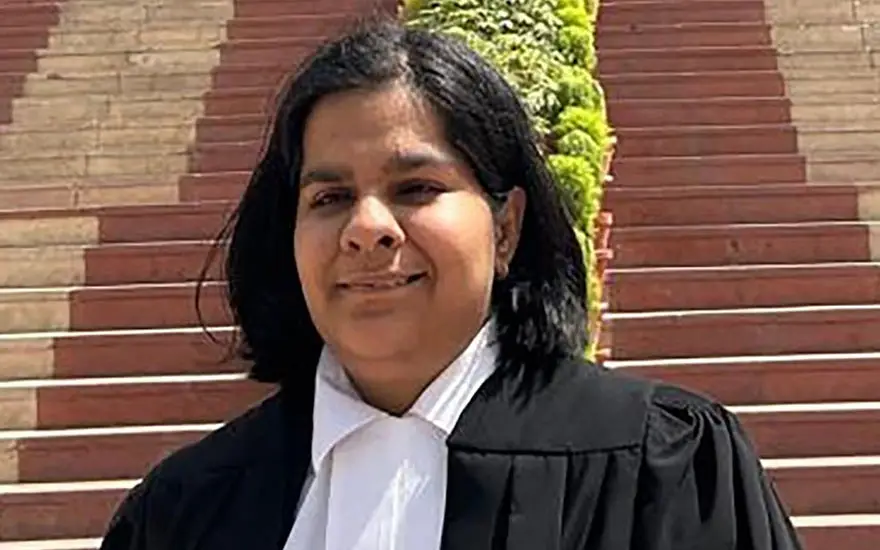
An Interview with Renowned Indian Lawyer and Disability Rights Activist Anchal Bhateja
Taking Thanya Nathan’s this historical step towards an inclusive society, when we telephonically connect with Anchal Bhateja, who is a renowned Indian lawyer and disability rights activist. She made history in June 2025 as the first blind woman to argue a case before the Supreme Court of India. Anchal Bhateja despite losing her vision due to retinopathy of prematurity, she excelled academically and graduated from NLSIU Bengaluru. She articulated this achievement of Thanya as extraordinary and also the epitome of human resilence.
1. How would you see the success story of Tanaya Nathan, the first women visually challenged Judge of Kerala and its message to the society?
Ans: I mean, right from the Charter of Rights up till Constitution that we see and the jurisprudence that has evolved around equality, we’ve had enough of conversations around how women should get more representation and women with disabilities should get more representation. First is an intrinsic value that this achievement serves and it’s a huge, huge achievement. And second is the instrumental value that this achievement serves, which is that if a person like Tanaya is on the bench, she would pass judgments which are sensitive to gender and disability and we really need judges like that. So, it also changes the institution from inside. And once the institution changes from inside, given we’ve seen only one Chief Justice that Justice Nagarathna is going to be soon, it is very unfortunate that in the past 75 years of the Supreme Court, being there only one woman has reached there. So, it is a very positive step in that direction that you have a more sensitive institution overall that is able to create more sensitive jurisprudence and law for the marginalized communities. So, this is my idea and this is the value of Thalia Nathan reaching where she has reached.
2. Is her story only limited to draw the outer surface of an inclusive society or more than that?
Ans: It’s not about the success of the society, I think it’s her own contribution also, but actually the society is getting better with time, law is getting better with time, we’re trying to create preconditions for people to reach there, but eventually it is their own individual struggle that they do to reach a particular point. These are women with disabilities, the gender and disability setbacks that she faces by virtue of how the society is designed. She may have, again, a difficulty, relative difficulty in accessing materials for preparation and then the gender aspect added to it, it becomes harder. We see that women get less access to education and they’re considered less than men. So when both these disabilities come together, it is absolutely a more difficult mountain to climb and she has successfully climbed that and it’s a huge signal not just for how the society is progressing from a point where we couldn’t even imagine a woman with disability to reach a bench to a point that there’s rights of a person with disability that we talk about equal education all the time, we talk about reservations for persons with disabilities under Section 34. That’s one part of it; the society is progressing. But a larger part is also that her individual resilience which makes it happen because despite best of policies and laws, individuals have to be resilient on their own to make the best of them. That’s one part.
3. How do you see the future performance of a visually challenged woman Judge in the context of a heavy case loaded Judicial backdrop?
Ans: See, it is a misconception that law is unreachable for certain sections, right? It’s how knowledge is shaped over time because men had access to it first. They would design it in a way that it is more accessible for them. Like law is purely in English. It’s not accessible to somebody who just knows any non-English or regional language. That’s how law is presumed to be, but I think again, with personal resilience and effort, one can learn that language and navigate the system. I’m not at all claiming that the system is easy to navigate. We have a very heavily visual-oriented system, right from how the bench rises, the display boards, running from one court to the other. All of this is ideal for only an able-bodied person to do, but with time, things are changing. We have more access to assistive technology. Courts are getting better. They are implementing more optic solutions to accessibility issues that disabled lawyers are facing. There are accessibility committees across high courts, and it is getting better with time. So I mean, as far as the profession is challenging, I think women with disabilities are, on one hand, going to these elite institutions and doing their law. They know the language of the law. They know how to navigate these systems. They’re more resilient than ever before. They have more access than ever before. And on the other hand, the system is also trying to catch up. So in that balance between the system catching up and the individuals catching up, women with disabilities catching up, we’ll definitely reach a point where law will not at all be unachievable for women with disabilities. The goal is that cases like Thanya Nathan are not headlines. We all, I think, want a situation where it is no longer a headline. It is so normal and it’s so usual and it is so frequent that we start thinking of it as being something very, like, normal and not out of the world or extraordinary. Like, absolutely her resilience is extraordinary, but at the same time, it should not be treated as a one-off incident. It should be more frequent. We should see more women with disabilities on the bench. And that is the ideal point that all of us would like to reach.