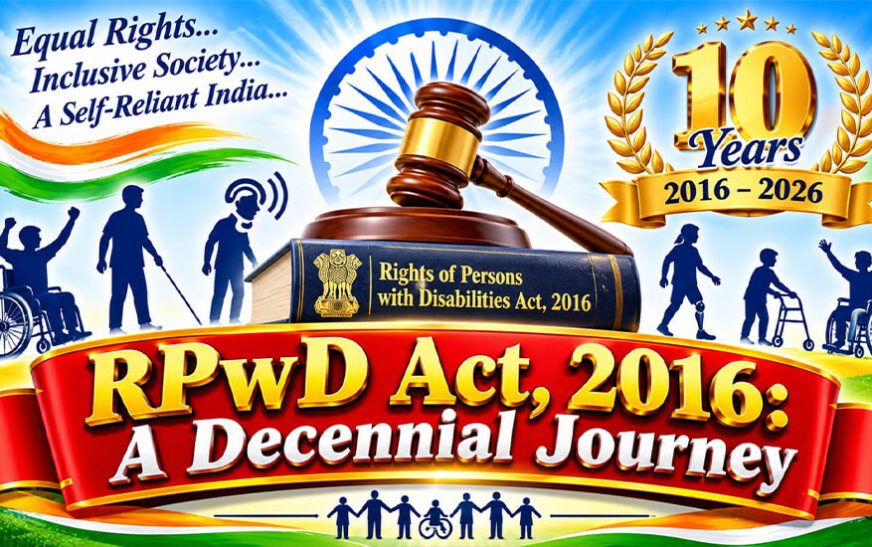
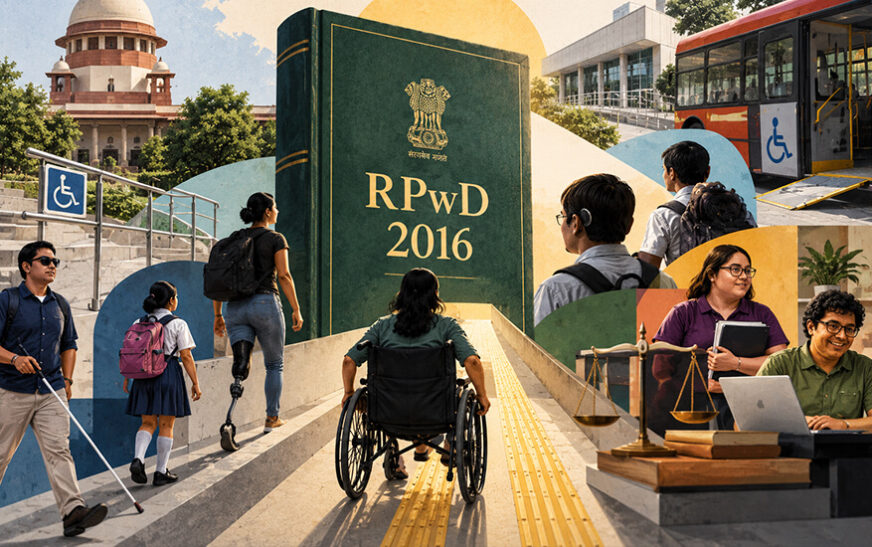
Born in the year 2016, the RPD Act is of ten years now. For a child of 10 years, the journey is not long to predict anything specific, but it is surely indicative enough for a bright future.
Unlike its predecessor, the 2016 Act represents a major shift in India’s legal framework, moving from a charity and medical welfare model to a comprehensive, right based approach aligned with the United Convention on Rights of Persons with Disabilities (UNCRPD).
Not only in its approach, but the new Act also had some other profound changes in the number of categories of disabilities (21), Reservation in jobs and Higher education, Accessibility, Penalties with specific focus on women & children with disabilities. All these changes render it to be “Complete Act” which pervades almost the entire life of a PwD.
Agreeably a decade is not sufficient for a community/nation for complete realisation of the above changes, which the Act provides. For a community largely remaining invisible in its presence, bringing or ushering all these changes and counting achievements is like setting an unrealistic standard. Perhaps that is why the glaring/profound non-achievements overweigh the subtle achievements for most of the sections of population.
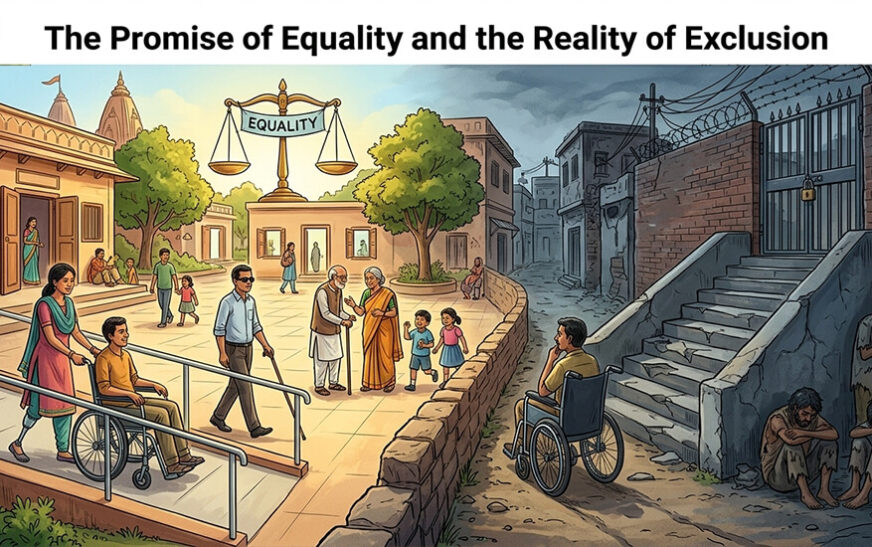
The progress in realisation of the goals, it has set, may be slow, but very distinctive in the sense that it has given the invisible PwD community a solid presence. Now he/she can know about him/herself and his/her rights and has the will power and voice to raise for those rights. The prophecy of charity has given its way to right, not only in the paper but also in the field. The Act has certainly enabled them (PwDs) not to stop at the bare minimum or to give up asking for their right. Rather they have started to bargain for equity. In my opinion this is the silver line, the major achievement. Undoubtedly, we can look back on this journey with pride on this count. But this is half of the story.
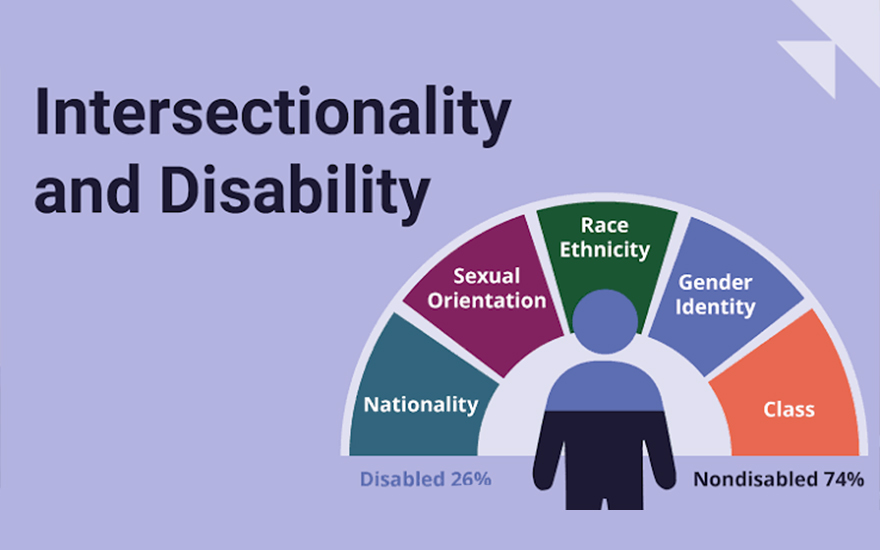
If one divides the mankind based on “ability” one will find two categories, both persons with disabilities and the able-bodied persons. Hence PwDs are not alien to the society rather they are a part in whatever minority you may put them and that minority group is undoubtedly the most vulnerable group in the society. That is why every provision of the Act mandates for complete inclusion of the PwDs in the society leading to their mainstreaming and ensuring a life full of equality and dignity.
The above is a subject of “progressive realisation” and depends on mental inclination of the society towards social companionship of PwDs into it. This is the second part of the story. The Act gives its focus on accessibility in every sphere, but what remains underline is that a PwD need the access to life- access to society- in all its facets. But accessibility is not an aspirational programme, rather it is mandatory. There is a two-way communication, if a person with disability strives/asks for something to others, the society must extend a hand of help and understanding. The ten-year journey had given the PwDs to voice for their rights and entitlements.
Unfortunately, the society at large has the least response or reciprocation towards this from their side. This failure is not intentional but due to lack of awareness of general public, workers, officials about the Act in specific and the PwDs in general. This gap must be filled up by governance and administration.
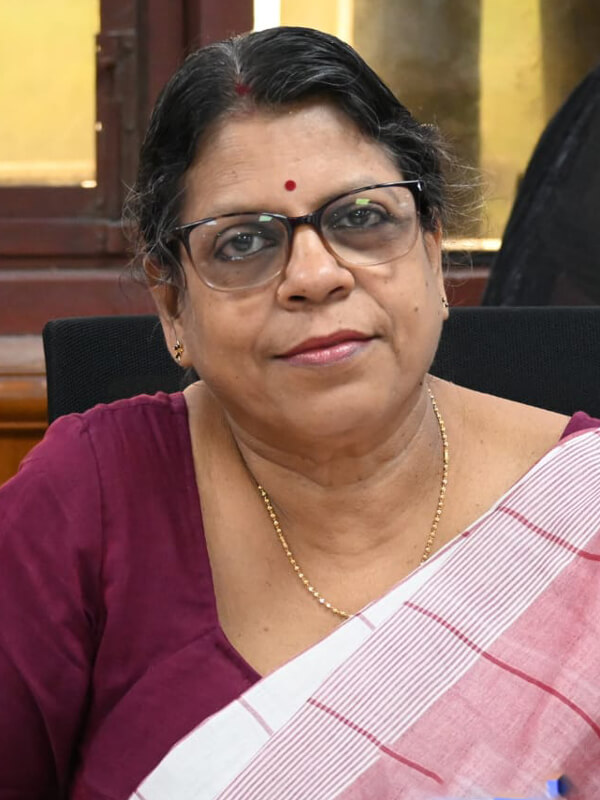
During the course of meeting with different service cadres of officers as SCPD what I realised that most of them are unaware of the Act. So, the subject of the Act or PwD has remained confined to only the Social Welfare Department of any Govt, rather than spreading over to all other departments, overlooking the fact that a person with disability can be a subject of any department and those need to work for him. So, the road ahead for Government is that disability inclusion should be and must be an integral part of every policy decision, and all the programmes should be seen from the lens of disability.
Another important point that requires attention is thinking about the welfare of “caregivers” alongside to the cause of PwDs. Though the Act has made some provisions for caregivers, most of the governments are yet to realize the same in the field.
Let us not forget that the “process ” involved in any journey are much more important than the destination, aimed at. It gives the journey a definite direction. If the process has no clarity, the outcome will not be consistent. This decade long journey has certainly taught us to be sure enough about the rightful process we follow to achieve the goals.
The next decade should figure out all these so that today’s child becomes a strong young man.